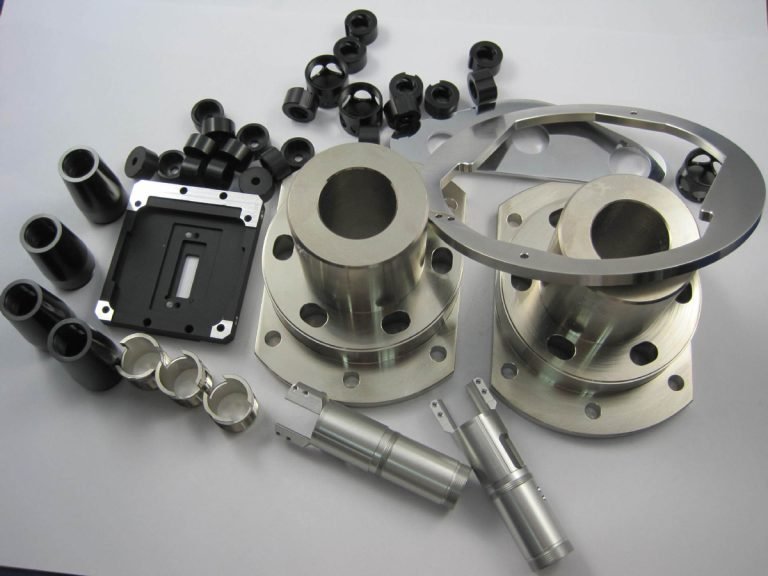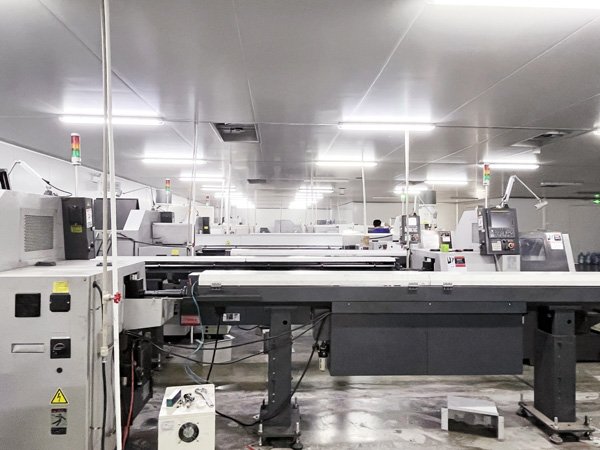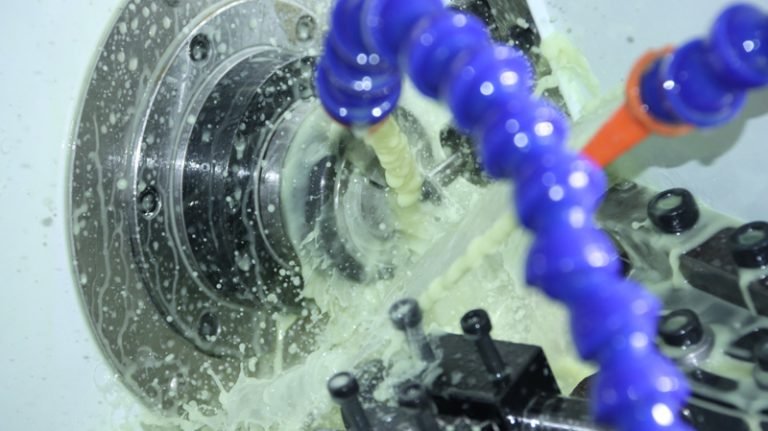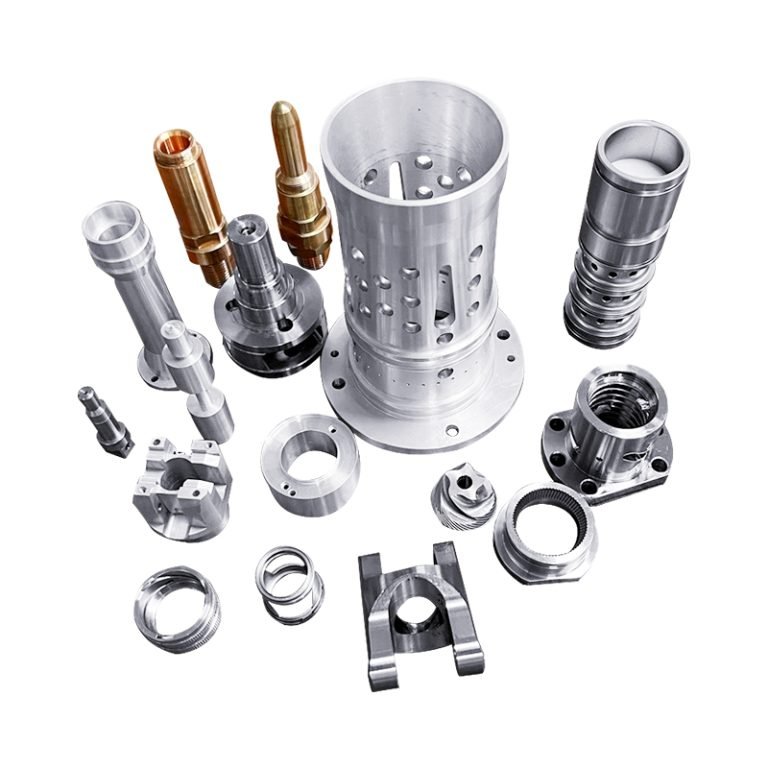
Auto parts machining mainly refers to cylinder blocks, cylinder heads, crankshafts, camshafts, connecting rods, etc. Most of the machine tools required to process these parts are high-efficiency, high-performance, high-reliability CNC machine tools or special CNC machine tools. Auto parts are the core functional parts of the car. The current automobile users’ demands for diversified and individualized automobiles force automobile companies to update products faster. CNC machining is often used for complex designs, small products and parts. With CNC machine tools, various parts can be machined more precisely. Various engines, electronic control systems, motor chambers, rotating shafts, gearboxes, gears, hubs, brake drums, mechanical shafts, threads, etc. on the car, most of the spare parts are processed by CNC .
With the rapid development of the automobile industry, high-efficiency, high-precision, and high-stability machining of complex main parts of automobiles is an effective way to shorten product production cycles and improve enterprise efficiency and competitiveness. CNC machining technology enables rapid prototyping and manufacturing of complex automotive parts. At the same time, virtual manufacturing technology, flexible production technology and numerical control technology integrated manufacturing technology are widely used in modern automobile manufacturing. The intelligent development of CNC manufacturing technology in the manufacturing process of auto parts will become the development trend of the automobile manufacturing industry.
CNC machining technology can realize the rapid prototyping of complex auto parts. Virtual manufacturing technology, flexible production technology and CNC technology integrated manufacturing technology are gradually being applied in modern automobiles. Widely used in manufacturing. The intelligent development of CNC system in the manufacturing process of auto parts will also become the inevitable development trend of modern automobile manufacturing industry.
The importance of CNC machining in the manufacture of auto parts
CNC operations today include 3- and 5-axis machining as well as turning with power tools. These functions more or less provide more ways to manipulate and manipulate materials in the machine, so not only can you trim curves instead of right angles, but they are often more complex and can produce good results. Not surprisingly, this has led to a wide range of applications, including some critical automotive parts.
Compared with manual work, CNC machining technology has realized the standardization and standardization of auto parts manufacturing, which has laid a foundation for improving the production quality and operating rate of domestic auto parts. CNC technology can provide a complete set of automation solutions for the manufacture of major auto parts. Receive machining data based on industrial Internet and big data monitoring and remote services during machining, perform virtual machining and program code inspection, use the machining status of the CNC system to perform automatic identification, self-learning and self-adaptive functions, self-optimization functions, and realize workpiece High-quality machining, the use of industrial robots and CNC machine tools for online batch inspection, the efficient and flexible machining of major automobiles and CNC in batch manufacturing, and the wide application of machine tool parts.
Current status of CNC custom machining in the automotive industry
Some companies, such as Porsche, have turned to custom CNC machining to produce equipment for rare, limited-edition vehicles, or vehicles that may not be available to owners or shops.
Traditionally, if one of the 52,000 different parts that make up Porsche Classic’s catalog is out of stock in warehouses, specific tools are required to make more. Custom CNC machining is not available. This process is more cost-effective than rebuilding factories to produce specific parts, and each part can be ordered within hours or days, reducing the amount of warehouse space required.
Porsche tested the movement by CNC machining and customizing a fully functional clutch release lever from a Porsche 959. The lever must pass the same tests as the original machined part, including a 3 ton pressure test. As part of the pilot program, the manufacturer plans to add 20 parts to its digital library, expanding as needed.
Custom car designs are limited to regular car owners. Drivers can choose interior and exterior colors and accessories, but the vehicle makes, model and looks the same as any other specific car on the road. Rolls-Royce is committed to custom-building fully bespoke vehicles using CNC machining for buyers on a larger budget.
This CNC machining customization skill is not technical. In fact, 30% to 40% of new Rolls-Royce drivers will choose a stock model from a dealer rather than order their own bespoke model. Giving you the option to create a custom vehicle, you can design everything from the frame and bodywork to the interior entertainment console. That could expand the luxury car industry in ways manufacturers never expected.
Prospects for the development trend of CNC system in the future
Faced with the demand for high-quality, high-efficiency, and integrated intelligent manufacturing of multi-degree-of-freedom complex parts, the future CNC system will develop in the direction of multi-degree-of-freedom compound machining. Turn, mill and drill on multiple surfaces in one installation. Multi-process compound machining. In addition, the CNC system must have more advanced trajectory planning and motor control strategies to achieve high-speed, high-precision machining.
With the development trend of intelligent manufacturing, the CNC system must be equipped with a highly intelligent human-machine interface to realize the planning function of the machining technology and the diagnosis and adaptive control strategy of the machining process. Future CNC systems will provide comprehensive self-monitoring and control throughout the machine tool manufacturing process. The CNC system can automatically plan the installation location, machining trajectory and machine tool according to the 3D model of the part. Planning time is the shortest process step possible using Ethernet and Internet technologies to enable machine communication and collaboration within the factory. Robot communication realizes automatic loading and unloading, loading and unloading, etc., and realizes automatic and intelligent rapid prototyping of major complex parts.