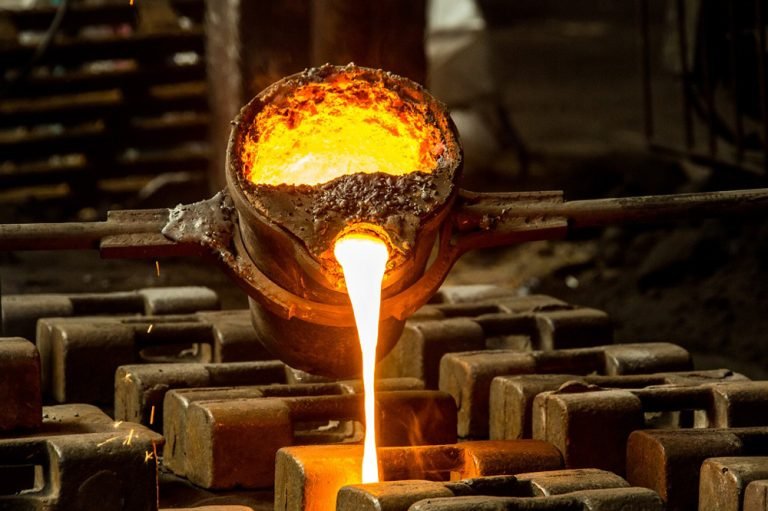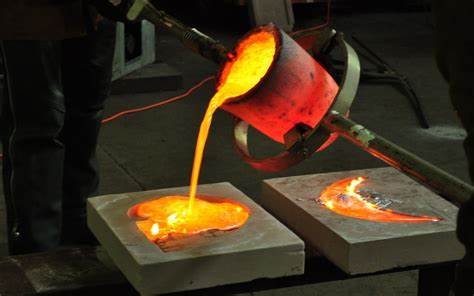
Injection molding is a molding method of injection and molding. The advantages of the injection molding method are fast production speed, high efficiency, automatic operation, various designs and colors, simple to complex shapes, large to small sizes, accurate product sizes, easy replacement of products, and complex shapes. Parts, injection molding is suitable for mass production and complex shape products and other molding processing fields. At a certain temperature, the completely molten plastic material is stirred by a screw, injected into the mold cavity with high pressure, and cooled and solidified to obtain a molded product. This method is suitable for mass production of parts with complex shapes and is one of the important processing methods.
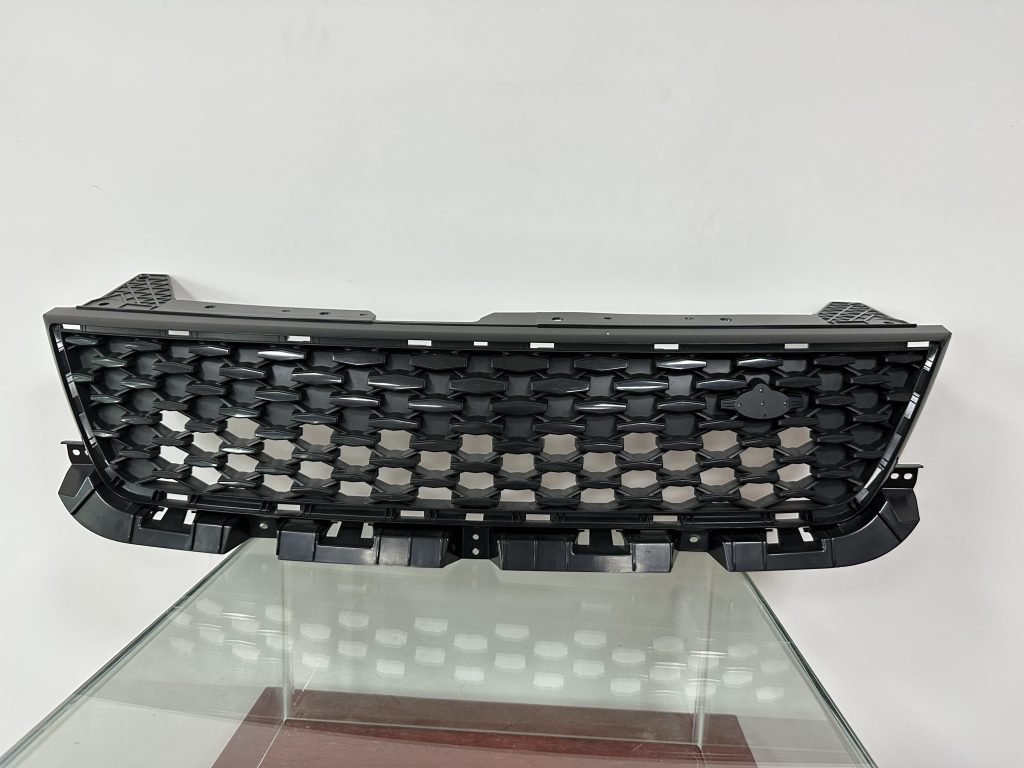
The injection molding process can be roughly divided into the following six stages:
Mold closing, glue injection, pressure holding, cooling, mold opening, and product removal.
The above process is carried out repeatedly, and the products can be produced periodically in batches. The molding of thermosetting plastics and rubber also includes the same process, but the temperature of the barrel is lower than that of thermoplastics, and the injection pressure is higher. The mold is heated. After the material is injected, it needs to be cured or vulcanized in the mold, and then released while it is hot. .
The trend of today’s processing technology is developing in the direction of high-tech, these technologies include: micro-injection molding, high-fill composite injection molding, water-assisted injection molding, mixed use of various special injection molding processes, foam injection molding, mold technology, simulation technology, etc.
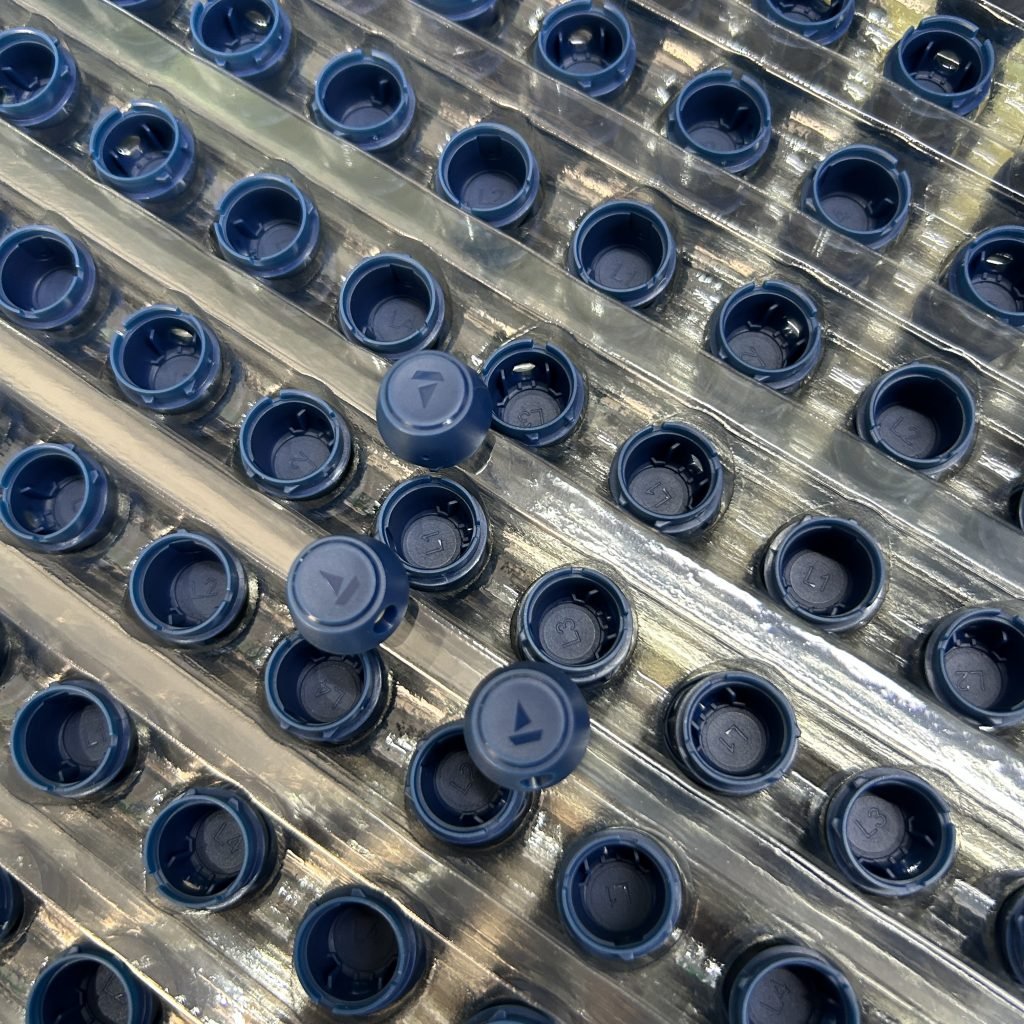
injection molding process
temperature control
1. Barrel temperature: The temperature that needs to be controlled in the injection molding process includes barrel temperature, nozzle temperature and mold temperature. The first two temperatures mainly affect the plasticization and flow of plastics, while the latter temperature mainly affects the flow and cooling of plastics. Each plastic has a different flow temperature. The same plastic has different flow temperature and decomposition temperature due to different sources or grades. This is due to the difference in average molecular weight and molecular weight distribution. Plastics in different types of injection The plasticizing process in the machine is also different, so the selection of barrel temperature is also different.
2. Nozzle temperature: The nozzle temperature is usually slightly lower than the maximum temperature of the barrel, which is to prevent the “salivation phenomenon” that may occur in the straight-through nozzle. The temperature of the nozzle should not be too low, otherwise it will cause premature solidification of the molten material and block the nozzle, or affect the performance of the product due to the injection of early solidification material into the cavity.
3. Mold temperature: The mold temperature has a great influence on the internal performance and apparent quality of the product. The temperature of the mold depends on the presence or absence of plastic crystallinity, the size and structure of the product, performance requirements, and other process conditions (melt temperature, injection speed and pressure, molding cycle, etc.).
Pressure control
The pressure in the injection molding process includes plasticizing pressure and injection pressure, and directly affects the plasticizing of plastics and product quality.
1. Plasticizing pressure: (back pressure) When a screw injection machine is used, the pressure on the molten material at the top of the screw when the screw rotates and retreats is called plasticizing pressure, also known as back pressure. The size of this pressure can be adjusted through the relief valve in the hydraulic system. In injection, the size of the plasticizing pressure needs to be changed with the design of the screw, the requirements of the product quality and the type of plastic. If these conditions and the speed of the screw are unchanged, increasing the plasticizing pressure will strengthen the shearing. The effect is to increase the temperature of the melt, but it will reduce the efficiency of plasticization, increase the counterflow and leakage, and increase the driving power.
In addition, increasing the plasticizing pressure can often make the temperature of the melt uniform, the color material can be mixed uniformly and the gas in the melt can be discharged. In general operation, the decision of plasticizing pressure should be as low as possible under the premise of ensuring good product quality. The specific value varies with the type of plastic used, but usually rarely exceeds 20 kg/cm2.
2. Injection pressure: In the current production, the injection pressure of almost all injection machines is based on the impact of the top of the plunger or screw on the plastic.
The applied pressure (converted from the oil circuit pressure) shall prevail. The role of injection pressure in injection molding is to overcome the flow resistance of plastic from the barrel to the cavity, to give the melt filling rate and to compact the melt.
Molding cycle
The time required to complete an injection molding process is called the molding cycle, also known as the molding cycle. It actually includes the following parts: Molding cycle: Molding cycle directly affects labor productivity and equipment utilization. Therefore, in the production process, each relevant time in the molding cycle should be shortened as much as possible under the premise of ensuring quality. In the entire molding cycle, the injection time and cooling time are the most important, and they have a decisive influence on the quality of the product. The filling time in the injection time is directly inversely proportional to the filling rate, and the filling time in production is generally about 3-5 seconds. The pressure holding time in the injection time is the pressure time on the plastic in the cavity, which accounts for a relatively large proportion in the entire injection time, generally about 20-120 seconds (for extra thick parts, it can be as high as 5-10 minutes). Before the molten material at the gate is frozen, the holding time will affect the dimensional accuracy of the product, but it will have no effect if it is later. The holding time also has a sweet spot, which is known to depend on the material temperature, mold temperature, and the size of the sprue and gate. If the size of the sprue and the gate and the process conditions are normal, usually the pressure value with the smallest shrinkage fluctuation range of the product shall prevail. The cooling time is mainly determined by the thickness of the product, the thermal properties and crystallization properties of the plastic, and the mold temperature. The end of the cooling time should be based on the principle of ensuring that the product does not change when it is demolded. The cooling time is generally between 30 and 120 seconds. If the cooling time is too long, it is not necessary, which will not only reduce production efficiency, but also affect complex parts. It causes difficulty in demoulding, and even demoulding stress will be generated when demoulding is forced. The other time in the molding cycle is related to whether the production process is continuous and automatic and the degree of continuous and automatic.
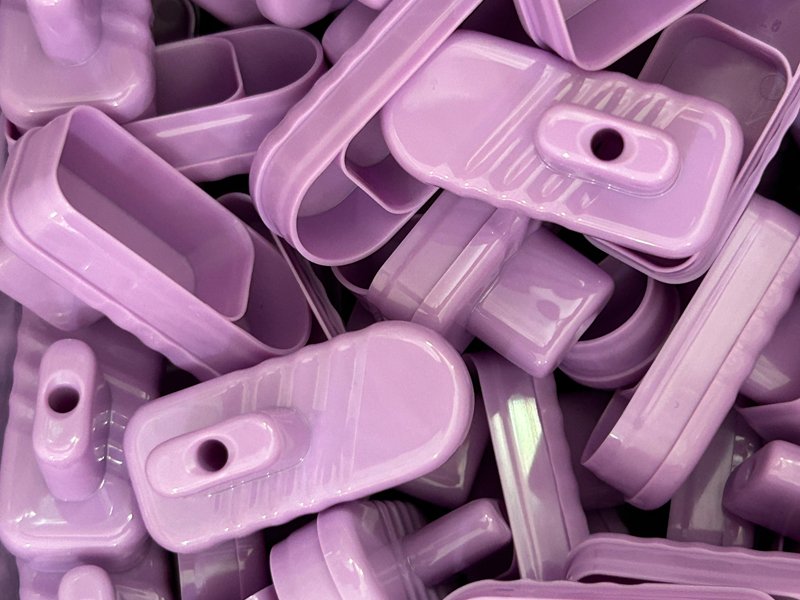
parameter
1. Injection pressure
The injection pressure is provided by the hydraulic system of the injection molding system. The pressure of the hydraulic cylinder is transmitted to the plastic melt through the screw of the injection molding machine. Under the push of the pressure, the plastic melt enters the vertical channel of the mold through the nozzle of the injection molding machine (for some molds, it is also the main channel), the main channel, and the shunt. Road, and through the gate into the mold cavity, this process is the injection molding process, or called the filling process. The existence of pressure is to overcome the resistance in the flow process of the melt, or conversely, the resistance in the flow process needs to be offset by the pressure of the injection molding machine to ensure the smooth progress of the filling process.
During the injection molding process, the pressure at the nozzle of the injection molding machine is the highest to overcome the flow resistance throughout the melt. Afterwards, the pressure gradually decreases along the flow length to the wave front of the front of the melt. If the cavity is well exhausted, the final pressure at the front of the melt is atmospheric pressure.
There are many factors affecting the filling pressure of the melt, which can be summarized into three categories: (1) Material factors, such as the type and viscosity of plastics, etc.; (2) Structural factors, such as the type, number and position of the gating system, the cavity shape of the mold and the shape of the product. Thickness, etc.; (3) Forming process elements.
2. Injection time
The injection molding time mentioned here refers to the time required for the plastic melt to fill the cavity, excluding auxiliary time such as mold opening and closing. Although the injection time is very short and has little impact on the molding cycle, the adjustment of the injection time has a great effect on the pressure control of the gate, runner and cavity. Reasonable injection time is conducive to the ideal filling of the melt, and it is very important to improve the surface quality of the product and reduce the dimensional tolerance.
The injection molding time is much lower than the cooling time, about 1/10 to 1/15 of the cooling time. This rule can be used as the basis for predicting the entire molding time of plastic parts. When doing mold flow analysis, only when the melt is completely driven by the screw rotation to fill the cavity, the injection time in the analysis results is equal to the injection time set in the process conditions. If the pressure switch of the screw occurs before the cavity is full, the analysis result will be greater than the setting of the process condition.
3. Injection temperature
Injection temperature is an important factor affecting injection pressure. The barrel of the injection molding machine has 5 to 6 heating sections, and each raw material has its suitable processing temperature (for detailed processing temperature, please refer to the data provided by the material supplier). The injection molding temperature must be controlled within a certain range. If the temperature is too low, the plasticization of the molten material will be poor, which will affect the quality of the molded parts and increase the difficulty of the process; if the temperature is too high, the raw materials will easily decompose. In the actual injection molding process, the injection temperature is often higher than the barrel temperature, and the higher value is related to the injection rate and the performance of the material, up to 30°C. This is due to the high heat generated by the shearing of the melt through the gate. There are two ways to compensate for this difference when doing mold flow analysis. One is to try to measure the temperature of the melt when it is injected into the air, and the other is to include the nozzle when modeling.
4. Holding pressure and time
At the end of the injection molding process, the screw stops rotating and just advances, and the injection molding enters the pressure holding stage. During the pressure holding process, the nozzle of the injection molding machine continuously replenishes the cavity to fill the volume vacated due to the shrinkage of the part. If the pressure is not maintained after the cavity is filled, the part will shrink by about 25%, especially the ribs will form shrinkage marks due to excessive shrinkage. The holding pressure is generally about 85% of the maximum filling pressure, of course it should be determined according to the actual situation.
5. Back pressure
Back pressure refers to the pressure that needs to be overcome when the screw reverses and backs up the storage. The use of high back pressure is conducive to the dispersion of colorants and the melting of plastics, but at the same time it prolongs the retraction time of the screw, reduces the length of plastic fibers, and increases the pressure of the injection molding machine. Therefore, the back pressure should be lower, generally no more than injection molding 20% of the pressure. When injecting foam, the back pressure should be higher than the pressure formed by the gas, otherwise the screw will be pushed out of the barrel. Some injection molding machines can program the back pressure to compensate for the reduction in screw length during melting, which reduces the heat input and lowers the temperature. However, because the result of this change is difficult to estimate, it is not easy to make corresponding adjustments to the machine.
defect resolution
Injection molding process is a complex process involving many factors such as mold design, mold manufacturing, raw material characteristics and raw material pretreatment methods, molding process, injection molding machine operation, etc., and is closely related to processing environmental conditions, product cooling time, and post-processing technology. Manufacturing processes. Therefore, the quality of the product is not only determined by the injection accuracy and measurement accuracy of the injection molding machine, or it is only determined by the quality of the mold design and the precision level of the mold processing. Usually, it is also affected by other factors mentioned above and restrict.
Under the constraints of so many composite factors, the appearance of defects in injection molded products is inevitable. Therefore, it is necessary to seek the internal mechanism of defects and predict the position and type of defects that may occur in products, and use them to guide mold design and improvement, and generalize defects. It is particularly important to establish the law of production and formulate more reasonable process operating conditions. We will explain the mechanism and solutions of injection molding defects from three main factors that affect the plastic material properties, mold structure, injection molding process and injection molding equipment during the injection molding process.