As the foundation of the automotive industry, there are a wide variety of automobile components. From a production process perspective, they include casting, forging, stamping, and injection molding components. Among these, automotive forged components, produced using forging processes, are typically used in environments that experience impact or alternating stress and play a crucial role while the vehicle is in motion.
(1) Basic Concepts of Forging
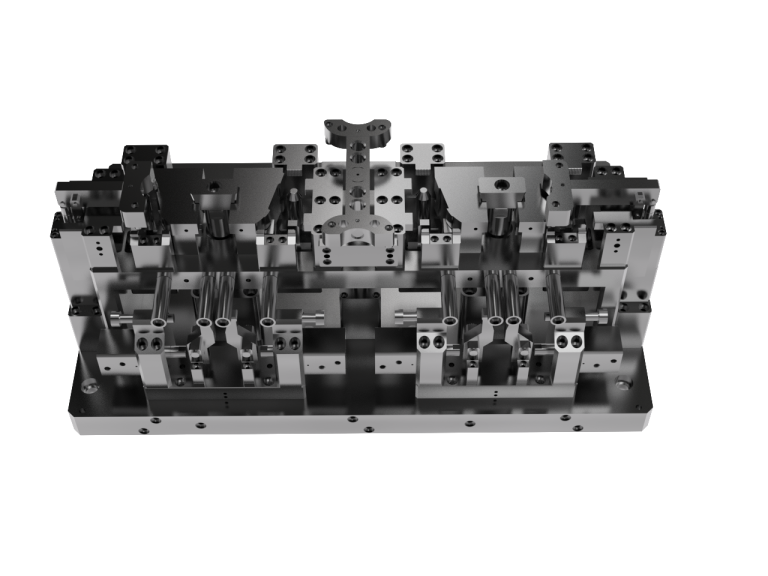
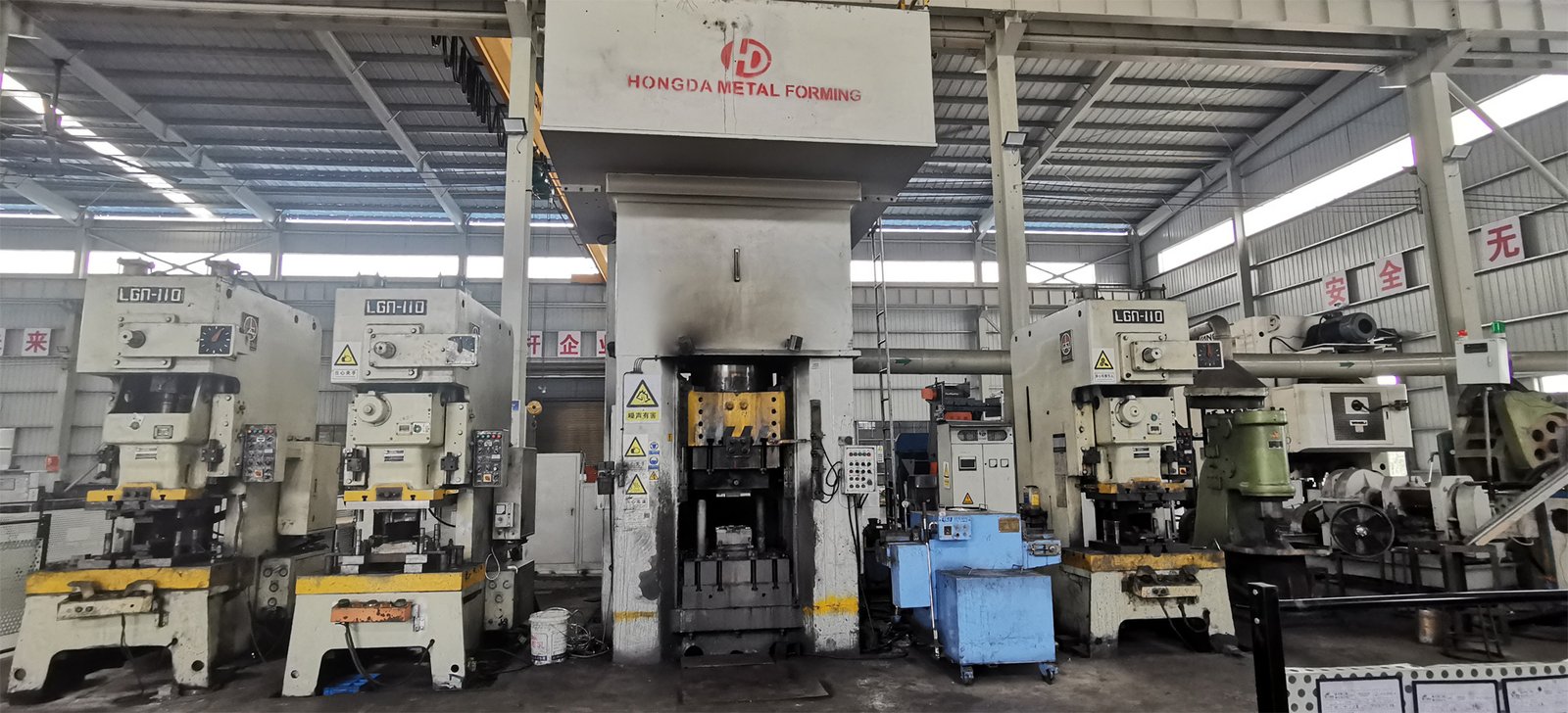
Forging is a processing technique where, under the influence of pressure equipment and tools (dies), raw materials or ingots undergo partial or complete plastic deformation to obtain components (or blanks) with specific geometric dimensions and shapes, thus improving their performance.
Forging essentially involves using the plastic deformation of metals to change the shape and properties of the raw material into qualified forged parts. The fundamental purpose is to apply external loads (impact loads or static loads) through forging equipment to induce plastic deformation in the raw material, thereby obtaining forged components with the desired shape and dimensions. Simultaneously, the mechanical properties and internal structure of the forged part are adjusted to meet specific technical requirements.
After undergoing forging processing, metal materials exhibit good dimensional stability, uniform microstructure, rational fiber orientation, and outstanding comprehensive mechanical properties. Main load-bearing structures or sub-structural components in mechanical equipment are generally produced through forging. Forged parts are widely used in various sectors of the national economy and defense industry.
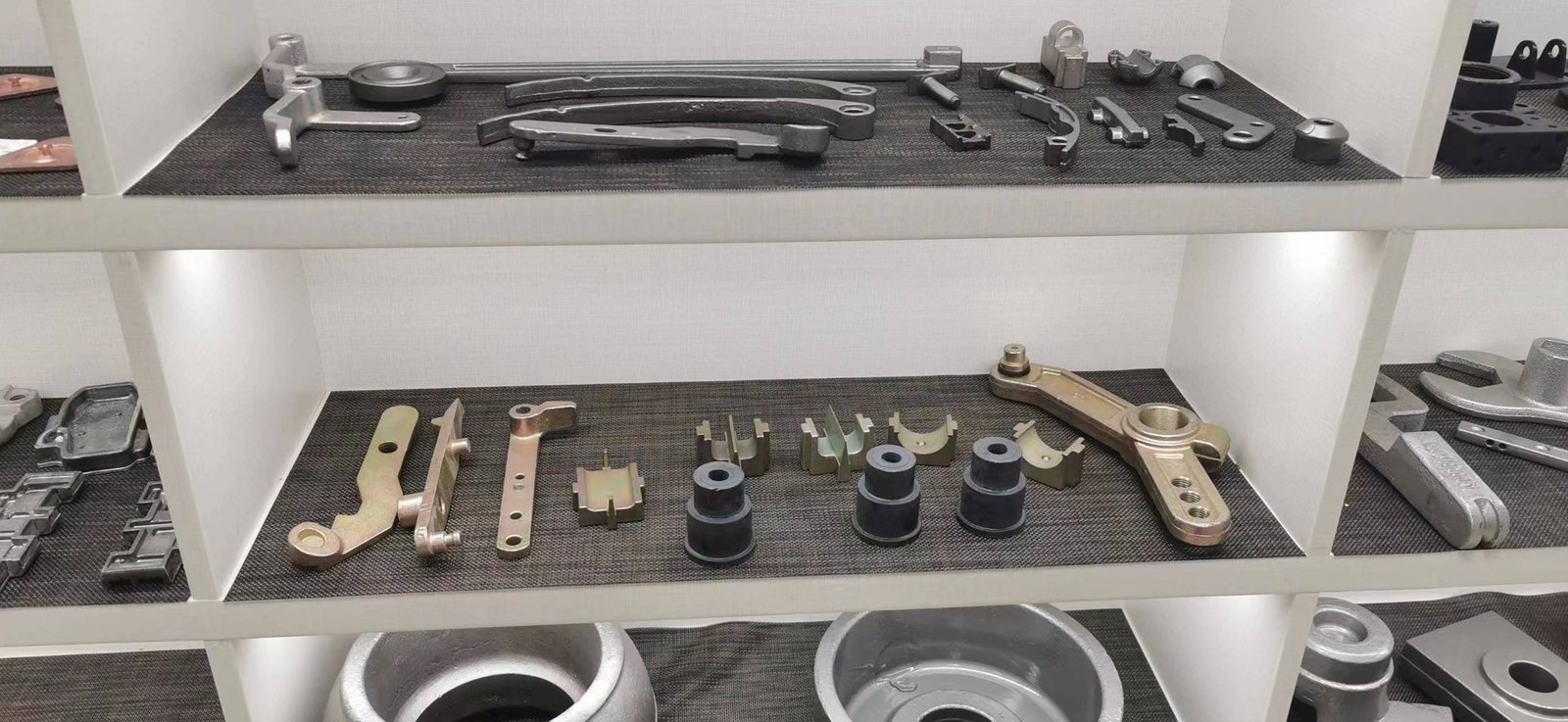
The primary raw materials for forging are metal bars and ingots. During their smelting, pouring, and solidification processes, these raw materials inevitably produce defects like porosity, shrinkage holes, dendritic crystals, etc. As a result, it is difficult to manufacture components capable of withstanding impact or alternating stress conditions using casting processes (e.g., hub bearings, transmission shafts, gears, connecting rods, ball joints, etc.). However, after undergoing forging processing, metal bars or ingots can be significantly improved in terms of their structure and properties. Plastic deformation and recrystallization of metals refine large grains, leading to a dense metal structure that enhances the mechanical properties of forged components. Proper control of the part’s stress direction and fiber orientation during mold design can also enhance the impact resistance of forged components.
(2) Classification of Forging Processes
Based on the size and shape of the forgings, the structure of the tooling and dies used, and the type of forging equipment employed, forging can be classified into free forging and die forging. Free forging involves using simple, general-purpose tools or directly applying force to the raw material between the upper and lower anvils of forging equipment to achieve the desired geometric shape and internal quality of the component. Free forging is primarily used for producing small-batch forgings and employs equipment like forging hammers and hydraulic presses. Die forging refers to deforming the metal stock within a specific-shaped die cavity to obtain the desired forged component. Die forging is commonly used for producing relatively larger quantities of components.
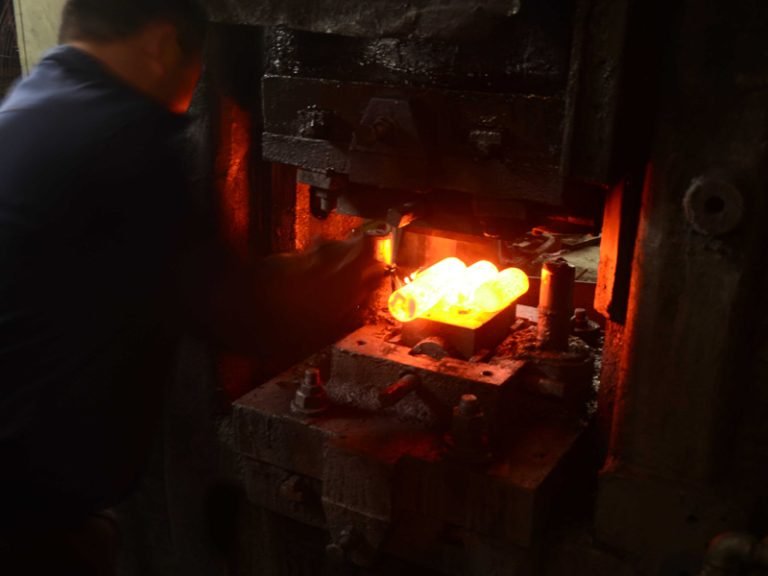
According to the temperature at which the forming occurs, forging can be categorized into hot forging, warm forging, and cold forging. Hot forging involves deforming the material above its recrystallization temperature using external force, causing plastic deformation. Warm forging refers to deforming the metal below its recrystallization temperature but above room temperature at a suitable temperature. Cold forging involves the pressure processing of metal materials at room temperature. Each of these forming processes has its own scope of application. Hot forging is mainly applied to produce components like hub and gear blanks, steering knuckles, ball joint rods, high-pressure common rails, crankshafts, connecting rods, etc. The forging process used by the company falls under the category of hot die forging.
(3) Key Features of Forging Processes
Forging processes offer advantages such as high production efficiency and strong comprehensive performance of the forged components. Consequently, these processes are widely used in critical and core components in fields like automotive and equipment manufacturing. The main features of forging processing include:
Specialized Equipment: Forging production lines require significant investment and have lengthy construction cycles. Given the characteristics of forging materials, forging equipment must possess high performance. Therefore, forging enterprises typically invest a considerable amount of money in purchasing specialized design software, high-precision CNC forging equipment, uniformly heating equipment, high-performance heat treatment equipment, CNC machining equipment, as well as complete physicochemical testing equipment to meet various production process and downstream customer requirements.
Complex Processing Techniques: The primary function of forged components is to withstand external forces or transmit torque, often necessitating special processing to meet performance requirements. The main production processes for forged products include material preparation, heating, forging, heat treatment, machining, physicochemical testing, and more. This production process involves various disciplines and fields such as metallurgy, metalworking, heat treatment, and mechanical design and manufacturing technologies, indicating a high degree of technical integration. Furthermore, forged products are typically characterized by diversity in type, specification, and customization. Different product structures vary significantly, requiring companies to employ a substantial number of specialized technical workers to accurately control various technical parameters during the production process to ensure product quality.
Advantages of Precision Forging in the Automobile Parts Industry
Because parts manufactured through forging processes exhibit high strength, good toughness, and are suitable for mass production, nearly 60% of the parts used in automobiles are produced through forging. In recent years, as automotive production has rapidly increased, major OEMs have focused on enhancing and integrating overall vehicle capacity, with component integration being part of the synchronized planning. In order to reduce the size of CVT transmissions and achieve lightweight requirements, JATCO of Japan combined gears and axles into a pulley using near-net-shape precision forging. This approach resulted in a more compact structure and a more environmentally friendly solution. More and more automotive manufacturers are pursuing lightweight designs and fuel efficiency. As a result, precision forging technology is replacing traditional cutting processes in new product development, providing opportunities for the development of precision forging.
From current practice, precision forging can lower the manufacturing cost of the entire supply chain, with savings generally exceeding 15%. Although the cost of forging increases after adopting precision forging processes, the reduction in machining costs significantly lowers the overall expenses. For instance, by integrating the manufacturing process of gears and shafts through precision forging, which replaces the separate processing of synchronous gears and main bodies, production costs can be reduced by around 25%. This represents a trend in the processing of automotive transmission gears.
Another key characteristic of precision forging is that manufacturing costs gradually decrease as production volume increases. This mainly stems from the advantages of mold forming processes, which offer high efficiency and consistency. While fixed costs may be high during production, production efficiency is also high. For parts produced in large quantities, achieving significant increases in production capacity requires only a minimal investment.
In order to enhance the competitive advantage of automotive components produced through forging processes, traditional automotive forging enterprises need to invest in research and development for precision forging, making its development essential.
Primary Forms of Development for Precision Forging
Precision forging refers to a process that produces near-net-shape forged parts with high surface quality and dimensional accuracy. Generally, traditional hot forging processes struggle to achieve near-net-shape components. To address this challenge, precision forging technology was developed through improvements in forging processes using principles from plasticity theory, materials science, and friction studies. Currently, precision forging technology has various classifications, typically based on forging temperature and forming methods.
Differentiation Based on Forging Temperature
Forging temperature can be categorized into cold forging, warm forging, and warm-cold composite forging.
(1) Cold forging is a process that involves forming steel at room temperature after undergoing processes such as acid cleaning, phosphating, and soaping. The precision of the forged components can reach levels between IT8 and IT11.
(2) Warm forging, in the industrial context, refers to a forging process conducted at temperatures above room temperature but below the final forging temperature for hot forging (between 1000°C and 1250°C). During this process, the thickness of the forged oxide layer is only about 10μm, and the precision achieved falls within the range of IT11 to IT14 levels.
(3) Warm forging (hot forging) – cold forging hybrid forming technique involves using warm forging methods to create semi-finished products that closely resemble the final product’s shape. After undergoing cleaning and lubrication treatments, the semi-finished product is further refined or shaped through cold forging. The precision of the final product’s refined portion reaches the level achieved through cold forging.
Differentiation Based on Forming Methods
During the development of traditional closed-die forging processes, enhancements have been made beyond conventional closed-die forging methods, including blocked forging and split forging. These advancements have broken away from the simple die structure of upper die, lower die, and ejector rod commonly used in traditional hot forging. Compared to traditional forging methods, these approaches possess several distinct features.
(1) Extrusion:
Extrusion is a forming method in which the workpiece is squeezed out from the cavity of the die due to non-uniform compressive stresses acting on it in three directions. This process results in a reduction in cross-sectional area and an increase in length, effectively shaping the workpiece. Extrusion is primarily used for cold extruding various splines, warm extruding various valve bodies, and hot extruding semi-axial sleeves.
(2) Blocked Forging:
Blocked forging involves using one or two opposing punches within a closed die to pressurize the metal and achieve a near-net-shape precision forged component with no flash. Blocked forging enables flashless forging, high material utilization, compact equipment tonnage, and high dimensional precision.
(3) Split Forging Technology:
The main principle of split forging technology involves establishing a material flow channel or split cavity in the semi-finished product or die cavity. During the forging process, while the cavity is being filled, part of the material flows into the split cavity or channel. The application of split forging technology enables the rapid industrial-scale production of high-precision gears with less or no cutting, primarily used in the cold forging forming of spur gears and helical gears.