In industrial metallurgy, stainless steel and alloy steel are two commonly used materials with different properties and applications. Although they look similar, they differ greatly in composition, properties and usage.
The only way to choose between the two steels is to understand their properties in relation to the project. The purpose of this paper is to elucidate the differences between stainless steel and alloy steel so that readers can have a comprehensive understanding of these two versatile materials.
What is Stainless Steel?
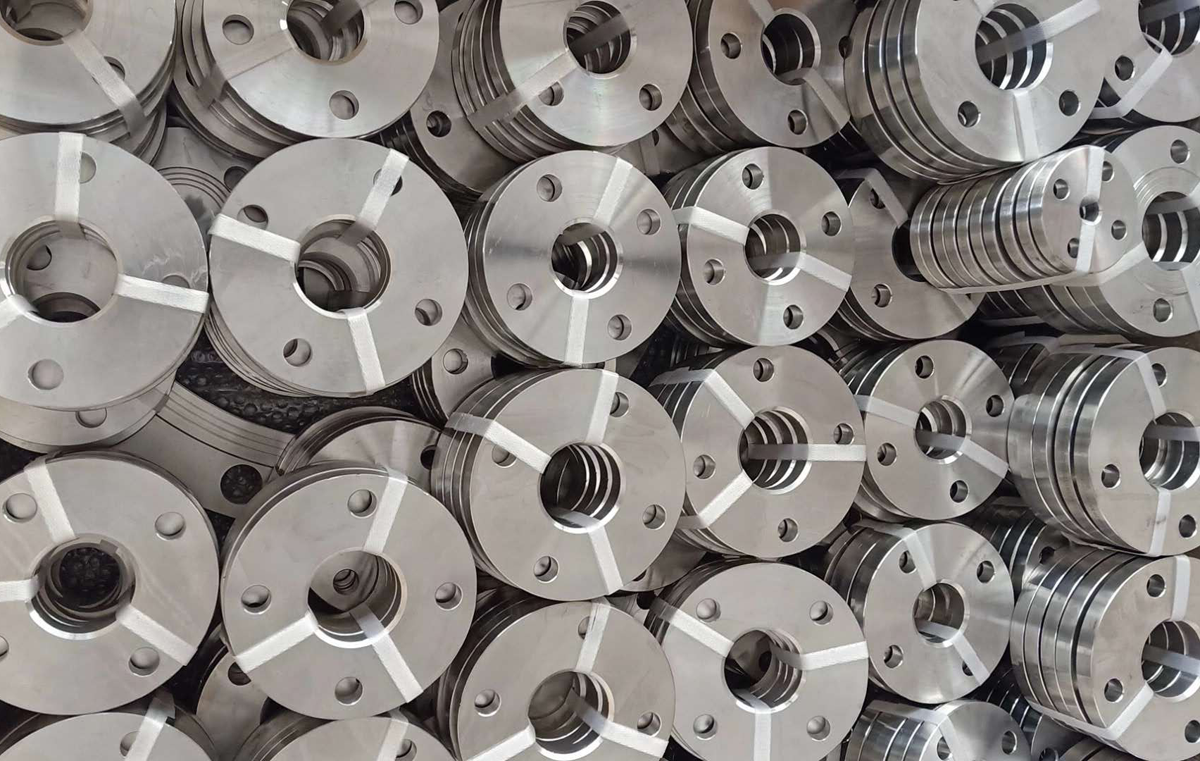
A steel alloy that is used in many industries due to its excellent corrosion resistance and durability. It consists primarily of iron with a chromium content of at least 10.5%. The addition of chromium forms a thin, invisible, protective oxide layer on the surface of the steel, known as a passive film. The passive film provides stainless steel with superior corrosion, stain and rust resistance, helping to protect the metal and make it self-repairing.
In addition to chromium, stainless steel can also contain other alloying elements such as nickel, molybdenum and titanium. These additional elements further enhance the properties of the material, including its strength, toughness and resistance to high temperatures.
The specific composition of stainless steel may vary depending on the desired properties and intended application.
Types of Stainless Steel
-
Austenitic Stainless Steels
Contains at least 16% chromium and 6% nickel (base grade 304 is 18% chromium, 8% nickel). It is widely used in chemical plants and food processing equipment because it will not easily corrode, rust or stain after contact with water.
-
Ferritic Stainless Steels
Contains chromium (usually between 11% and 27%) and little or no nickel. They are not as corrosion resistant as the austenitic grades, but are more iron-like and exhibit better mechanical properties at high temperatures.
-
Martensitic Stainless Steels
Contains chromium (14% to 18%) and a moderate amount of carbon (usually between 0.2% and 1.2%). They can be hardened and tempered like carbon steels.
-
Duplex Stainless Steels
Contains chromium (18% to 28%) and nickel (3.5% to 5.5%). They have better corrosion resistance than austenitic grades and are less likely to embrittle than martensitic grades due to their lower carbon content.
-
Precipitation Hardening Stainless Steels
Contains chromium (12-16%) and nickel (3-9%) as well as aluminum, copper and titanium to form precipitates. They can be heat treated, are very strong and highly ductile.
Properties of Stainless Steel
| Physical Properties | Chemical Properties |
|---|---|
|
Resistant to corrosion and staining |
Resistant to bases, acids, and also organic compounds |
|
Durable
|
Composed of iron, chromium, and carbon. Some varieties may include manganese, silicon, nickel, or other elements |
|
Easy to clean and maintain |
|
|
Non-magnetic |
|
|
High resistance to heat |
|
|
Electrically conductive |
What is alloy steel?
Alloy steel is a type of steel made by adding various alloying elements to iron during the steelmaking process. These alloying elements may include manganese, silicon, copper, nickel, chromium, molybdenum, vanadium, tungsten, and others. The added elements impart specific properties to the steel, such as increased strength, hardness, toughness, and resistance to wear, heat, and corrosion.
The composition of alloy steels varies considerably depending on the desired properties and intended application. The percentage of alloying elements added usually ranges from 1% to 50% or more.
This wide range of alloying elements and compositions allows for an extensive range of alloy steel grades with different properties.

Types of Alloy Steel
-
Low Alloy Steels
Contain small amounts of one or more alloy elements to improve strength, hardness, toughness or other properties. Examples of common alloy elements are: chromium, nickel, manganese and molybdenum. Low-alloy steels are typically used in equipment that requires a good strength-to-weight ratio, such as construction and mining equipment.
-
High Alloy Steels
Contains a large amount of one or more alloy elements to increase strength, hardness or toughness. Common alloy elements include: chromium, manganese, nickel, molybdenum and vanadium.
-
Tool Steels
Highly alloyed and particularly suitable for tool and die applications. Tool steels are designed to maintain their hardness and wear resistance at high temperatures.
-
Maraging Steels
Maraging steels are known for their superior strength and toughness. They are typically used in applications requiring high strength, such as aerospace and military applications.
Properties of Alloy Steel
| Physical Properties | Chemical Properties |
|---|---|
|
High strength-to-weight ratio. |
Contains high levels of chromium, molybdenum, and/or other alloying elements. |
|
Good corrosion resistance |
The higher levels of alloying elements often allow alloys to be heat-treated to a wide range of hardness levels. |
|
High strength and durability |
|
|
Resistance to wear |
|
|
Hardness at high temperatures |
Difference between alloy steel and stainless steel in properties
Stainless steel is widely known for its superior corrosion resistance, making it ideal for applications in wet, chemical or extreme temperature environments. It maintains its appearance and structural integrity even under harsh conditions.
Stainless steel is also known for its sanitary properties, making it suitable for use in the food and medical industries. In addition, stainless steel offers excellent formability, weldability and low maintenance requirements.
Alloy steels offer excellent strength and hardness for high stress applications such as structural components, automotive parts, machinery and tools. Their alloying elements enhance specific properties, enabling manufacturers to achieve desired characteristics such as increased toughness, improved heat resistance or enhanced wear resistance.
Alloy steels can withstand extreme temperatures and pressures, making them indispensable to the oil, gas, aerospace and power generation industries.
Other key differences between alloy steels and stainless steels are shown below:
| Parameters | Stainless Steel | Alloy Steel |
| Chemical Composition | Primarily iron and at least 10.5% chromium, may contain other alloying elements | Iron with various alloying elements such as manganese, silicon, copper, nickel, chromium, molybdenum, vanadium, etc. |
| Tensile Strength | Varies based on grade. The usual range of tensile strength is 515-827 Mpa. So tensile strength of alloy steel is comparatively lower than alloy steel. | Varies based on alloying elements and heat treatment. Generally, alloy steels have higher tensile strength as compared to stainless steel. The usual range is 758 to 1882 Mpa. |
| Hardness | The general hardness range for stainless steel is 150HB to 300HB | The usual hardness range for alloy steels is 200HB to 600HB. So, alloy steels are harder than stainless steels. |
| Ductility | Generally good | In general, alloy steels possess higher ductility than alloy steel materials. |
| Impact Resistance | Lower impact resistance due to low hardness. | Higher impact resistance due to higher hardness. |
| Fatigue Strength | Varies based on grade. Duplex Stainless steels have higher fatigue strength as compared to alloy steels but usual stainless steel has lower fatigue strength than alloy steel. | in general alloy steel have higher fatigue strength than stainless steel. |
| Corrosion Resistance | High | Varies based on alloying elements and coatings but is usually lower than stainless steel materials. |
| Durability | Excellent | Varies based on alloying elements and heat treatment |
| Weldability | Generally good | Alloy steel has lower weldability than stainless steel elements. |
| Machinability | Generally good | Alloy steels usually have better machinability than stainless steel. |
| Formability | Good | Varies based on alloying elements and heat treatment |
| Availability | Widely available | Wide range of options available |
| Versatility | Versatile applications in various industries | Wide range of applications across industries |
| Initial Cost | Generally moderate to high but varies depending on the stainless steel grade. The usual range is $800 to $2500 per ton. | Generally low to moderate. The approximate cost is $600 to $800 per ton. |
| Lifecycle Cost | Often lower due to its durability and corrosion resistance | Can vary based on maintenance and exposure to corrosive environments |
| Applications | Construction, automotive, food processing, medical, etc. | Automotive, aerospace, oil and gas, machinery, tooling, etc. |
| Maintenance | Generally low maintenance requirements | Can vary depending on the specific alloy and application |
| Advantages | Excellent corrosion resistance, hygienic, versatile | High strength, toughness, and wear resistance, tailored properties |
| Disadvantages | Higher initial cost, may lack the same strength as some alloy steels | Susceptible to corrosion in certain environments, may require protective coatings or treatments |
Pros and Cons of Alloy Steels Compared to Stainless Steels
Pros
- More resistant to wear than stainless steel.
- Alloy steel is easier to weld. Although stainless steel is weldable, the process is not as easy as other welds.
- Alloy steel is cheaper and easier to work with than standard stainless steel grades.
- Alloy steel is more durable than stainless steel.
Cons
- Alloy steel is less corrosion resistant than stainless steel. As a result, it requires a protective surface treatment after fabrication.
- Alloy steel is less strong at high temperatures.
- The surface finish of alloy steel is not as good as that of stainless steel.
Select the Right Steel for Your Project
The following factors should be considered in selecting the right steel material:
Functional Requirements
Corrosion resistance becomes important if the parts are used in the marine environment. For this reason, such parts should be made from stainless steel.
Another example is structural applications, such as construction, where robust alloy steels would be a better choice.
Budget
Alloy steel is cheaper than stainless steel, but quality should not be sacrificed for cost and it should be chosen wisely according to needs.
Maintenance and service life
For these two factors, stainless steel is the better choice. It requires little maintenance and it is self-repairing, so it has a long lifespan. In addition, it can be recycled.
…
Conclusion
While stainless steel and alloy steel have something in common, their compositions, properties and applications are quite different.
The corrosion resistance and sanitary properties of stainless steel make it suitable for applications that require durability and aesthetics. On the other hand, the multiple alloying elements of alloy steels provide enhanced mechanical properties that allow them to withstand high-stress environments.
Understanding the differences between these materials is critical to selecting the right material for a particular application, ensuring optimal performance and longevity.
Why CYCO
CYCO, a CNC machining specialist with over twenty years of experience, has advanced equipment and a professional team.
Whether you are looking for high quality steel or metal machining process, CYCO is confident to provide you with the best service and competitive price, you can have a worry-free experience by working with us.
We will regard your needs as our own, please feel free to contact us if needed!