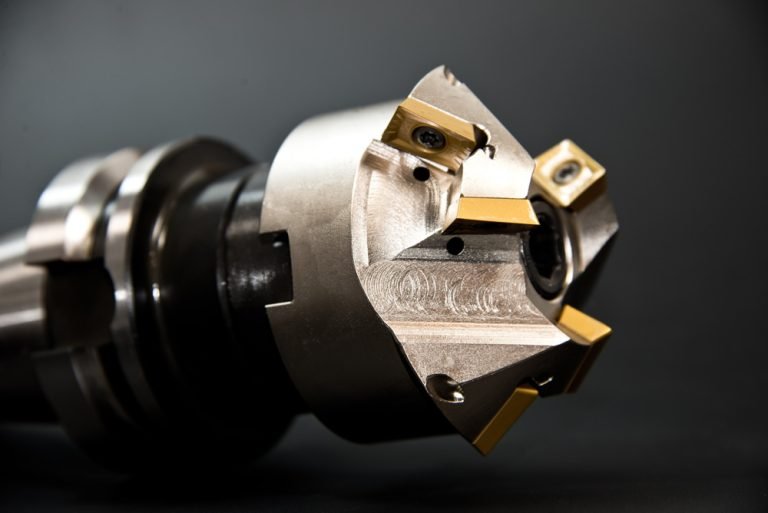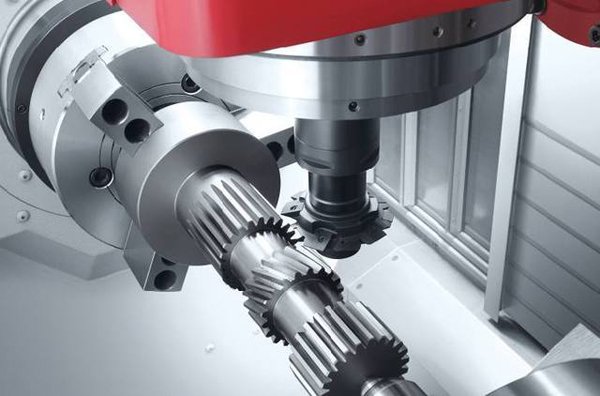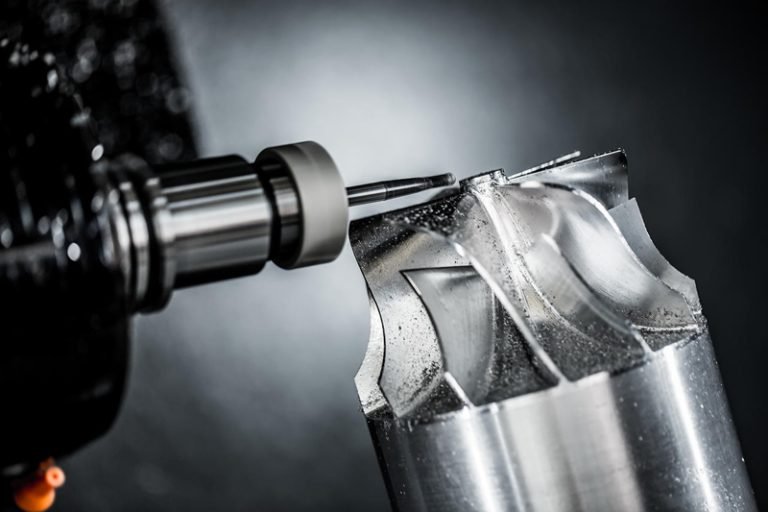
Die casting is a manufacturing process in which molten metal (such as aluminum, zinc, or magnesium alloys) is injected into a mold to form a desired part under high pressure. This process is a little bit similar to injection molding of plastics.
However, there are many factors that can affect the quality of a die cast product and cause some common defects. If these die casting defects are not addressed properly, they can affect the quality of the final product.
So, do you know what common die casting defects are? What causes the defects? And how to prevent these defects? In this article we will explore the main die casting defects, including the formation causes and solutions. Keep reading to get the information you need.
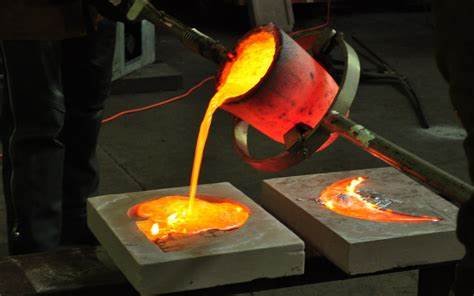
Defect 1: Flow marks
Streaks or ripples on the surface of the casting in the same direction as the flow of the molten metal, which are formed when the molten material is not completely fused during the flow process. These marks can usually be felt as slight depressions when touched.
Causes:
- Insufficient injection pressure: If the injection pressure is not high enough, the molten material may not fill the mold cavity completely, causing flow marks to form in the portion of the material that is not fully fused.
- Inadequate mold temperature: Improper mold temperature control may result in an uneven cooling rate on the part surface.
- Unsuitable pouring rate: Flow marks can be caused by either too high or too low a fill rate. Too high a fill rate can cause the metal liquid to impact the cavity walls, creating turbulence and fluctuations, while too low a rate can cause the metal liquid to solidify prematurely, creating discontinuous flow.
- Excessive melt viscosity: If the viscosity of the molten material is too high, it may prevent proper flow and fusion, resulting in flow marks.
- Poorly designed sprue: The location, shape and size of the sprue has a direct effect on the flow of the metal liquid.
- Influence of the mold release agent: The type and amount of mold release agent used may also affect the formation of flow marks.
- Rapid cooling: Cooling the molten material too quickly may cause it to solidify prematurely and form incomplete fusion marks.
- Lack of mold maintenance: Molds that have not been cleaned or serviced for a long period of time may result in an increase in surface roughness, which affects the flow of metal liquids.
Solution:
- Adjust the parameters of die-casting according to the nature of the molten material, such as injection pressure and pouring speed.
- Appropriately increase the preheating temperature of the mold to ensure that it is in the best working condition.
- Improve the filling state of metal liquid by adjusting the sprue design, which can reduce the appearance of flow marks.
- Choose the right mold release agent and control the dosage, which can avoid the occurrence of flow marks.
- Regular cleaning and maintenance of the mold can keep good working condition and reduce the risk of flow marks.
Defect 2: Porosity
Holes are formed due to the incomplete escape of gases from the molten metal. The presence of porosity may negatively affect the density, strength and appearance of the die-cast part.
Causes:
- Excessive gas content: If the gas content in the melt is too high, porosity may form during solidification. This may be related to the gas content of the raw material, melting and alloying processes.
- Insufficient melt temperature: A low melt temperature may result in incomplete escape of gases and the formation of porosity. It is important to ensure that the melt reaches the proper temperature to facilitate the escape of gas.
- Inadequate mold design: The design of the mold and the venting system may affect the efficiency of gas removal. Poor mold design can cause gas to be trapped in the castings, resulting in the formation of porosity.
- Poor alloy flow: This may result in inefficient removal of gases and consequently the formation of porosity. This can be related to factors such as injection rate, pressure and runner design.
- Improper coating or lubrication: Coating or lubrication of the mold surface may affect the melt flow, resulting in gas retention and the formation of porosity.
Solutions:
- Degassing the metal liquid prior to pouring will reduce the gas content and thus reduce the likelihood of porosity.
- Too high a pouring rate may cause the metal liquid to mix with air, increasing the solubility of the gas; while too low a rate may cause the metal liquid to solidify prematurely, preventing the gas from escaping in time. By adjusting the proper pouring rate, the formation of porosity can be controlled to a certain extent.
- Ensure that the mold is preheated to the proper temperature range, which will help to avoid the metal liquid cooling too quickly, so that the gas can better escape.
- Consider adding air vents, overflow slots or other venting devices to the mold design in order to help the gases escape during the filling of the metal liquid.
Defect 3: Blistering
Gases in the metal liquid do not escape completely and form bubbles after cooling and solidification, which can lead to small holes inside or on the surface of the casting. This can adversely affect the density, strength and appearance of the part.
Causes:
- Gas solubility: Gases in the melt dissolve at high temperatures, but during cooling and solidification, the gases may not escape completely, resulting in the formation of gas bubbles.
- Insufficient melt temperature: This may lead to premature solidification of the melt, which may prevent the gas from escaping and lead to bubble formation.
- Improper mold temperature: The melt may not be cooled uniformly, which may affect the escape of gases and lead to the formation of gas bubbles.
- Impurities in the alloy: If impurities are present in the alloy, these inclusions may act as a starting point for gas bubbles during solidification.
Solutions:
- Reduce the injection speed to help minimize gas entrapment.
- Optimize the composition of the alloy to reduce the amount of gas bubbles caused by impurities in the alloy.
- Ensure that the mold temperature is properly controlled to ensure that the alloy is cooled uniformly throughout the mold.
- Use an effective gas removal system to ensure that gas bubbles can escape efficiently.
Defect 4: Cracks
Linear or irregular gaps that appear on the surface or inside of the die casting and may expand under external forces. Cracks can affect the sealing and service life of the part.

Causes:
- Alloy composition: the alloy is too high in iron, too low in silicon or too high in harmful impurities. Uneven organization will reduce the plasticity of the alloy and increase the risk of cracking.
- Melt temperature: Cracks can occur at either too high or too low a melt temperature. Too high a melt temperature can lead to excessive thermal expansion of the metal, while too low a temperature can lead to shrinkage problems during solidification.
- Unsuitable cooling rates: Cracks can result from either too fast or too slow cooling rates. Rapid cooling may cause internal stresses, while too slow a cooling rate may result in coarse grains.
- Improper mold temperature: Cracks can be caused by either too high or too low a mold temperature. Too high a temperature may cause the metal liquid to cool too fast, while too low a temperature may cause increased shrinkage, both of which are prone to cracking.
- Improper post-treatment: Improper stress relief, annealing or other heat treatment operations after the casting has cooled may exacerbate the formation of cracks.
Solutions:
- Reduce the amount of impurities in the alloy and ensure uniformity of the alloy.
- Ensure proper mold temperature control and cooling system.
- Proper preheating of the casting will help reduce thermal stresses due to temperature differences, thus reducing the potential for cracking.
- Make sure that the castings are properly stress relieved, annealed, or otherwise heat treated after cooling to prevent crack propagation.
Defect 5: Deformation
The overall or local shape change of the casting after cooling and solidification, which will affect the accuracy, overall shape and assembly performance of the product.
Causes:
- Unreasonable mold design: If the design of the mold does not take into account such factors as shrinkage and stress distribution of the casting, it may lead to localized stress concentration of the casting during the cooling process, increasing the risk of deformation.
- Residual stresses: During the die casting process, the molten metal undergoes shrinkage during cooling and solidification, which may cause residual stresses. If these stresses cannot be properly released, they may lead to deformation of the part.
- Illogical ejection method: This may cause the casting to be exposed to uneven forces during the demolding process, which may result in deformation.
- Improper mold temperature: Mold temperature is critical for cooling and solidification during the die casting process. Improper mold temperature control may result in uneven shrinkage of the part, which may cause distortion.
- Poor flow of metal liquid: If the metal liquid encounters obstacles in the process of filling the mold, it may lead to uneven deformation of the part shape.
- Alloy composition: Uneven composition in the alloy may result in different shrinkage rates in different sections, thus causing distortion.
Solutions:
- Control the injection parameters to ensure uniformity of the metal during flow and solidification.
- Ensure proper cooling system design and fluidity for uniform cooling.
- Use proper mold design to reduce the possibility of stress concentration.
- Adopt proper ejection method so that the casting is subjected to uniform force during demolding, thus reducing the risk of deformation.
Defect 6: Chap / Reticulated Cracks
Reticulated bumps or depressions on the surface of the casting, often occurring in heat-sensitive areas of the material. As the die casting time increases, the mesh cracks extend.
Causes:
- Thermal stress: Molten metal undergoes a temperature gradient during solidification, which induces thermal stress. If this thermal stress exceeds the tolerance of the material, it may lead to the formation of reticulation cracks.
- Excessive cooling: It may cause internal stresses that increase the thermal stresses and contribute to the formation of reticulated cracks.
- Improper pouring rate: Too fast a pouring rate may cause turbulence in the metal liquid as it fills the mold, increasing stresses and thus initiating reticulation cracks. Too slow a pouring rate may result in poor cold segregation and fusion bonding, which may also cause reticulation cracks.
- Mold temperature issues: Improper mold temperature control can lead to uneven cooling of the part, which increases the risk of thermal stresses and reticulation cracking.
- Gases during solidification: Gases (e.g. hydrogen) may be generated during solidification of the metal, which increases the internal pressure and contributes to the formation of reticulation cracks.
Solutions:
- Optimize alloy composition to reduce thermal stresses in sensitive areas.
- Control the cooling rate appropriately to prevent overcooling.
- Ensure that gases have been removed from the metal to avoid internal pressure caused by gases during solidification.
- Control mold temperature and pouring rate to promote uniform cooling.
Defect 7: Short filling
Also known as incomplete casting, this refers to the failure of the metal liquid to completely fill certain areas of the mold cavity during the die casting process, resulting in a hollow or incomplete condition.
Causes:
- Improper temperature of the metal liquid: too high a temperature may cause the viscosity of the metal liquid to decrease and the fluidity to be too great and splash; too low a temperature will increase the viscosity of the metal liquid and decrease the fluidity.
- Irrational design of pouring system: The design of pouring system directly affects whether the metal liquid can flow into the mold cavity smoothly. If the gate is not properly located, sized and shaped, it may not be able to fill the mold cavity adequately.
- Insufficient pressure: If the pressure applied to the metal liquid is insufficient, it may not be possible to overcome the resistance to push the metal liquid into all corners of the mold.
- Inadequate filling time: The filling time is too short and the metal liquid does not have enough time to fill the whole cavity.
- Poor mold venting: If the gas inside the mold cannot be discharged in time, it will affect the flow of the metal liquid and cause insufficient filling.
Solutions:
- Optimize the design of the pouring system, adjust the position, size and shape of the gate.
- Adjust the injection speed and pressure to ensure that the metal liquid can fill the mold evenly and completely.
- Extend the filling time to ensure that the metal liquid has sufficient time to fill the cavity.
- Improve the exhaust system of the mold to ensure that the gas can be discharged smoothly.
- Increase the preheating temperature of the mold and adjust the temperature of the metal liquid according to the type of alloy to maintain proper fluidity.
Defect 8: Dross
In the die casting process, the surface of the metal liquid oxides, mold release agents and other impurities or gases failed to fully mix with the metal liquid or excluded and formed a layer of loose material.
Causes:
- Inadequate pretreatment: If the metal liquid is not sufficiently stirred and preheated before casting, it may result in the oxides and other impurities on its surface not being able to mix sufficiently with the metal liquid.
- Unclean alloys: Alloys containing impurities may result in the formation of slag during solidification. These impurities may be residues from the raw material or recycled metal.
- Improper mold handling: This may result in uneven interaction of the metal liquid with the mold surface, causing the scum to adhere to the part surface.
Solutions:
- Select pure and high quality alloys or raw materials to minimize impurities in the metal liquid.
- Stir and preheat the metal liquid sufficiently before pouring to ensure that oxides and other impurities in the metal liquid can be mixed with the metal liquid sufficiently.
- Ensure that the melting and degassing treatment is sufficient to effectively remove the gases and impurities in the metal liquid.
- Reduce the interaction between the metal liquid and the mold surface and reduce the risk of slag adhesion through suitable mold surface treatment.
How to avoid die casting defects?
Die casting defects can be caused by a variety of factors, in order to minimize and avoid them, we provide you with some tips and methods:
- Select the appropriate metal material to ensure that it meets the part and die casting requirements. Different metals and alloys have different melting points, fluidity and strength, so proper selection is essential to avoid defects.
- Consider factors such as the runner system, the size and location of the sprue of the mold when designing it. Ensure uniform filling and cooling to avoid stress concentration and uneven shrinkage.
- Control injection speed, pressure and time precisely to ensure uniform flow of the metal liquid as it fills the mold and to minimize the mixing of gases.
- Ensure proper temperatures of the mold and metal liquid to promote uniform solidification and cooling to reduce the development of internal stresses and defects.
- Degas before melting the metal to minimize the gas content in the metal liquid and reduce the risk of porosity and bubbles.
- Optimize the design of the cooling system to ensure uniform cooling of the metal liquid during solidification and to reduce internal stresses.
- Ensure that there is no residue or dirt inside the mold before each use. In addition, inspect the molds regularly for wear or damage to ensure that they are working properly.
- Use advanced inspection techniques for quality control, such as X-ray inspection and ultrasonic inspection to detect and correct defects in time.
- Provide appropriate training for operators to ensure that they have sufficient skills and experience to properly operate and monitor the die casting process.
Summary
Die casting is a widely used manufacturing process for producing a variety of metal parts, especially in the automotive, electronics and appliance industries. However, the process can produce defects that affect the quality and performance of the final product.
Understanding die casting defects and their causes is critical to ensuring part quality, and these common defects in die casting can be reduced or even eliminated through continuous technical improvements and strict quality control.
So, in order to save your time and cost, it is best to choose to work with a machining expert like CYCO. We, CYCO, offer you the best precision die casting services with the most suitable materials, first-class technology, specialized equipment and experienced staff.
Contact us now for more details about precision die casting machining.