

Electroplating Finishing Services
CYCOSPRAY offers electroplating finishing services for your CNC parts, which can improve the wear and corrosion resistance as well as the appearance of your products.
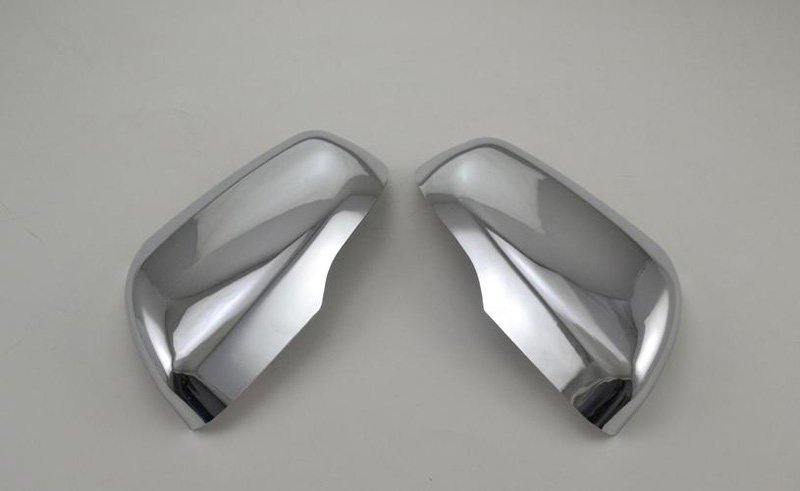
Overview of Electroplating
Utilizing the principle of electrolysis to deposit a layer of metal or alloy on the surface of a metal to improve the surface properties of the material.
The basic principle of electroplating is to put the workpiece to be plated into a solution containing metal ions as a cathode, and reduce the metal ions to solid metal by applying electric current, which forms a uniform and dense metal coating on the surface of the workpiece.
Electroplating is widely used to improve the corrosion resistance, electrical conductivity, appearance, hardness and other properties of metal parts.
Processes of Electroplating
- Pretreatment: Clean and degrease the workpieces to be plated for removing dirt, grease and other impurities from the surface.
- Activation: In some cases, it is necessary to activate the surface of the workpiece with chemicals to improve the bonding between the plated layer and the base metal.
- Pickling: Remove oxides and other contaminants from the surface of the workpiece by immersion in an acidic solution.
- Hanging: Fix the workpieces on conductive rods or hooks for connecting to the power supply during the plating process.
- Plating: The workpiece is placed in an electrolytic solution containing the metal ions to be plated and connected to a power source. When energized, the metal ions will be deposited on the surface of the workpiece to form a metal film.
- Post-treatment: After electroplating is completed, the workpiece needs to be cleaned and dried to remove excess electrolyte and moisture.
Benefits of Electroplating
Improved Corrosion Resistance
By forming a uniform and dense metal coating on the surface of metals, plating can significantly improve the corrosion resistance of workpieces and prevent metals from being damaged by oxidation and rust.
Enhanced Conductivity
Some electroplated coatings can improve the conductivity of a workpiece, making it more suitable for applications that require good electrical conductivity, such as electronic devices and electrical components.
Increased Wear Resistance
Electroplating can form a metal coating with high hardness on the surface of the workpiece, which improves the wear resistance and abrasion resistance of the material.
Wettability
Some electroplated coatings have good wettability, allowing them to better adhere to the surface of the substrate in some specific applications.
Restoration and Protection
Electroplating can be used to repair damaged or oxidized metal surfaces and provide an additional layer of protection to the workpiece for a longer service life.
Aesthetic Appearance
Electroplating improves the appearance of workpieces by giving them the luster, brightness and smoothness of metal for applications that require enhanced visual appeal.
Types of Electroplating CYCOSPRAY Offers
A common type of plating that provides good corrosion resistance and appearance.
Applications: Commonly used for automotive parts, furniture, hardware, and more.
It can improve the hardness, corrosion resistance and appearance of the workpiece.
Applications: It is widely used in automobiles, electronic equipment, furniture and decorations.
Gives the workpiece a golden yellow appearance and improves its aesthetics.
Use: Commonly used in jewelry, decorations, electronic connectors, and so on.
Provides excellent corrosion resistance and is commonly used to protect steel surfaces from oxidation and rust.
Use: Widely used in construction, automobile manufacturing and hardware.
Improve the conductivity and corrosion resistance of the workpiece.
Use: Commonly used for electronic components and electrical connectors.
Offers corrosion resistance and electrical conductivity.
Use: Typically used for cutlery, eating utensils, electronic connectors and some precision instruments.