Sand casting, a traditional and widely used process, plays an important role in manufacturing. Its flexibility and economy make it one of the preferred methods for manufacturing metal parts of various shapes, sizes and materials.
What is Sand Casting?
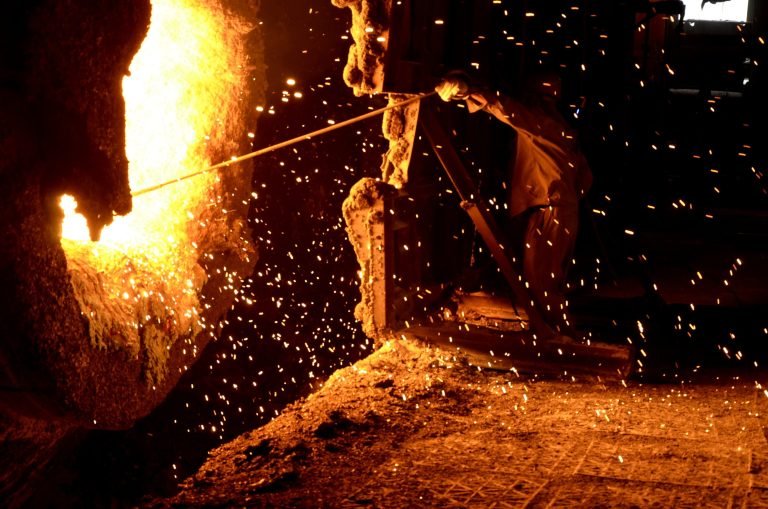
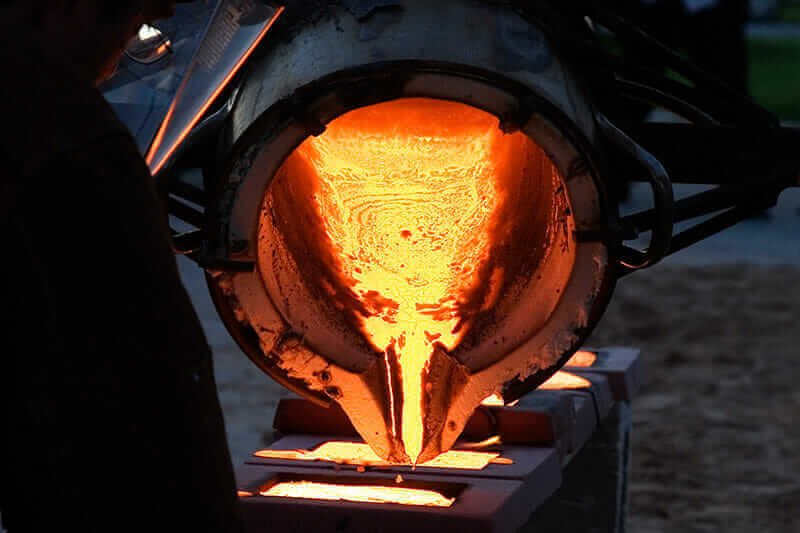
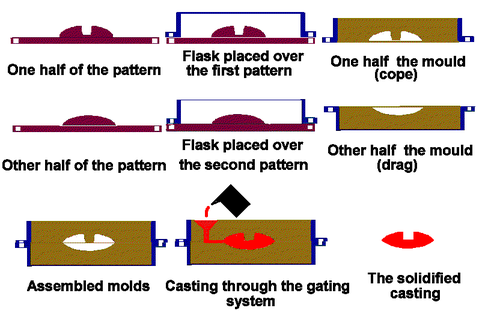
Sand casting is one of the oldest and most economical processes for manufacturing metal parts and structures. It involves pouring molten metal into a cavity-shaped sand mold and allowing it to solidify. The sand mold consists of sand particles and an inorganic binding agent. Once the metal has cooled to room temperature, the sand mold is opened to remove the casting. The most common technique is to use a pair of boxes filled with sand to form the sides of the cavity. The melting temperature of the various types of sand used in the process is much higher than the liquefaction temperature of the metal.
The main advantage of sand casting is the low cost of the casting mold, but it produces metal parts with lower surface quality. To produce high quality metal parts and structures, the structure and properties of the raw sand and core must be controlled. In addition, due to the slow cooling rate, the castings have a coarse grain structure and relatively low mechanical properties. Sand casting is versatile and is ideal for producing a wide range of metal parts in many ways. It is suitable for almost all metals such as gold, iron, lead and titanium.
Commonly Used Sand for Casting
Silica Sand (Quartz Sand): The main component is silica, which is the most commonly used type of casting sand. Natural silica sand is widely available and inexpensive, making it suitable for general cast iron and non-ferrous alloy castings.
Zircon Sand: Containing high purity zirconium oxide, it has high refractoriness and chemical stability, and is suitable for casting of stainless steel, high temperature alloys and other special materials.
Chromite Sand: Ground from chromite with high refractoriness, it is used to make core sand for various complex steel castings.
Corundum Sand: Aluminum oxide as the main component with extremely high refractoriness, it is suitable for demanding high-temperature alloy castings.
Ceramic Foundry Sand: A kind of ball sand made of high-quality bauxite through the process of calcination, electro-melting, sand blowing, sieving, and more. It has good fluidity and is easy to collapse, which is suitable for molding the inner cavity and outer dimensions of complex cast steel parts.
Graphite Sand: Composed of natural or artificial graphite particles, mainly used for non-ferrous metals, especially aluminum alloy casting, it can improve the surface quality of castings and reduce porosity.
Magnesia Sand: With magnesium oxide as the main component, it has high refractoriness and large thermal conductivity, making it suitable for the production of large and heavy castings.
Glauconite Sand (Wet Sand): A kind of casting sand containing moisture. It is usually made from a mixture of silica sand, clay and water. With good plasticity and fluidity, it is suitable for general casting process and relatively low cost.
Dry Sand: As opposed to wet sand, dry sand contains no water in its preparation. When making dry sand molds, it is usually necessary to add a binder, such as clay, bentonite or other chemical binders. Dry sand is suitable for castings that require greater precision and surface quality.
Mica Sand: A special type of casting sand containing the mineral mica. It has good stability and heat resistance at high temperatures and is suitable for high temperature casting processes such as alloy casting.
Refractory Sand: With good resistance to high temperatures, usually made of high silica quartz sand or materials containing high silica oxides. Refractory sand is often used for casting metals with high melting points, such as steel casting.
Ceramic Sand: A highly refractory, detailed sand material, usually composed of fine-grained quartz sand, feldspar and bentonite. It is used in some castings where high surface quality and detail are required.
Sand Casting Process
Mold Preparation
Sand molds are made according to the design and the process includes the following steps:
- Model Preparation: Use wood, plastic, metal and other materials to make a physical model that matches the shape of the part.
- Model Coating: Coat the surface of the model with a thin layer of separator to prevent the sand mold and model adhesion.
- Gating System Design: A suitable pouring spout, sprue and venting system is designed to ensure that the molten metal can flow smoothly into the entire sand mold.
Sand Preparation
According to the material and size requirements of the casting, choose the suitable raw sand (e.g. silica sand, zircon sand). Add appropriate amount of binder (e.g. water glass, resin), additives and water and mix well to make the sand.
Core Preparation
If a hollow structure or special shape is required inside the part, it may be necessary to prepare a sand core, usually using sand molding material with a certain strength.
The core is allowed to cure to ensure that it will retain its shape.
Gating
Molten metal (usually iron, aluminum, copper) is poured into the sand mold to ensure that the metal fills the entire shape of the part.
Cooling and Solidification
Once the metal has filled the entire model, start waiting for the metal to cool and solidify. The length of cooling time depends on the type of metal and the size of the part.
Demolding and Cleaning
Once the metal has cooled, open the sand mold and remove the cast part. If there is a core, remove it as well. The casting is then cleaned to remove any excess sand or other impurities.
The casting is trimmed to remove any protrusions or irregular surfaces to meet design requirements.
Heat Treatment
- Tempering: Reduce the hardness of the casting, decrease the brittleness, and increase the toughness.
- Ageing: Increase the hardness and strength of castings and improve mechanical properties such as tensile strength.
- Quenching and Tempering: Rapid cooling of castings by quenching to increase hardness, followed by tempering to reduce brittleness and improve toughness.
- Solid Solution Treatment: Applied to alloy castings, it increases the hardness and strength of castings by dissolving alloying elements and changing the crystal structure.
- Surface Hardening: Increase the hardness of the casting surface and improve the wear resistance.
- Normalizing: Increase the hardness and strength of castings and improve the crystal structure.
Finishing
Removing sand from the surface of the casting by hammering, vibrating or using specialized equipment is the first step to be taken after the casting is removed from the mold.
For the sand inside the casting, it may be necessary to clean it with the help of air blasting, water flushing, and other methods. For complex internal cavities, specialized sand removal tools or solvents may also be required.
Advantages of Sand Casting
- Cost-effectiveness: Compared to other casting processes, sand casting is less costly.
- Flexibility: Suitable for the production of parts with various complex shapes and sizes, as sand casting can be easily adapted to different design requirements.
- Design Freedom: Compared to other casting methods, sand casting offers greater freedom of design, enabling the manufacture of parts with complex geometries.
- Material Suitability: Can be used to cast various metal alloys, including iron, aluminum, copper, and nickel, as well as some special alloys.
- Rapid Production: The process is relatively quick, allowing for large quantities to be produced in a relatively short period of time.
- Easy to Make Design Modifications: Models and molds can be adjusted relatively easily if design modifications to parts are required.
- Recyclability: Casting sand is renewable and also can be recycled and reused, helping to minimize waste of resources.
Limitations of Sand Casting
- Surface Quality: The surface quality of sand casting is relatively poor and may require subsequent machining and surface treatment.
- Dimensional Accuracy: The dimensional accuracy of sand casting is lower than that of other precision casting processes.
- Limitations of Core Use: For some complex internal structures, the use of cores may be limited.
- Mold Life: Molds usually wear out after many uses and need to be replaced periodically, which may increase the cost.
- Restriction on Some Specialty Alloys: For some special alloys with high temperature or high strength requirements, sand casting may not be the most suitable option.
- Environmental Considerations: Although casting sand can be recycled, the chemicals and wastewater generated during the production process may have some impact on the environment.
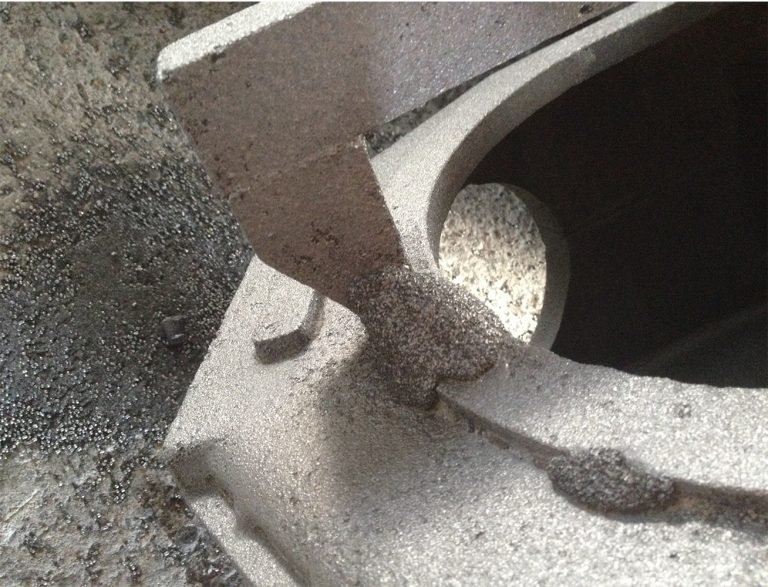
- Internal Defects: There may be internal defects such as porosity and slag entrapment. These defects may affect the mechanical properties and quality of the castings.
How to Ensure the Quality of Sand Casting
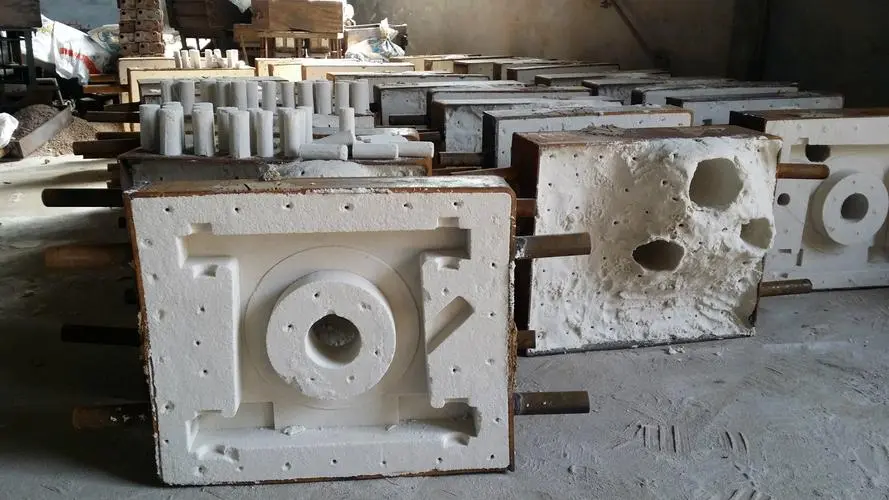
Reasonable Mold Design
Use appropriate design software and engineering techniques to ensure that models and molds are designed to meet process requirements and final product specifications.
Strict Control of Sand Preparation Process
Select appropriate casting sand and make sure it meets quality standards.
Control the vibration and density of the sand filling to ensure the strength and stability of the final sand mold.
Core Preparation and Use
Select the appropriate core material and ensure that the core preparation meets the quality requirements.
Control the positioning and support of the core to ensure its correct position and stability during the casting process.
Strictly Control the Pouring Process
Use a proper pouring system to ensure that the metal can fill the whole sand mold evenly and stably.
Control pouring temperature and speed to avoid defects such as porosity and slag entrapment.
Temperature and Humidity Control
Control ambient temperature and humidity during preparation of the sand mold and casting process to prevent shrinkage, cracking or other problems with the sand mold.
Quality Inspection
Conduct quality inspections at key stages, including model and mold design, sand preparation, and before and after pouring.
Use non-destructive inspection methods such as X-ray inspection and ultrasonic inspection to check for internal defects.
Regular Maintenance and Replacement
Regularly inspect and maintain molds to ensure that they are in good condition.
Replace molds with severe wear and tear in time according to usage to avoid negative impact on casting quality.
Staff Training
Train staff to ensure they understand and follow standard operating procedures.
Develop and implement clear work instructions to ensure that each step is performed according to standards.
Quality Records
Record key parameters and test results during the production process for quality traceability.
Optimize the production process by making continuous improvements based on the recorded data.
Sand casting in the manufacturing industry
Automobile
- Engine blocks and heads
- Crankshafts, connecting rods and pistons
- Transmission and transmission parts
- Brake system components
Aerospace
- Aircraft engine parts
- Aircraft structural components
- Spacecraft components
Energy
- Generator Parts
- Gas turbine parts
- Boiler and heat exchanger components
Heavy Industry
- Railroad vehicle parts
- Engineering machinery parts
- Steel products
Agriculture
- Tractor parts
- Agricultural equipment components
Electronics and Appliances
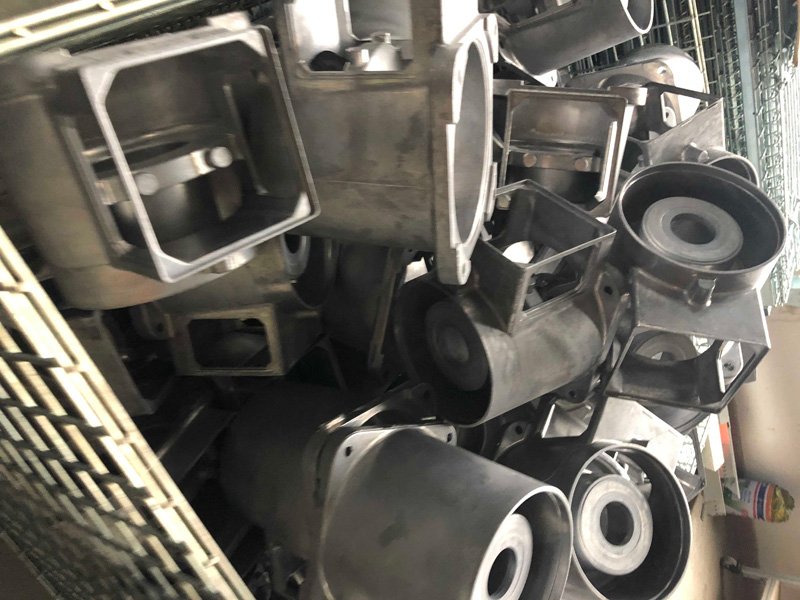
- Motor housings
- Electrical connectors
- Cable and wire protection parts
Medical Equipment
- Housing and structural parts for devices
- Medical device parts
Marine
- Engine parts
- Hull Structures
General Machinery
- Pump and valve parts
- Gears and bearing housings
Summary
Sand casting is a widely used traditional process for manufacturing metal parts. Despite some limitations, such as poor surface quality and low dimensional accuracy, its cost-effectiveness, short production lead time, and adaptability make it irreplaceable in automotive, aerospace, marine, construction, power equipment, and heavy machinery.
When choosing a precision casting machining service provider, CYCO is your best choice if you expect high quality, customized sand casting services and to work with a team that has the experience and expertise to meet manufacturing needs.
We have the experience and expertise in sand casting to deliver high quality services.
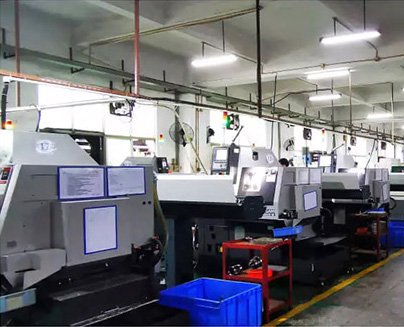
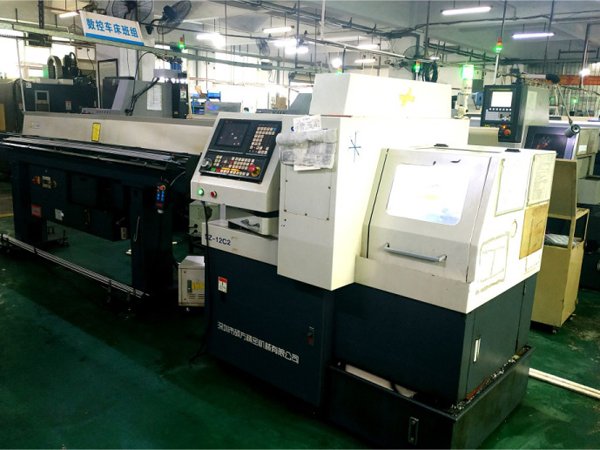
We utilize advanced technology and equipment to ensure efficient manufacturing processes and product quality.
We focus on customer needs and provide customized solutions with the flexibility to fit various design requirements.
We have established a comprehensive quality control system and ensure that our products meet high quality standards through rigorous inspection and testing.
We are concerned about environmental issues and take measures to minimize environmental impact and ensure the sustainability of our production process.
We take customer satisfaction as our core objective and have built good customer relationships by providing high quality products and services.
We possess the ability to constantly innovate and follow industry trends in order to provide more advanced solutions.
Contact us now to start your new casting project!