Hot forging involves plastic deformation of metals at high temperatures, while cold forging involves plasticizing metals at lower temperatures. Both are suitable for different industrial applications.
Definition of Forging
Forging is a manufacturing process that changes the shape of a metal or other forgeable material into another shape by applying pressure to it. During forging, the internal structure of the metal is improved and defects such as porosity and porosity are eliminated. At the same time, the mechanical properties of forgings are usually superior to the same material castings because the flow lines of the metal are preserved. According to the different forging temperatures, forging technology includes hot forging and cold forging.
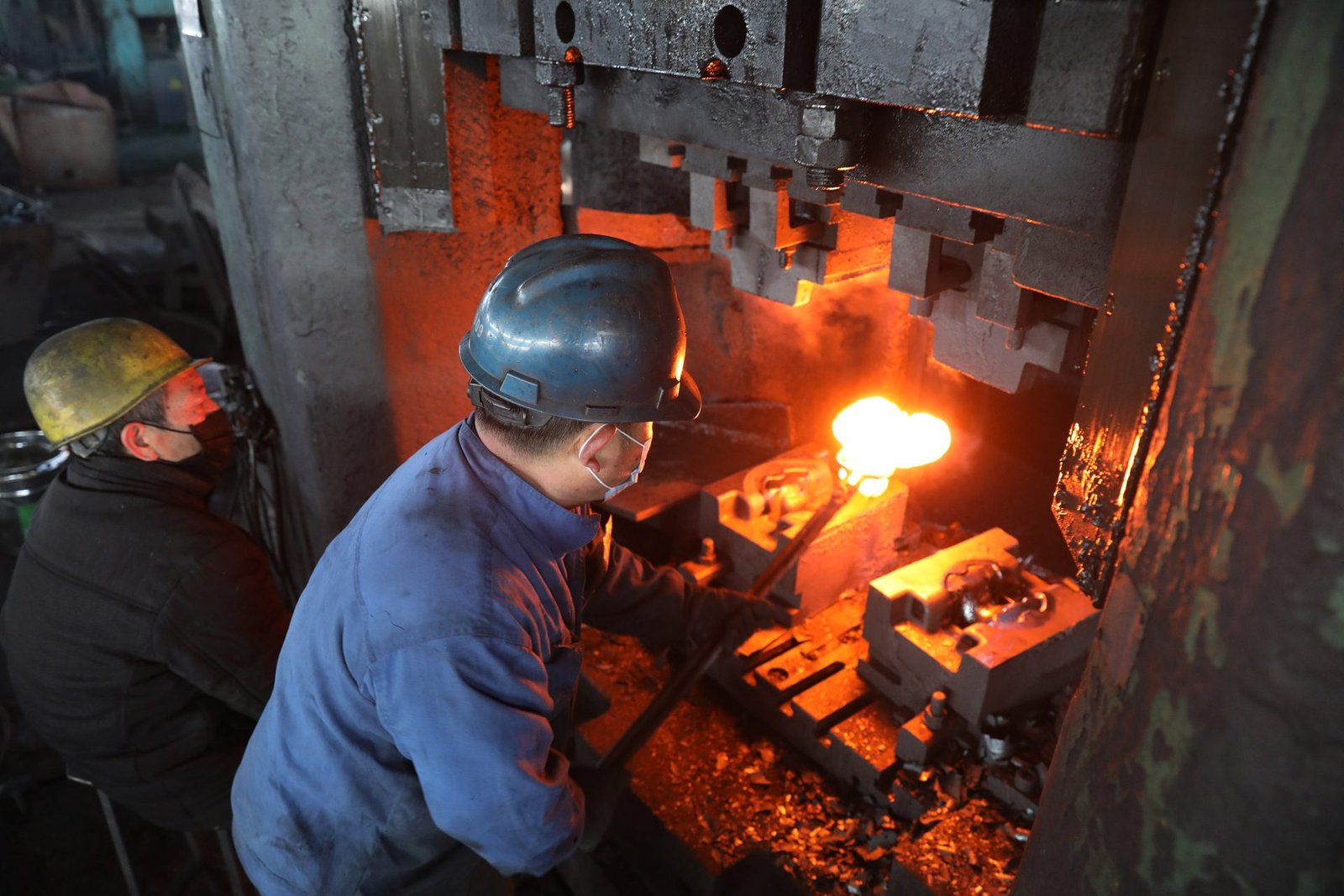
What is Hot Forging
Changing the shape of a metal billet and improving the mechanical properties of a metal material at high temperatures. This usually involves heating the metal billet above its deflection temperature and then deforming it plastically by pressure or impact. The high temperatures of hot forging help to increase the plasticity of the metal, making it easier to deform and favoring the improvement of the grain structure of the material. This improves the strength and toughness of the product, making hot forging widely used in the manufacture of large parts and industrial products.
What is Cold Forging
In contrast to hot forging, cold forging is performed at lower temperatures. Cold forging is usually carried out below the recrystallization temperature of the metal material, without heating the material to a high temperature. During cold forging, the metal billet is plastically deformed by pressure or impact at room temperature or with slight heating. This helps to keep fine grains in the material while increasing the strength of the material. This process is often used to create highly precise, dimensional accurate parts.
Read on and explore the differences between hot forging and cold forging with us.
Hot Forging
Processes
- Mold preparation: Design and prepare a mold, usually made of materials resistant to heat, abrasion and impact. The shape and size of the mold is determined by the requirements of the final product.
- Blank preparation: Choose a suitable metal blank, usually an ingot or billet. These blanks are usually large and the raw material is cut to the appropriate size and shape for the product.
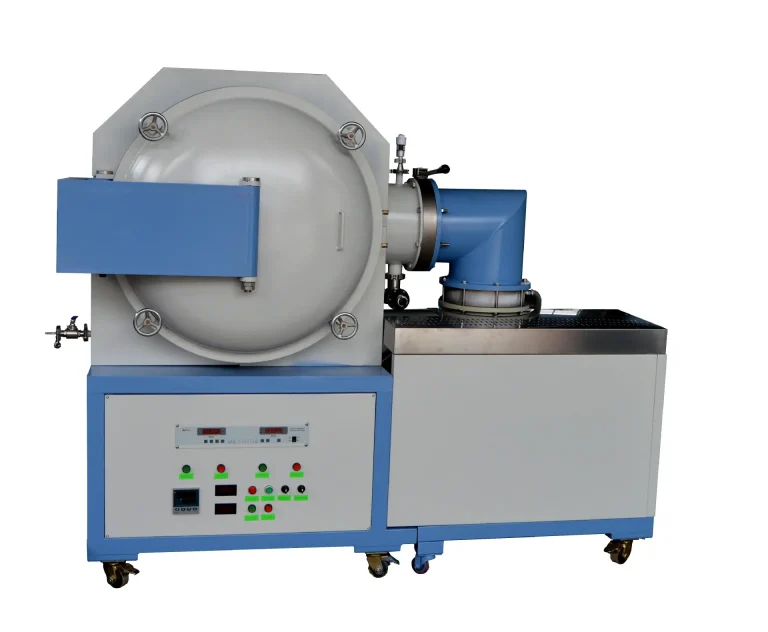
- Heating: The billet is heated to a specified forging temperature, usually above the recrystallization temperature of the metal. Heating ensures that the metal has good plasticity and flow. Preheating also helps to improve billet uniformity and avoid cold cracking. However, temperature uniformity needs to be controlled during heating to prevent oxidation of the metal and changes in internal organization.
- Forming: The billet, which has reached the forging temperature, is placed on the forging machine and sufficient pressure is applied to deform the billet. After several strikes or presses, the shape and size of the billet are changed to obtain the desired end product.
- Cooling: Proper cooling is required after the forging is completed. This helps to stabilize the structure of the metal, reduce residual stresses and improve mechanical properties.
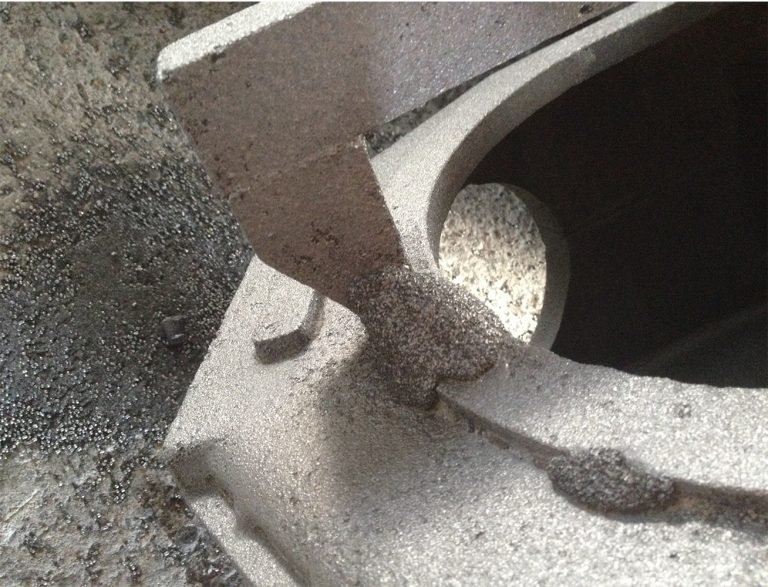
- Finishing: The formed part usually has burrs and excess material that needs to be removed to achieve the final dimensions and surface quality required.
- Heat treatment: Some products may require heat treatment to adjust their mechanical properties and crystal structure, depending on the material and properties.
Advantages
- Improved material plasticity.
- Modified grain structure of the material.
- Improved mechanical properties.
- Reduced residual stresses.
- Increased stability and durability of parts.
- Decrease porosity and inclusions by improving surface quality.
- Suitable for all kinds of metal materials that can maintain good plasticity at high temperatures.
Limitations
- Higher energy consumption.
- Long production cycle.
- High cost.
- Restricted to materials that oxidize or lose plasticity easily.
- May require subsequent machining or surface treatment.
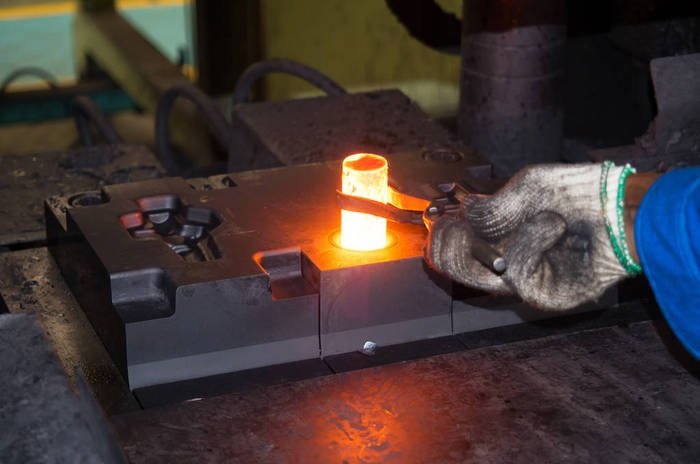
Cold Forging
Processes
- Mold preparation: Design and prepare a mold, the shape and size of which depends on the requirements of the final product.
- Billet preparation: Selection of suitable metal billets, usually round or square metal bars or profiles. The raw material is cut to the appropriate size and shape.
- Pre-treatment: The billet is cleaned and degreased to remove surface impurities and oxidized skin. This helps to increase the plasticity of the material, making it easier to deform.
- Forming: Apply high pressure to the blank at room or ambient temperature to deform it plastically. The blank may need to be struck or pressed several times to gradually shape the complex structure of the part.
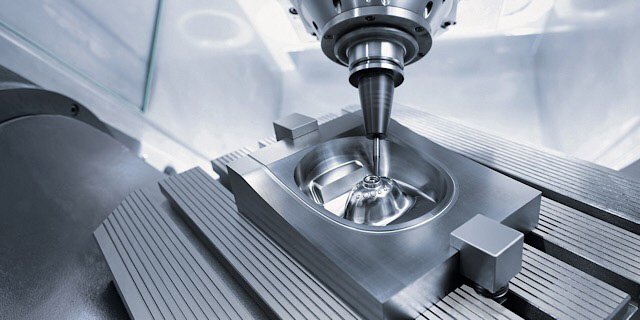
- Finishing: For parts requiring high precision and surface finish, processes such as machining and polishing may also be required.
- Heat treatment: Depending on the application and the performance of the part, heat treatment may be required to adjust its hardness, strength and toughness.
- Surface treatment: Such as plating, painting, anodizing, which can improve its corrosion resistance and aesthetics.
Advantages
- Increased material strength.
- Maintain grain structure of metal.
- High precision.
- Preservation of raw material properties.
- Energy saving.
- Suitable for mass production.
Limitations
- Limitations of materials with high hardness, high strength or brittleness.
- Complex shape limitation.
- Slow processing speed.
- High machining difficulty.
- Possible internal defects.
Common Materials for Forging
| Materials | Working Temperature
(Hot forging) |
Working Temperature
(Cold forging) |
Merits | Applications |
| Carbon steel | 1,100°C ~ 1,250°C | Room temperature | High strength and good durability | Various industrial parts such as bearings, gears, shafts. |
| Alloy steel | 1,200°C ~ 1,300°C | Superior strength and wear resistance | Parts with high loads and high strength, such as airplane parts and automobile parts. | |
| Stainless steel | 1,200°C ~ 1,300°C | Outstanding corrosion and heat resistance | Corrosion-resistant parts, such as pipes, valves, pressure vessels. | |
| Aluminum alloy | 400°C ~ 500°C | Light weight, good electrical and thermal conductivity | Aerospace parts, automotive parts and other lightweight structural parts. | |
| Copper alloy | 700°C ~ 900°C | Good processability, thermal and electrical conductivity | Conductive parts, bearings, gears. | |
| Titanium alloy | 850℃ ~ 1,000℃ | Excellent strength and corrosion resistance | Aerospace, medical devices and chemicals. |

Differences Between Hot Forging and Cold Forging
| Hot forging | Cold forging | |
| Temperature | Above the recrystallization temperature of the metal | Near room temperature |
| Applicable materials | Excellent plasticity at high temperatures | Good plasticity and low deformation resistance |
| Material properties | Increase plasticity, improve toughness, reduce hardness | Retain hardness and improve strength |
| Materials microstructure | Recrystallization and grain refining | Maintain original grain structure |
| Surface quality | Poor | Good |
| Forming | Better | Harder |
| Product accuracy | Lower | Higher |
| Cost | Higher equipment and energy costs | Low energy costs and high equipment investment |
| Applications | Large parts with low precision | Small parts with high precision and high surface quality |
Summary
Hot forging and cold forging are two important metal forging processes that differ significantly in some respects and each has unique advantages and limitations. The high temperature of hot forging can optimize the microstructure of the metal to improve the plasticity and fluidity of the material. This makes hot forging suitable for the manufacture of complex shapes and large-sized parts. In contrast, cold forging is performed at room temperature without additional heating. Cold forging can produce high precision and quality parts while saving material and energy.
The choice of hot or cold forging should be based on a combination of factors including product requirements, material properties and productivity. The right forging process is critical to the manufacture of high-performance parts and is an important factor in ensuring the performance and quality of the final product. With the development of technology and the emergence of advanced machining techniques, in-between processes (warm forging) have also emerged.
In summary, both hot forging and cold forging are essential metal forming techniques. Understanding and mastering both processes helps engineers and manufacturers choose the most appropriate production process for the situation. CYCO, with over twenty years of experience in precision machining and manufacturing, also specializes in forging machining. If you need forging services in your project, please feel free to contact us!