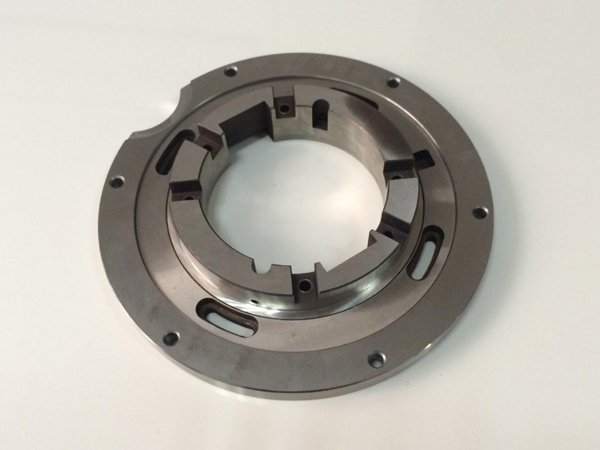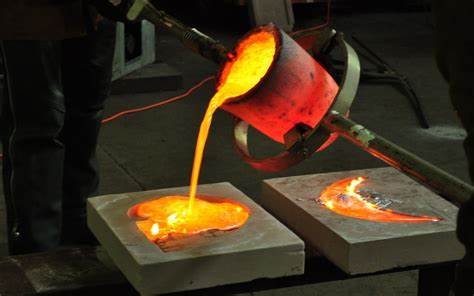
Non-ferrous metal melting is the heating of non-ferrous metals and their alloys to a high temperature liquid state. Through alloying and fine control, metal materials with specific properties for casting and other industrial applications are extracted, purified or prepared.
Non-ferrous Metals
Refers to all metals and their alloys except iron, manganese, chromium (and sometimes cobalt).
What are Non-ferrous Metals
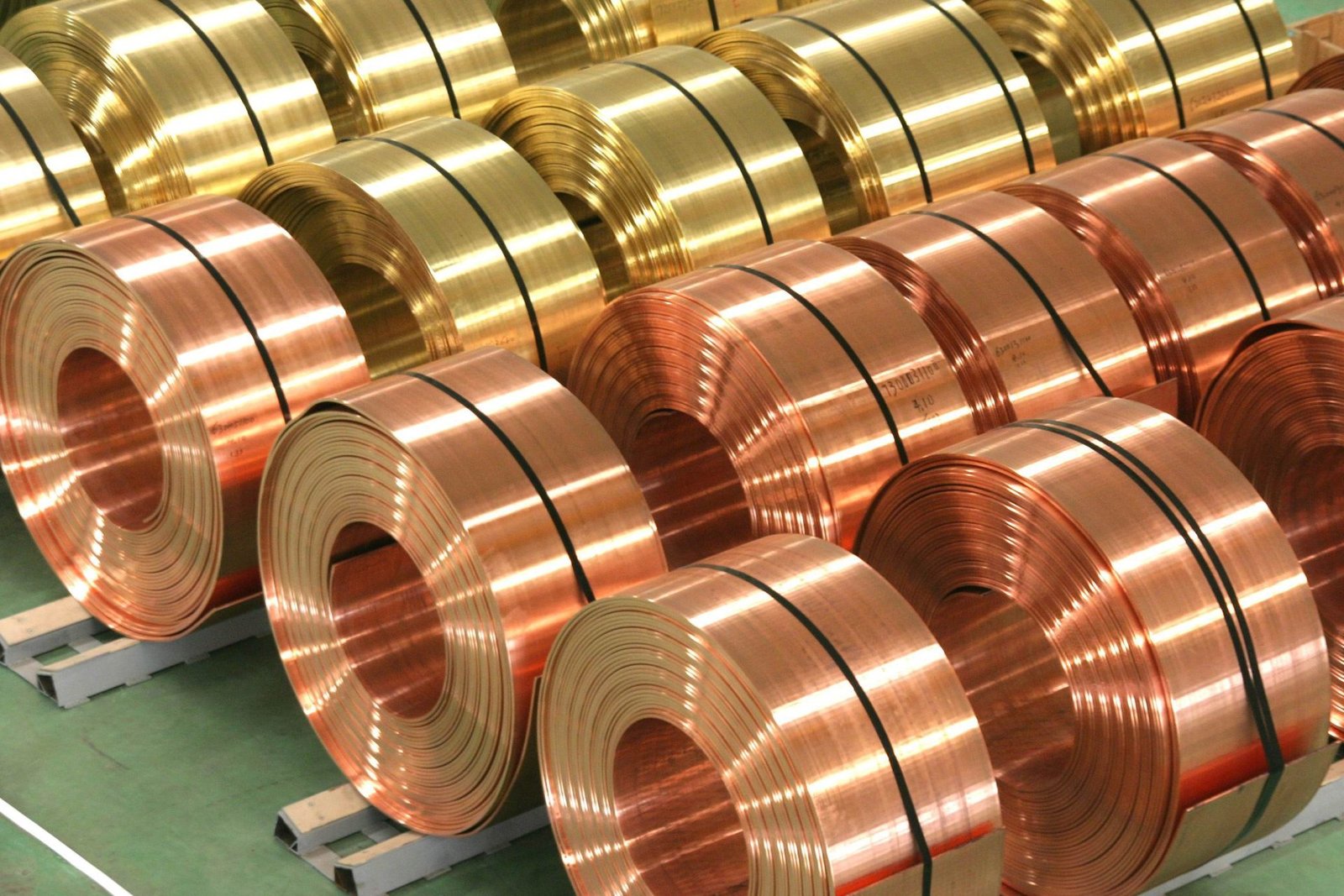
Non-ferrous metals are metals that do not have or contain relatively low levels of iron. These metals usually appear colored in their natural state, in contrast to iron ore (ferrous metals). However, not all non-ferrous metals have distinctive color characteristics. The major non-ferrous metals include copper, aluminum, nickel, zinc, tin, lead and magnesium. They typically have good electrical and thermal conductivity, corrosion resistance and malleability. They are also commonly used to make alloys to improve their properties and to suit different needs. These metals and their alloys play an important role in the electronics, construction, aerospace, and automotive industries.
Importance of Non-ferrous Metals in Casting
- Excellent fluidity: Metals such as copper and aluminum usually have good liquid fluidity. This facilitates the liquid metal to fill the mold well during the casting process, ensuring complex shapes and details in the castings.
- Superior plasticity: These metals are easily machined into various shapes, which helps in preparing castings with complex structures. This is particularly important for parts with specialized shapes, such as automotive engine parts and aero-engine parts.
- Excellent thermal and electrical conductivity: They often have high thermal and electrical conductivity. This is particularly advantageous in applications where heat dissipation or electrical conductivity is required, such as electronics, heat sinks, etc.
- Corrosion resistance: Better resistance to corrosion, which makes them widely used in some applications that need to resist environmental corrosion.
- Lightweight design: Non-ferrous metals reduce the weight of parts. This is in line with the trend of pursuing lightweight and energy saving in modern engineering design.
- Recyclability: Help reduce resource waste and maintain sustainable development.
Non-ferrous Metals Commonly Used in Casting
Aluminum and its Alloy
- Aluminum-silicon alloy: Silicon content between 10% and 25%. Good fluidity and corrosion resistance, but lower tensile strength and hardness. Commonly used for die casting of automotive parts and aviation parts, common grades include A356, A380, AC4C.
- Aluminum-copper alloy: Copper content between 2% and 12%. Excellent strength and corrosion resistance, but poor casting performance and high cost. Commonly used in casting aircraft parts, common grades include AE44, C95800.
- Aluminum-magnesium alloy: Magnesium content between 3% and 6%. Great corrosion resistance and strength-to-weight ratio, but general casting performance and prone to thermal cracking. Typically used for applications with high strength and corrosion resistance requirements, such as shipbuilding and aerospace. Common grades include AM50, AM60.
- Aluminum-zinc alloy: Zinc content between 8% and 40%. Nice casting properties and corrosion resistance, but lower strength and susceptible to thermal embrittlement. Suitable for gravity casting process, used for manufacturing automotive parts, electric power industry equipment. Common grades include ZA-8, ZA-12, ZA-27 and so on.
Copper and its Alloy
- Pure copper: Excellent electrical and thermal conductivity, good castability and corrosion resistance. Mainly used for wires, cables, electronic components, radiators, decorations. Common grades include Cu-DHP, Cu-OFE, and others.
- Brass: According to the different zinc content, it is divided into common brass (less than 40%) and special brass (more than 40%). It has good workability and corrosion resistance, superior castability and cutting processability. Commonly used in the manufacture of cartridge cases, pipes and decorative items. Common grades include CW614N, C23000, C37700, etc.
- Bronze: It is divided into tin bronze, aluminum bronze, silicon bronze, lead bronze and others according to the different elements added. It has good wear resistance, corrosion resistance, fatigue resistance and friction reduction, and different bronze alloys have different characteristics. It is widely used for bearings, axle tiles, gears, pump housings, etc.
Common grades include:
C93200 (tin bronze): Good electrical conductivity and corrosion resistance.
C95400 (aluminum bronze): Excellent strength, corrosion resistance and thermal conductivity.
C93800 (lead bronze): Superior wear resistance and friction reduction, not suitable for food and potable water systems.
C87300 (manganese bronze): High strength, hardness and wear resistance.
Magnesium and its Alloy
- Magnesium-aluminum alloy: According to the different aluminum content, it can be divided into low aluminum-magnesium alloy (less than 6%), medium aluminum-magnesium alloy (between 6%-10%) and high aluminum-magnesium alloy (higher than 10%). Good casting properties, thermal conductivity and electromagnetic shielding properties. High strength, light weight, but poor corrosion resistance and weldability. Widely used in automotive parts, aerospace parts and electronic product shells. Common grades include AZ91D, AM50, AM60, etc.
- Magnesium rare earth alloys: Magnesium alloys containing rare earth elements. It has the advantages of low density, high specific strength, high specific stiffness, high vibration damping, easy processing and easy recycling. Mainly used in aerospace, military equipment, power electronic equipment, medical equipment. Common grades include WE43, WE54, WE94 and so on.
- Magnesium-zinc alloy: High strength and hardness, good wear resistance and corrosion resistance, but poor thermal stability. Mainly used in automotive parts, electronic products shell, sports equipment and other fields. Common grades include ZK60, EZK31A and so on.
- Magnesium-manganese alloy: Excellent plasticity, toughness, weldability, and corrosion resistance, but lower strength. Mainly used in aerospace, electronic products, medical equipment and other fields. Common grades include MB1, MB8 and so on.
Zinc and its Alloy
- Zinc-aluminum alloy: According to the different aluminum content, it can be divided into low aluminum zinc alloy (less than 2%), medium aluminum zinc alloy (between 2% and 10%) and high aluminum zinc alloy (more than 10%). It has good castability, abrasion resistance and corrosion resistance, but has a large coefficient of thermal expansion and is prone to thermal cracking. Widely used in automotive parts, home appliances, electronic equipment, toys, decorations and other fields. Common grades include ZA-8, ZA-12, ZA-27 and so on.
- Zinc-magnesium alloy: High strength and hardness, good wear resistance and corrosion resistance, but poor weldability. Mainly used in automotive parts, electronic products shell, sports equipment and other fields. Common grades include ZM5, ZM6, etc.
- Zinc-copper alloy: Better strength and hardness, good casting performance and cutting processability, but poor fluidity. Mainly used in automotive parts, home appliances, electronic equipment and other fields. Common grades include ZA-4, ZA-5, etc.
- Zinc-titanium alloy: Higher strength and hardness, good wear resistance and corrosion resistance, but higher cost. Mainly used in aerospace, military equipment, power electronic equipment, medical equipment and other fields. Common grades include ZT6, ZT7, etc.
- Zinc-silicon alloy: Relatively high strength and hardness, good casting performance and cutting processability, but poor fluidity. Mostly used in automotive parts, home appliances, electronic equipment and other fields. Common grades include ZSi-4, ZSi-5 and so on.
Non-ferrous Metals Melting
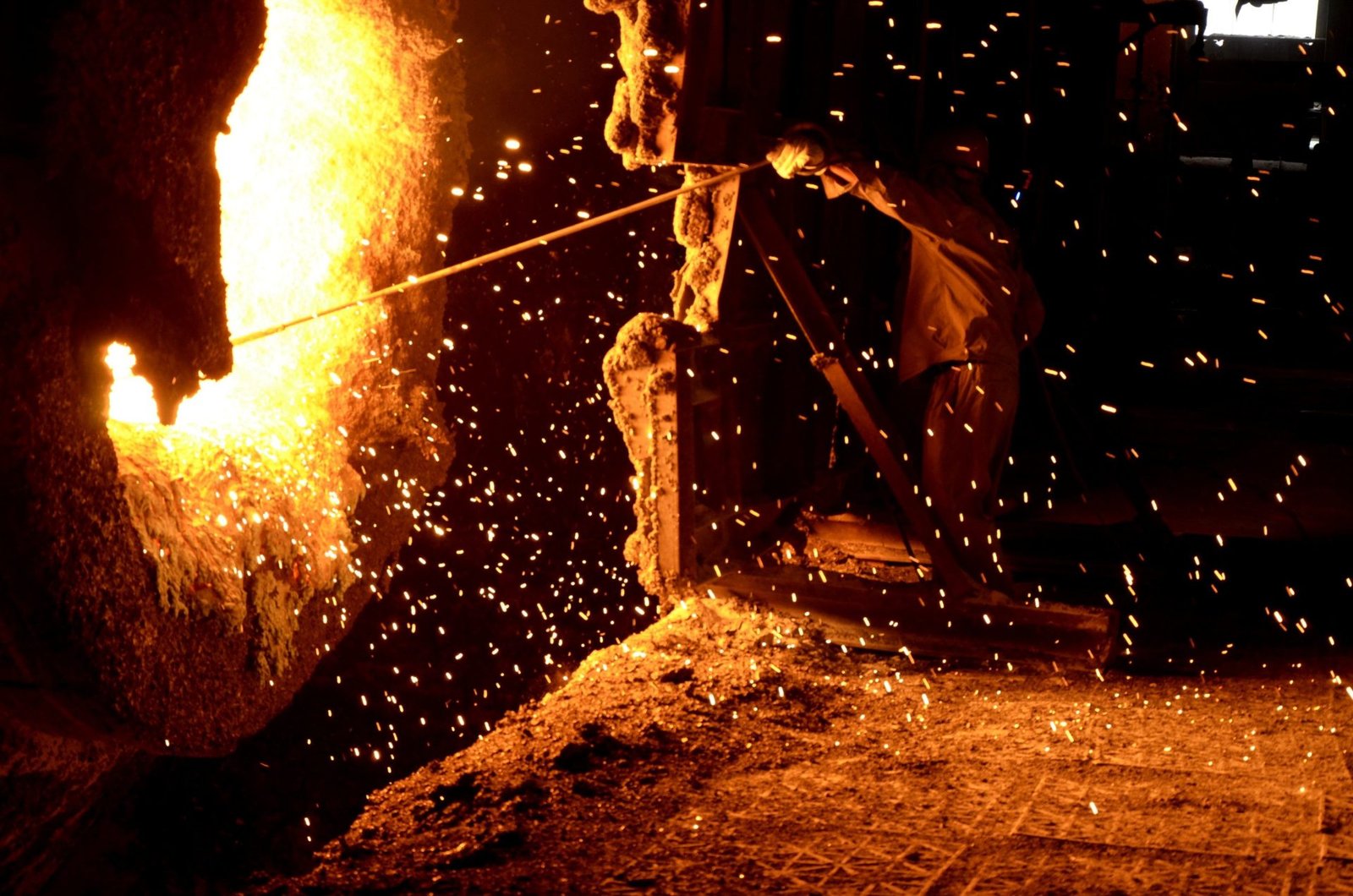
The process of transforming a metal from solid to liquid by heating it above its melting point.
Metal Melting Process
- Raw material preparation: The preparation of the required non-ferrous raw material. It can be ore, scrap metal, recycled material, or other forms of metal. Ore extracted from mines needs to go through processes such as crushing, grinding and flotation to extract a concentrate containing the target metal. For scrap metal or industrial waste, pre-treatment such as sorting, cleaning and crushing is required.
- Pre-treatment: Drying and dewatering may be required to remove moisture and impurities. Some metals may need to be roasted or reduced to change their chemical properties so that they are easier to melt.
- Melting: The pretreated material is placed in a melting furnace and heated until it melts. Melting equipment includes electric arc furnaces, induction furnaces, or reflecting furnaces. Melting furnace, heating method and temperature will depend on the nature of the metal.
- Alloying: Add the desired alloying elements to the melted metal. Mix well in specific proportions to obtain the desired alloying properties.
- Impurity removal: To remove non-metallic inclusions, gases and other harmful impurities from the melt. Usually uses stirring, blowing, addition of refining agents, or vacuum treatment.
- Liquid metal treatment: Filtering of the melt to further remove minute solid particles and air bubbles. Filtering is sometimes done with materials such as ceramic filters or foam ceramics. Adjust the temperature and composition of the melt according to the requirements of the casting to ensure that it meets the needs of the casting process.
- Casting or molding: Once the melt completes, it is possible to cast the liquid metal into the desired shape or to process it through other molding processes.
Metal Melting Equipment
- Electric arc furnace: generates high temperature through electric arc discharge to heat the metal to the melting point.
- Induction furnace: uses the principle of electromagnetic induction to melt metal by inductively heating it.
- Furnace: a traditional heating equipment that uses fuel for heating. Commonly used fuels are natural gas, liquefied petroleum gas or other fuels.
- Resistance furnace: heats metal by using electrical resistance to convert electrical energy into thermal energy.
- Reflex furnace: an open type of melting equipment. Fuel is burned on one side of the furnace chamber and the heat transfers to the material inside the furnace through a reflector plate.
- Vacuum melting furnace: melts in a vacuum environment, which can effectively remove gases and impurities from the melt.
- Electron beam furnaces and laser melting furnaces: use electron beams or lasers as a heat source for melting.
How Melting Parameters Affect Alloy Properties
- Temperature: directly affects the degree of melting and composition uniformity of the alloy. Too low a melting temperature may result in incomplete melting of some ingredients. Excessively high melting temperatures may result in burnout or oxidation of alloying elements.
- Pressure: affects the density and crystal structure of the alloy. Higher pressures result in a denser crystal structure, which may improve the mechanical properties of the alloy.
- Melting time: critical for mixing and diffusion of alloying elements. Longer melting time helps to achieve better homogeneity. However, excessive time may also lead to volatilization and loss of certain elements.
- Stirring speed: stirring promotes mixing of the alloying elements. Appropriate stirring speeds help to evenly distribute the alloying elements, improve alloy uniformity and reduce segregation. Excessive stirring may introduce gases and inclusions.
- Protective atmosphere: prevents the metal from coming into contact with oxygen and can reduce oxidation and combustion losses. Keeps the chemical composition of the alloy stable.
- Alloying element ratio: the proportion of major alloying elements determines the basic properties of the alloy, such as strength, hardness, toughness and corrosion resistance. Appropriate adjustment of the proportion can optimize the comprehensive performance of the alloy.
- Cooling rate: affects the crystallization process and grain size of the alloy. Rapid cooling usually results in a fine grain structure. This increases the strength and hardness of the material, but may reduce toughness. Slow cooling is the reverse.

Control of Metal Melting Quality
- Strict composition analysis and performance testing of raw materials to ensure that they meet the production requirements and standards.
- Regular maintenance and overhaul of melting equipment to ensure the accuracy of parameters.
- Precisely control the melting temperature to avoid overheating or overcooling that may lead to uneven composition.
- Use protective gas or vacuum environment to prevent metal oxidation.
- Adopt filtration, vacuum treatment, electromagnetic stirring and other techniques to improve the purity and fluidity of the melt.
- Strictly control the amount and sequence of alloying elements added.
- Regularly test and adjust the alloy composition during the melting process.
Summary
Melting is a complex and precise process that has a decisive influence on the quality and performance of the final casting. Melting is the cornerstone of achieving high quality castings, the quality of which is directly related to the performance and reliability of the final product.
CYCO is a precision manufacturing and machining company with over twenty years of experience. We also specialize in precision casting machining, which includes metal melting. We utilize the latest melting equipment and advanced melting technology to ensure that the melting process is efficient, accurate and eco-friendly. We strictly control the quality of our raw metal materials and we have extensive experience in handling various metal materials.
To save your valuable time, contact us now!