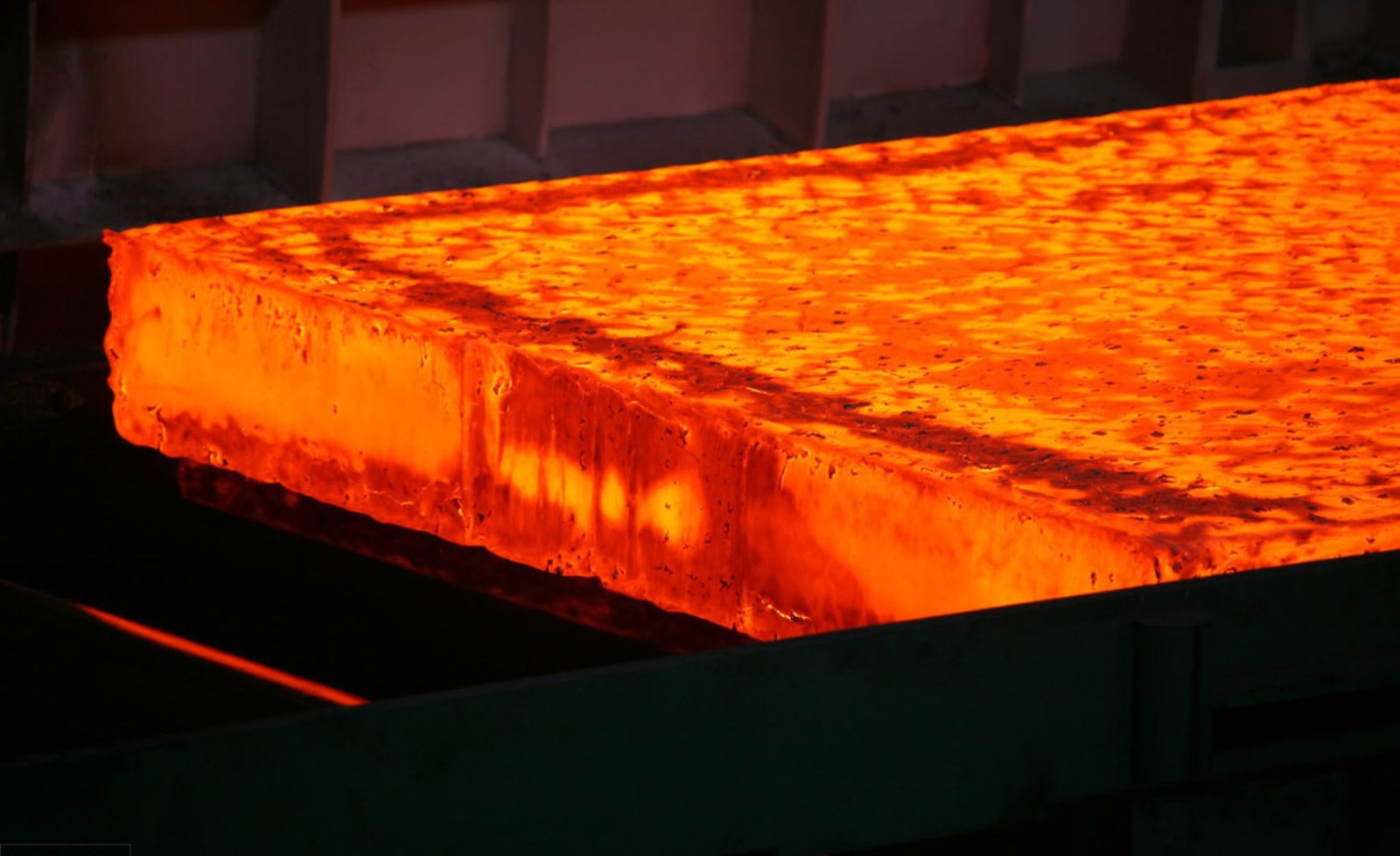
Heat treatment uses heating and cooling processes to change the internal microstructure of steel castings. It is a process to optimize the mechanical properties of castings, eliminate casting stress and improve dimensional stability.
Introduction of Steel Castings
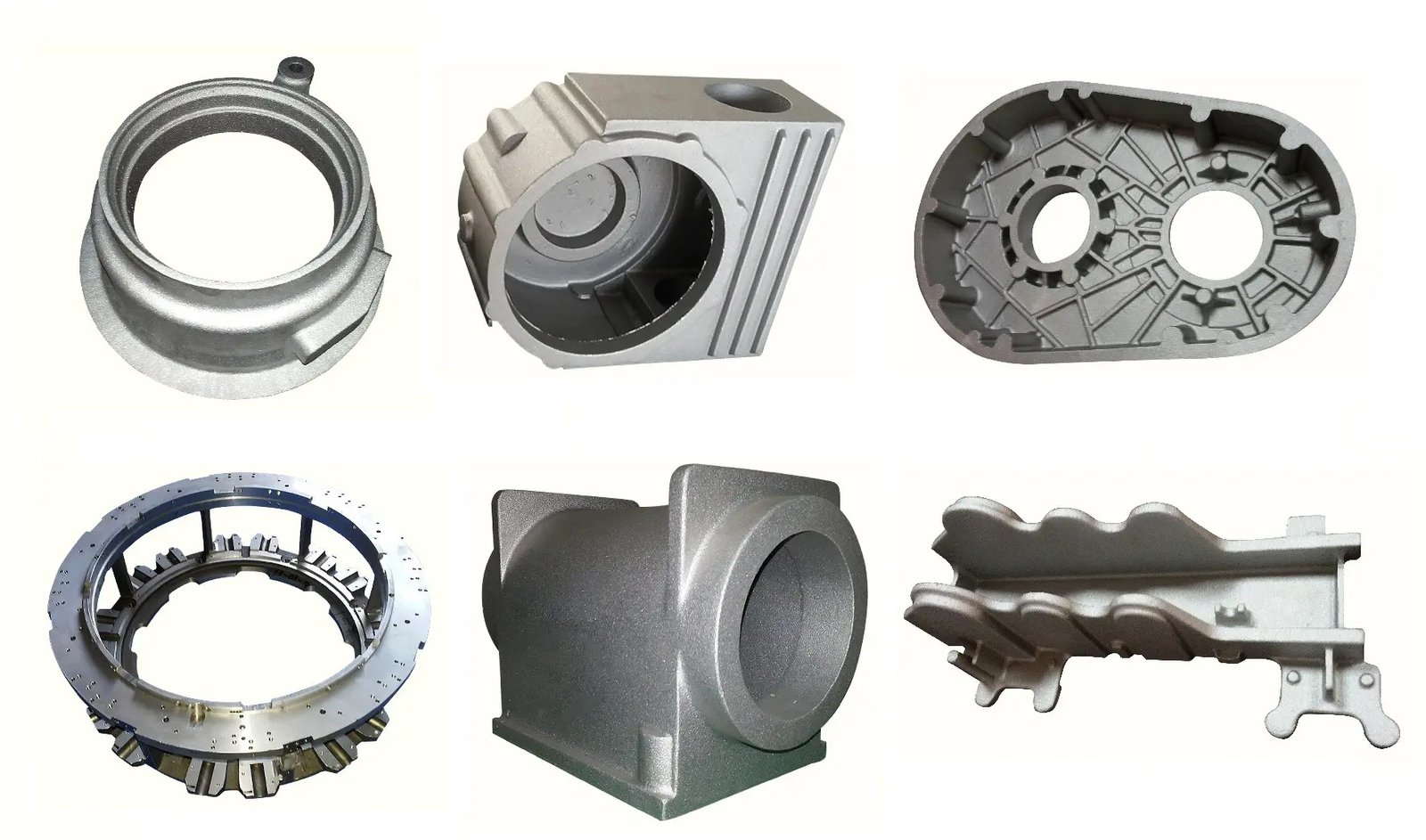
Steel parts manufactured through the casting process.
Definition of Steel Castings
A metal part formed by injecting liquid steel into a mold and cooling it to solidify. Cast steel is a casting alloy with carbon as the main element and a certain amount of other alloying elements. It has high strength, toughness and plasticity, suitable for the manufacture of various engineering structural parts that bear large loads and require high mechanical properties or wear resistance.
Compared with cast iron, steel casting has better tensile strength, yield strength and impact toughness. However, its casting process is also more difficult, because of the high melting point, poor fluidity and easy oxidation of cast steel.
Importance of Steel Castings
Steel casting has an extremely important position in industrial production and engineering applications. Its importance is mainly reflected in the following aspects:
- Structural strength and stability: Cast steel has high strength, toughness and good plastic deformation ability. It is usually used to manufacture the key components that bear large loads and impacts. It can ensure that these parts in the complex working conditions to maintain sufficient bearing capacity and stability.
- Process flexibility: The casting process allows to produce parts with complex shapes and large dimensions. This is difficult to achieve with forging and other processing methods. This gives steel casting a great deal of freedom in the design and production process.
- Economic benefits: Although the initial cost of steel casting is high, it can make shapes close to the final product directly. This reduces the cost and time of subsequent machining, and provides good economic benefits in mass production. At the same time, steel casting can obtain high wear resistance and corrosion resistance after heat treatment. It improves the service life of the products.
- Widely used: Steel castings are widely used in many fields such as construction, bridge, mining, metallurgy, energy, transportation and so on. They are indispensable basic materials for these industries. For example, in heavy machinery, steel castings are an important part of the core components. Their working performance directly affects the operational efficiency and reliability of the whole system.
- Broad adaptability: Cast steel can meet the performance requirements of different use environments by adjusting the composition and heat treatment process. This includes special performance requirements such as wear resistance, high temperature resistance, corrosion resistance, which further extends its application range.
Heat Treatment of Steel Castings
By controlling the temperature and time of heating in order to change the organizational structure and properties of steel casting. The correct heat treatment process can significantly improve hardness, strength, toughness and other mechanical properties.
Potential Problems of Steel Castings
During the casting process, steel castings may face various problems that may affect their quality and performance. The following are some of the problems that may occur during casting:
- Porosity and bubbles: If gas is present in the melt, it can form porosity and bubbles during solidification, affecting mechanical properties and durability.
- Slag entrapment: Entrapped impurities or oxides that lead to uneven organization, reduced strength and increased brittleness.
- Shrinkage: Problems caused by volume changes in the material during solidification, affecting the density and mechanical properties of the part.
- Hot crack: Uneven temperature distribution may lead to thermal cracking at the surface or inside, affecting its strength and durability.
- Deformation: Ununiform shrinkage and deformation leading to dimensional deviations and irregular shapes.
- Alloy separation: Uneven mixing of alloying elements results in some areas of the part having inconsistent properties.
- Cold shrinkage crack: Caused by an excessive cooling rate of the part, affecting the overall integrity of the part.
How Heat Treatment Improves the Performance of Steel Castings
- Increase hardness: Changes in organizational structure increase the hardness of steel castings, making them more resistant to wear and scratching.
- Improve strength: More reliable in bearing loads, improve the service life of the parts.
- Enhance toughness: Adjust the balance of hardness and toughness of steel casting, improve its impact resistance and crack resistance.
- Eliminate residual stresses: During casting and machining, steel castings may suffer from residual stresses. Heat treatment can reduce or eliminate these stresses to improve the stability and durability of the parts.
- Better machinability: Change the organizational structure of cast steel to make it easier to machine and improve the efficiency of machining.
- Optimize organization: Heat treatment can obtain a more uniform and detailed organization structure, improve the overall performance of cast steel.
- Raise corrosion resistance: For certain alloy steels, heat treatment can improve their corrosion resistance and increase their service life in corrosive environments.
Commonly Used Heat Treatment for Steel Castings
Normalizing
In the normalizing process, steel castings are heated to the appropriate temperature and then cooled in air. This process is aimed at adjusting its organizational structure for the purpose of improving hardness and strength. The effect of normalizing is mainly reflected in the grain structure. Normalizing gradually changes the organizational structure from coarse pearlite to fine pearlite. The change in microstructure helps to improve the hardness and strength of the steel casting, but may reduce the toughness to some extent.
Basic steps in normalizing include:
- Heating: By controlling the heating temperature and time, it reaches the desired temperature. The temperature depends on the alloy composition, size and desired properties of the steel casting.
- Holding: Hold the casting at the target temperature for some time to ensure a uniform temperature within the material.
- Cooling: Cool the steel casting to room temperature. Usually, the cooling process takes place in natural air.
Annealing
By heating to an appropriate temperature and then cooling at a slower rate. It is a heat treatment used to improve the organizational structure, eliminate residual stress, improve workability and enhance certain properties. The key to annealing is reasonable control of the heating temperature, holding time and cooling rate.
Different types of steel castings and needs can use different annealing methods, for example:
- Full annealing: Heat the steel casting to a sufficiently high temperature and then cool it in the furnace. The temperature is usually between 850°C and 950°C. Full annealing removes internal stresses and rearranges the grains. This improves the toughness and workability of the steel casting.
- Spheroidal annealing: Suitable for steel castings where a pearlitic organization has formed. By heating the steel casting close to its critical temperature and then cooling it more slowly, the pearlite can be induced to become spherical, improving the toughness of the material.
Quenching
The rapid cooling of a steel casting after it has been heated to a suitable temperature, which is used to increase the hardness and strength of the casting. It is usually achieved by immersion in a cooling medium such as water, oil or gas. Quenching of steel castings can produce a martensitic organization, which is a hard and brittle tissue structure. In addition, quenching may cause brittleness, internal stresses and distortion. Usually requires a tempering treatment to balance the hardness and toughness.
Basic steps in quenching include:
- Heating: Heat the steel casting according to the specific composition and properties. This temperature is usually higher than the critical quenching temperature.
- Holding: Hold at the target temperature for a period of time to ensure uniform heating.
- Cooling: Rapid cooling after reaching the desired temperature to change the internal structure into martensite. The choice of cooling rate depends on the quenching sensitivity of the material, usually the faster the better.
Tempering
The main effect of tempering is to improve the toughness of steel castings while maintaining adequate hardness, especially after hardening treatment. It aims at reheating the hardened steel casting and cooling it after holding it at a suitable temperature for a certain period of time. By tempering, it promotes martensitic decomposition and the formation of new phase transformations such as pearlite, tempered martensite, and bainite. This process helps to reduce the brittleness introduced by the quenching process to improve the balance between hardness and toughness.
Basic steps of tempering include:
- Quenching: The steel casting undergoes quenching to form a hard and brittle martensitic organization.
- Heating: Reheat the steel casting to a lower temperature. The temperature depends on the specific application and performance requirements – usually between 200°C and 700°C.
- Holding: Hold the casting at the target temperature for some time to ensure a uniform temperature within the material.
- Cooling: Cool to room temperature to complete the tempering process.
Conclusion
A number of factors need to be considered when selecting the appropriate heat treatment to ensure that the steel casting meets the requirements of the particular application. Different heat treatment processes have their own specific purposes and applications:
- Annealing is used to remove internal stresses, refine grain size, and improve plasticity and toughness. It is suitable for softening the material for subsequent processing or adjusting the organization of the casting.
- Normalizing is used to obtain a fine and uniform pearlitic organization. This increases the strength and hardness of the casting and optimizes the cutting properties.
- The combination of quenching and tempering can significantly increase the hardness and strength of steel castings. A martensitic organization is formed by rapid cooling, followed by tempering to achieve the desired balance of hardness and toughness.
If you still have questions about heat treatment of steel casting, you can consult a professional precision casting machining service provider like CYCO. We have rich machining and manufacturing experience. According to different cast steel materials, we will precisely choose the appropriate heat treatment process. In addition, we emphasize communication with our customers and we provide quick corresponding and after-sale technical support.
Upload your design and share your idea with us now!