Plastic mold machining plays a crucial role in various industries that utilize plastic components for manufacturing. Plastic molds are used to create complex shapes and precise dimensions, enabling mass production of plastic products. Here are some application scenarios where plastic mold machining is commonly used:
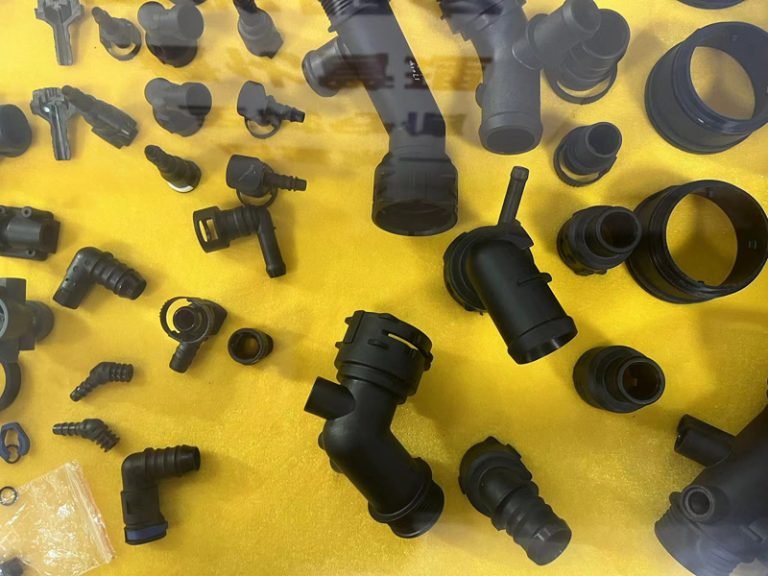
1. Injection Molding: Injection molding is the most common application of plastic molds. It involves injecting molten plastic material into a mold cavity under high pressure, allowing it to cool and solidify into the desired shape. Injection-molded components are used in industries such as automotive, consumer electronics, medical devices, packaging, and household appliances.
2. Blow Molding: Blow molding is used to create hollow plastic objects, such as bottles, containers, and tanks. The plastic mold is used to shape the molten plastic into the desired hollow form. Blow-molded products are widely used in the packaging industry and for manufacturing various plastic containers.
3. Thermoforming: Thermoforming is a process where a plastic sheet is heated and formed over a mold to create three-dimensional shapes. It is commonly used to produce packaging trays, blister packs, and other custom-shaped plastic components.
4. Rotational Molding: Also known as rotomolding, this process involves rotating a hollow mold filled with plastic resin in an oven. The plastic gradually coats the interior of the mold, forming the desired shape. Rotational molding is used to manufacture large, seamless plastic products like tanks, playground equipment, and water storage containers.
5. Compression Molding: In compression molding, plastic material is placed into a heated mold cavity, and pressure is applied to compress and shape the plastic. This method is often used to produce thermosetting plastics and parts with intricate designs.
6. Extrusion: Though not strictly a machining process, plastic mold machining is often involved in creating the extrusion dies used to produce continuous profiles or sheets of plastic. Extruded plastic products include pipes, tubes, sheets, and various profiles used in construction, automotive, and consumer goods.
7. Insert Molding: In this process, metal or other pre-formed parts are placed into the mold, and plastic is then injected around them, encapsulating the insert. This is common in industries like electronics, where connectors and metal components need to be integrated with plastic housings.
8. Overmolding: Overmolding is similar to insert molding but involves molding one plastic material over another. This process is used to create products with multiple colors or materials, improving aesthetics and functionality.
Plastic mold machining allows for the cost-effective mass production of plastic components with consistent quality, making it a vital process across a wide range of industries.