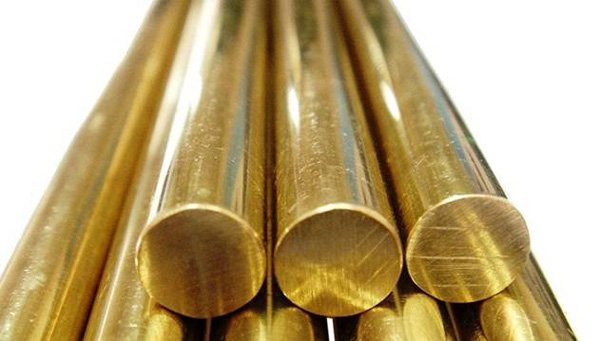
Brass, an alloy composed of copper and zinc, usually presents a yellow appearance. It has good mechanical properties and a unique gold-like color, and is widely used in the manufacture of various industrial products and handicrafts.
What is Brass?
Brass is an alloy of two elements, copper and zinc, which usually has a yellowish appearance, giving it the name “brass”. These two elements are mixed in different proportions to form various brass alloys with different properties.
Generally, the copper content is between 60% and 90%, while the zinc content is between 10% and 40%. Depending on the ratio of copper to zinc, brass alloys with different properties can be produced. As a rule, brasses with a higher copper content have better corrosion resistance and electrical conductivity, while brasses with a higher zinc content have higher strength and hardness.
In addition, brass can be modified by adding other metal elements (e.g., aluminum, lead, tin) to modify its properties for specific applications.
Properties that Make Brass Suitable for CNC Machining
Good Machinability
A relatively soft metal with good malleability and machinability. This makes brass easy to mill, drill, turn and other machining operations with CNC machines, with less wear and tear on tools.
Excellent Thermal Conductivity
This means that heat generated during machining is quickly transferred around the workpiece, helping to prevent overheating, improve cutting efficiency and reduce tool wear.
Low Friction Coefficient
The relatively smooth surface has a low friction coefficient, which helps to reduce friction between the cutting tool and the workpiece and improve tool life.
Superior Electrical Conductivity
Suitable for applications requiring electrical heating during processing or associated with electrical systems.
Malleability
Ability to retain its shape during machining and easy to perform cold or hot machining, suitable for complex shapes and fine detail machining.
Better Surface Quality
The high surface finish after machining meets the surface quality requirements of many applications. In addition, CNC machining allows for high precision and detailed cutting, enabling brass surfaces to achieve good finish and accuracy.
Low Cutting Force
Low cutting resistance allows higher cutting speeds and feeds to be used during machining, resulting in increased productivity.
Outstanding Welding Properties
Can be easily joined together by various welding methods (e.g., arc welding, gas shielded welding), which is important for parts that need to be assembled or repaired.
Wide Available
A wide range of grades are available, such as C230, C260, and C340, allowing the most suitable material to be selected according to specific application requirements.
Economical
Brass is often a cost-effective option compared to some more expensive metals.
Grades of Brass Commonly Used in CNC Machining
C230 Brass
A common brass with a reddish surface and a zinc content of 15%. This brass has good machinability, strength and corrosion resistance, which is widely used in all kinds of mechanical parts and decorations.
| Density | 8.53 g/cm3 |
| Melting Point | 905°C/1661°F |
| Thermal Conductivity | 113 W/m-K |
| Electrical Conductivity | 28.6 – 34.4 MS/m |
| Yield Strength | 110 MPa |
| Tensile Strength | 220 MPa |
| Elongation | 40% |
Good Corrosion Resistance
C230 exhibits good corrosion resistance in some corrosive environments and can maintain good performance in many environments. For projects requiring high corrosion resistance, such as piping used in marine environments, C230 brass is the preferred choice.
Easily Machined and Molded
Due to its good plasticity, C230 brass can be easily machined and molded. It can be bent into any other shape, making it suitable for manufacturing parts of all shapes and sizes.
C360 Brass – Free Cutting Brass
The most common type of machinable brass, known for its excellent free-cutting properties. It offers excellent formability, machinability, and optimum suitability for brazing operations and soldering.The lead in C360 brass acts as a lubricant, making it very easy to machine, which means faster production times and less tool wear.
| Density | 8.65 g/cm3 |
| Melting Point | 905°C/1661°F |
| Thermal Conductivity | 118 W/m-K |
| Electrical Conductivity | 26.5 – 27.5 MS/m |
| Yield Strength | 275 MPa |
| Tensile Strength | 410 MPa |
| Elongation | 15% |
High Speed Cutting
Due to its free-cutting nature, C360 can be machined at relatively high cutting speeds, which means higher efficiency and higher yields.
Excellent Wear Resistance
Leaded brasses generally have better wear resistance and sliding properties, which makes C360 brass ideal for the manufacture of bearings, bushings and other wear-resistant components.
C260 Brass
Containing 35% zinc and available in sheet form only, C260 brass is ideally suited for use in the manufacture of wear-resistant parts such as brass fasteners, hardware, and automotive due to its good cold working properties.
| Density | 8.53 g/cm3 |
| Melting Point | 905°C/1661°F |
| Thermal Conductivity | 120 W/m-K |
| Electrical Conductivity | 28.5 – 34.5 MS/m |
| Yield Strength | 90 MPa |
| Tensile Strength | 240 MPa |
| Elongation | 25% |
Favorable Wear Resistance
C260 has the ability to withstand higher loads due to its high strength and hardness, making it suitable for applications that require wear resistance, such as the manufacture of wear parts and connectors.
Corrosion Resistance
It has a certain degree of corrosion resistance, allowing it to show good stability in corrosive environments of a general nature.
C464 Brass – Naval Brass
Consists of copper, zinc and a small amount of tin. The presence of tin gives it excellent corrosion resistance and strength for applications requiring resistance to seawater and other harsh environments.
| Density | 8.50 g/cm3 |
| Melting Point | 905°C/1661°F |
| Thermal Conductivity | 119 W/m-K |
| Electrical Conductivity | 27 MS/m |
| Yield Strength | 310 MPa |
| Tensile Strength | 450 MPa |
| Elongation | 15% |
Excellent Corrosion Resistance
The outstanding feature is its excellent resistance to salt water corrosion at different temperatures, which makes it particularly suitable for applications exposed to corrosive media such as seawater. This makes it ideal for marine applications where durability and longevity are critical.
High Strength
Possessing relatively high tensile and yield strengths, it is able to withstand higher loads, making it suitable for a number of applications where high strength is required.
C385 Brass – Architectural Bronze
Not actually a bronze. Good forging properties and ease of fit make it heavily used in building and construction.
| Density | 8.53 g/cm3 |
| Melting Point | 905°C/1661°F |
| Thermal Conductivity | 120 W/m-K |
| Electrical Conductivity | 26.5-28.5 MS/m |
| Yield Strength | 275 MPa |
| Tensile Strength | 415 MPa |
| Elongation | 20% |
Well Resistant to Corrosion
It has a certain degree of corrosion resistance, so that it shows good stability in corrosive environments of a general nature. This characteristic is important for outdoor construction.
Excellent Machinability
Usually has good machinability and is suitable for cutting, cold forging and other shape forming processes. In addition, it has relatively high tensile and yield strengths for applications requiring high strength.
…
Surface Finishes for CNC Machined Brass Parts
Surface finish improves the mechanical and chemical properties of brass while adding to the aesthetics of the part.
Polishing
Used to remove surface imperfections, burrs and oxidized layers from brass parts, giving them a smooth, shiny appearance.
- Improved Appearance and Luster: Eliminates surface imperfections, scratches and uneven oxidized layers, giving the brass surface a smoother, brighter and more lustrous appearance, improving appearance quality.
- Increased Corrosion Resistance: Polished brass surfaces are smoother, reducing surface cracks and tiny pores, slowing down the development of corrosion and improving corrosion resistance.
- Enhanced Cleanliness: Polished brass is easier to clean and less susceptible to dust and dirt, making maintenance and cleaning more convenient.
- Better Electrical Conductivity: For some electronic applications, polished brass can improve its electrical conductivity, as surface defects and oxidized layers can impede the flow of electrical current.
Electroplating
A metal plating applied by electrochemical means to improve its corrosion resistance, abrasion resistance, electrical conductivity, or other specific properties.
- Increased Corrosion Resistance: The protective barrier formed by the plating reduces the chances of brass reacting with oxygen, moisture and other corrosive substances in the environment.
- Added Hardness: Plating creates a hard metal film on the surface of the brass, increasing the surface hardness. This helps to increase the wear and scratch resistance of brass parts.
- Improved Surface Smoothness: Plating can fill in minor surface depressions and irregularities, improving the surface smoothness of brass parts, which improves the look and feel.
- Enhanced Electrical Conductivity: Some plating materials, such as nickel or silver, have excellent electrical conductivity. As a result, plating can improve the conductivity of brass parts, making them more suitable for electrical connectors and other electrical applications.
Oxidation Treatment
A method of changing the color of a brass surface, improving corrosion resistance and adding a decorative effect. An oxide layer is formed by exposing the brass surface to oxygen and humidity, allowing it to oxidize naturally.
- Reduced Maintenance Requirements: The oxide layer formed on the surface slows down further oxidation of the brass, reducing the need for maintenance. This makes it easier to maintain the original appearance of the brass.
- Added Texture: Adding an oxidized layer to the brass surface creates a sense of depth and texture. This allows the brass to take on interesting colors and light effects when exposed to light.
- Uniqueness: Oxidization is a natural and unpredictable process and each brass piece is unique. This gives the brass item a unique appearance and helps to emphasize its individuality and character.
- …
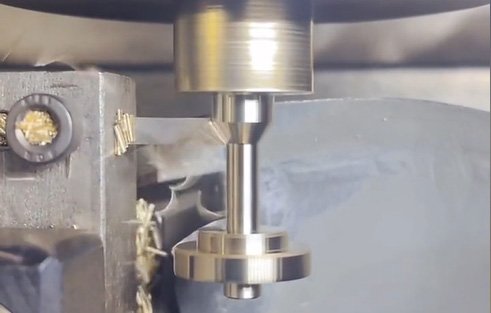
Considerations for CNC machining of Brass
Material Selection
Different grades of brass have different mechanical properties, corrosion resistance and machinability. Select the appropriate grade of brass according to the performance requirements of the part and the working environment.
Tool Selection
- Select the appropriate type, material and geometry parameters of the tool to suit the characteristics of the brass.
- Consider tool wear resistance, heat dissipation and cutting performance.
Cutting Parameters
- Set reasonable cutting speed, feed and depth of cut to ensure both high efficiency and quality of cut when machining brass.
- The brass allows higher cutting speeds, but care should be taken to avoid deformation of the workpiece caused by too high a feed rate.
Cooling Lubrication
While brass does have good heat dissipation properties, the use of appropriate coolants can significantly improve surface finish, improve cutting efficiency, reduce cutting temperatures, minimize tool wear and extend tool life. For brass, silicone or oil-based cutting fluids are typically used.
Clamping Methods
Choose the appropriate clamping method to ensure that the workpiece is held securely to avoid vibration and distortion. Brass is usually a relatively soft material, so special care should be taken when clamping.
Machining Path
- Reasonable design of cutting paths to avoid reducing machining efficiency due to overly complex trajectories.
- Arrange the tool path reasonably to reduce empty strokes and unnecessary tool changes to improve machining efficiency.
- …
Comprehensive consideration of these factors can optimize the brass CNC machining process and improve machining efficiency and product quality. In practice, adjustments and optimization are made according to specific brass alloys, part design and machining requirements.
Summary
Brass alloys have various beneficial properties. The corrosion resistance, machinability, higher electrical conductivity, and aesthetics of brass make it ideal for CNC machining. While the ease and benefits of brass machining outweigh the challenges, there are still some factors that need to be taken into consideration.
Whether for precision components or decorative items, the versatility and machinability of brass can significantly enhance the functionality and aesthetics of a product. However, brass machining is a complex process, you need a reliable partner to provide precision machining of brass parts.
We, CYCO, are a CNC precision machining specialist with over 20 years of experience. Whether your product is in the development stage or about to go into production, we can be of help. Contact us now to discuss your brass machining needs!