Casting inclusions, one of the unavoidable problems in the casting process, negatively affect the quality and performance of castings.
Introduction of Casting Inclusions
Casting inclusions are non-metallic impurities or intermetallic compounds mixed in the metal liquid during the casting process. They may be foreign matter or impurities introduced by factors such as sand core material, oxidation of the metal liquid, pouring turbulence, or core breakage. These inclusions may include sand particles, air bubbles, and oxides that form inside or on the surface of the casting. They can potentially affect the mechanical properties, chemical composition and appearance of the casting. These inclusions can seriously affect the mechanical properties, corrosion resistance and appearance quality of castings.
Reduction of casting inclusions is usually achieved by improving the purity of raw materials, optimizing the melting and slag removal process, adopting filtration and purification technology, rationally designing the pouring system and cooling system. In order to ensure the quality of castings, the use of testing methods can ensure the performance and reliability of castings.
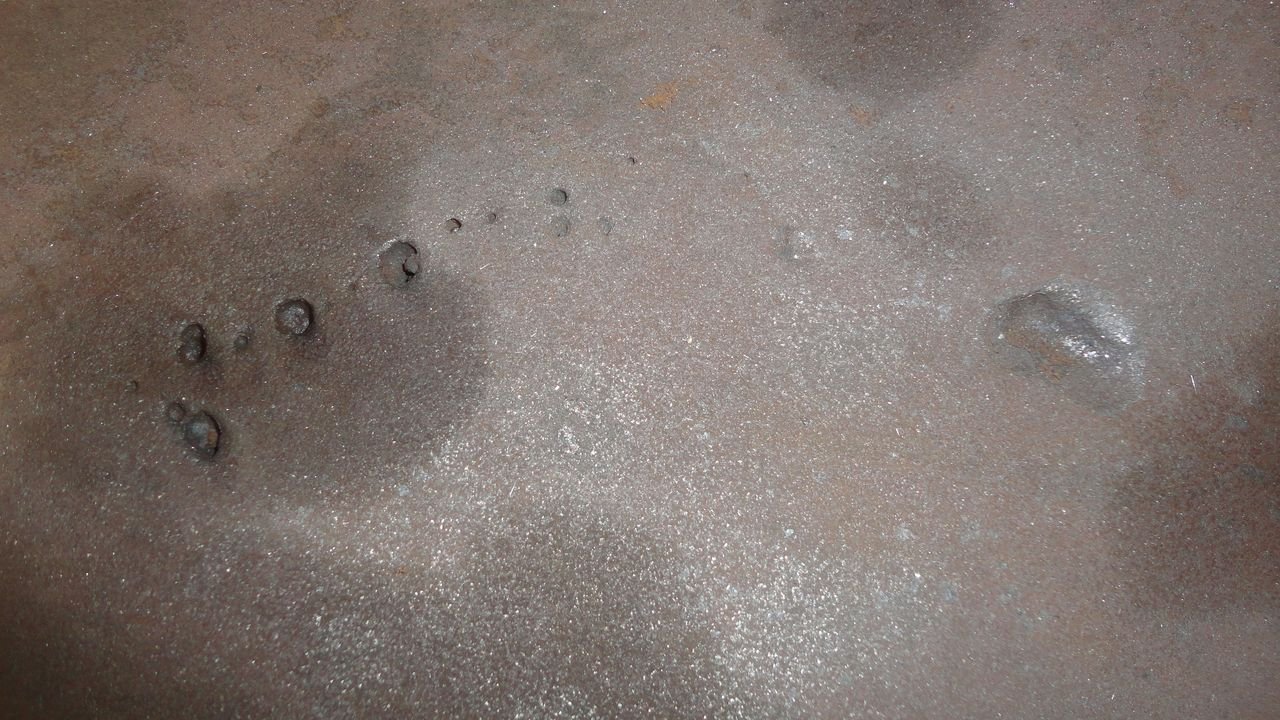
Types of Casting Inclusions
Casting inclusions are foreign matter or impurities introduced by various factors, which may adversely affect the performance and quality of castings.
The following are some common types of casting inclusions:
- Porosity/Bubble: Cavities formed during the casting process due to the release of gases from the metal liquid. They may be tiny bubbles or larger pores that affect the denseness and mechanical properties of the casting.
- Sand inclusions: Breakage or residue of the sand mold or sand core, resulting in the presence of sand particles in the casting. It may affect the surface quality and mechanical properties of castings.
- Metal oxides: When the metal liquid is in contact with air, oxidation reaction may occur, resulting in oxide inclusions. The mechanical properties and surface quality of the castings are negatively affected.
- Slag inclusion: Some non-metallic substances entrapped in the casting process. For example, compounds of sulfur, phosphorus and other elements are known as slag or inclusions. The strength and corrosion resistance of the casting may be adversely affected.
- Carbide: If the element carbon exists in the metal liquid, carbides may be formed under appropriate conditions. These carbides present in the casting may affect its mechanical properties.
- Sulphides: They may form as a result of the combination of sulphur elements with metal components that negatively affect the strength and toughness of the casting.
Causes of Casting Inclusions
Castings inclusions arise mainly from the casting process of various factors. The following are the main causes of casting inclusions:
- Poor quality of sand mold and sand core materials: If the quality of the sand mold or sand core used does not meet the standard, it may lead to impurities. These impurities are entrained into the casting during the casting process and form inclusions.
- Oxidation of metallic liquids: Metallic liquids that contact the air during the casting process are easily oxidized and produce oxides. These oxides may become inclusions that affect the quality of the casting.
- Turbulence in the casting process: The flow of metal liquid may cause turbulence, which will make the surrounding air or sand particles mix into the metal liquid to form inclusions.
- Breakage of sand molds and cores: Sand molds and cores may break due to mechanical vibration, temperature changes or other reasons. This results in sand particles from them entering the casting.
- Improper pouring temperature and speed: Too high or too low a pouring temperature, too fast or too slow a pouring speed can lead to inclusions. Temperature and speed control is essential to ensure that the metal liquid does not introduce external impurities during the flow process.
- Impurities in the metal liquid: The metal liquid itself may contain some impurities, such as sulfur, phosphorus and other elements. These elements may combine to form sulfides or phosphides during the casting process.
- Poor quality of the charge: The charge itself may contain a high level of non-metallic impurities such as oxides, sulfides, nitrides, and others. In addition, severe rusting or improper storage of the charge can lead to an increase in impurities.
- Improper solution treatment: Inoculants and spheronizers added in the inoculation and spheronization treatments are not completely melted or reacted, which will form new inclusions.
Impact of Casting Inclusions
Casting inclusions affect the performance, quality and reliability of castings in many ways. Including but not limited to the following points:
Reduced Mechanical Properties
The presence of inclusions can lead to localized stress concentrations within the casting, reducing the overall strength and toughness of the casting.
Some larger or harder inclusions may become crack initiators, resulting in reduced fatigue life of the casting.
Brittle inclusions can lead to a reduction in material plasticity and toughness, increasing the risk of brittle fracture.
Lower Surface Quality
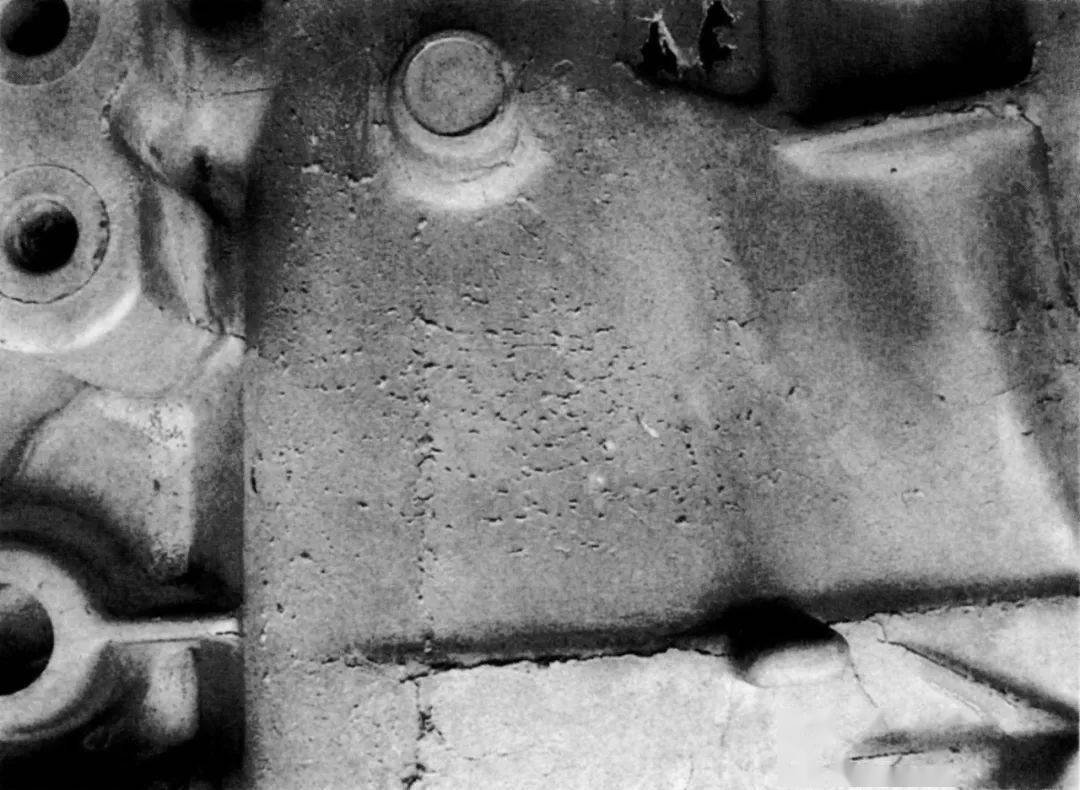
Inclusions may form defects on the surface of the casting, such as bubble marks and holes, which degrades the appearance of the casting. The impact is particularly significant in applications that require a high level of appearance, such as automotive components or decorative parts.
Changes in Chemical Composition
Certain inclusions, such as sulfides and phosphides, may change the chemical composition of the casting.
Elevated levels of impurities in the metal affect the corrosion performance and durability of the castings.
Increased Machining Difficulty
The presence of inclusions makes subsequent machining and manufacturing difficult to achieve the desired process requirements, increasing the difficulty and cost of machining.
Limited Heat Treatment Effect
Casting inclusions may affect the effect of heat treatment, reducing the hardening properties of heat treatment.
Greater Difficulty in Non-Destructive Testing
Inclusions make non-destructive testing of castings more difficult. These inclusions can be hidden inside the casting and are not easily detected by conventional inspection methods.
Reduced Corrosion Resistance
Inclusions may alter the local chemical environment, making the area more susceptible to corrosion.
Weakened Welding Performance
Non-metallic inclusions may become impurities in the molten pool during the welding process. This affects the quality of the weld, causing hot and cold cracks.
Detection of Casting Inclusions
- X-ray Inspection: A non-destructive inspection method by using X-rays to irradiate castings. Measurement of transmitted or scattered X-rays allows clear observation of inclusions inside the casting, including air holes, sand particles, metal slag, and more.
- Ultrasonic Inspection: Transmit ultrasonic waves into the casting to detect inclusions based on the speed and reflection of ultrasonic waves traveling through different materials. This is a non-destructive inspection method with high sensitivity and high resolution. It is particularly suitable for finding small inclusions inside the casting.
- Magnetic Particle Detection: Coat the surface of the casting with magnetic powder, which will create a magnetic field disturbance around the inclusions, forming a magnetic particle buildup. This method is more effective in finding inclusions on or near the surface of the casting.
- Metallographic Microscope Test: Place the metallographic section of the casting under a metallographic microscope for observation. The type, distribution and shape of inclusions can be clearly seen. This is an applicable method for studying the organization and structure of inclusions.
- Thermal Imaging Inspection: Utilize infrared thermal imaging technology to detect the temperature distribution on the surface of the casting. Inclusions usually cause localized temperature changes, so the location of inclusions can be observed by infrared thermography.
- Coating: A layer of special fluorescent coating is applied to the casting surface. When irradiated with UV light, the fluorescent coating glows around the inclusions allowing the location and shape of the inclusions to be clearly observed.
- Eddy Current Detection: Detect inclusions on the casting surface by eddy current method. When inclusions exist, the resistance or inductance of the eddy current sensor will change. By detecting this change, the location and size of inclusions can be determined.
Prevention of Casting Inclusions
Key steps to ensure the quality of casting, the following are some common preventive measures:
Raw Material Control
Select high purity metal raw materials to reduce the presence of inclusions at the initial stage.
Carry out necessary pre-treatment of raw materials, such as descaling, de-oiling and drying.
Melting Process Management
Fully clean the charge before melting to remove surface oxidized skin, rust and impurities.
Use suitable deoxidizers and refiners to reduce the oxygen, sulfur and nitrogen content in the metal liquid for reducing the generation of oxides, sulfides and nitride inclusions.
Enhance stirring and temperature control during the melting process to ensure adequate reaction and avoid overheating to produce new inclusions.
Slag removal at the end of the melting process to remove as much slag as possible from the liquid metal surface.
Filtration and Purification
Install filtration devices in the pouring system, such as ceramic foam filters, fiberglass filters or wire mesh.
Effective filtration of the liquid metal removes particulate inclusions.
Pouring System Design
Design a reasonable pouring system to ensure the smooth flow of liquid metal. Avoid excessive turbulence to introduce air or sand and dust in the cavity.
Improve the slag blocking capacity and set up slag collecting structure to prevent inclusions from entering into the casting.
Quality of Model Sand and Coating
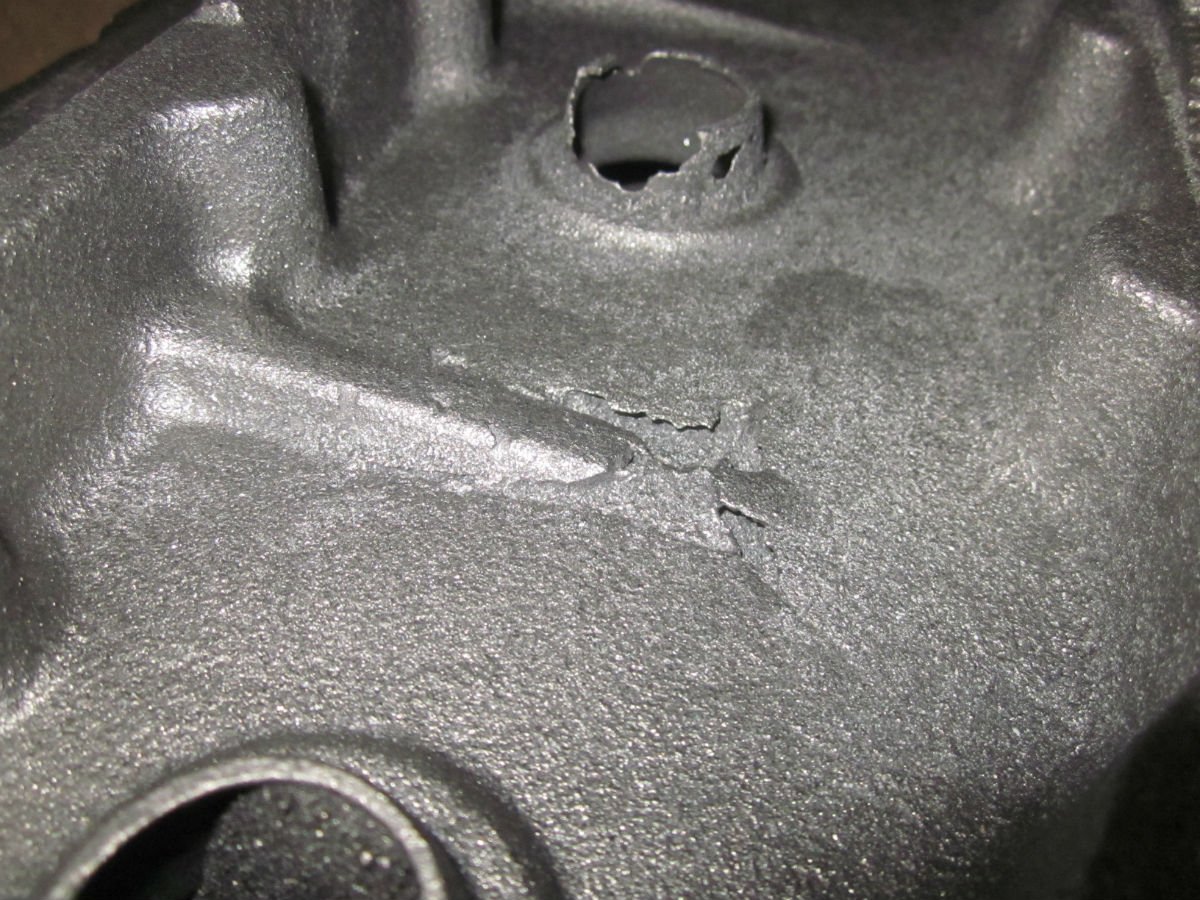
Improve the strength and fire resistance of molded sand. Ensure that it will not be flushed at high temperatures, and reduce the possibility of sand particles mixing into the casting.
Select high quality casting coatings and ensure that they are evenly applied and adequately baked. This reduces inclusions caused by peeling off of the coating.
Cooling and Solidification Control
Control the cooling rate of the casting to promote the dissolved gases in the liquid metal have enough time to escape. This reduces the formation of porosity inclusions.
Post-cleaning and Inspection
After solidification of the casting, carry out sand cleaning in time to remove possible residual sand and adherents.
Use non-destructive testing methods such as X-ray flaw detection and ultrasonic testing to check whether there are inclusions inside the casting.
Summary
In general, the generation of casting inclusions may suffer from various factors such as sand core material, metal liquid, pouring process and so on. The presence of inclusions poses a potential threat to the mechanical properties, chemical composition and appearance quality of castings. In order to ensure the quality of castings, there are many detection methods and preventive means that can be used. Through the comprehensive application of these precautions, the generation of inclusions can effectively reduce to improve the quality and performance of castings.
Why CYCO
CYCO, as a company with more than 20 years of experience, specializes in various precision casting machining. We can ensure that the castings we produce are free of casting inclusions that affect performance.
We select high quality metal alloys, sand molds and core materials.
We develop a detailed casting process to ensure that each step is performed according to specifications and standards.
We use advanced metal liquid treatment technology to minimize the presence of gases and oxides.
We establish a robust quality management system to ensure that quality control covers the entire production process.
We review and evaluate the casting process regularly, to collect data and analyze the causes of inclusions.
If you need high quality castings for your project, please contact us!