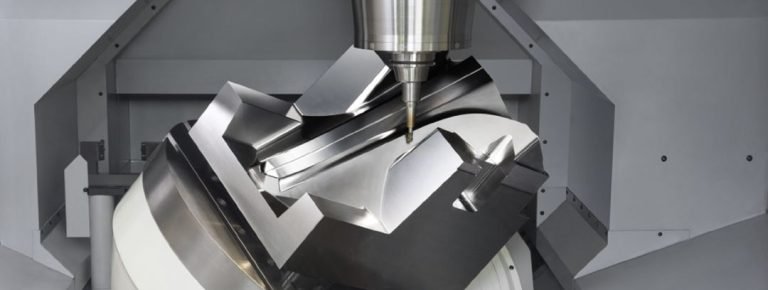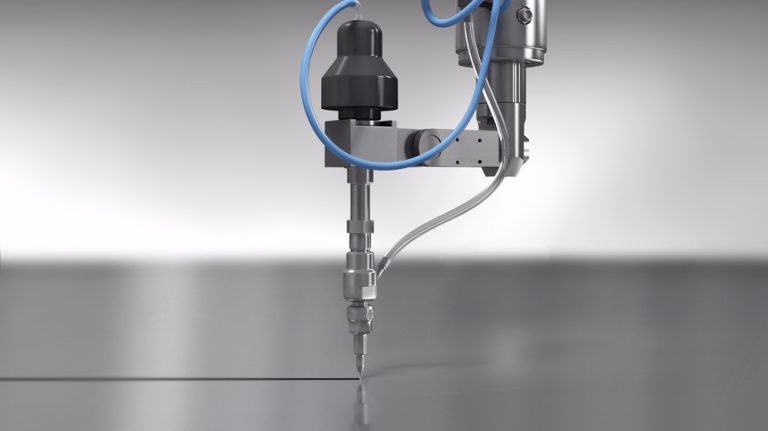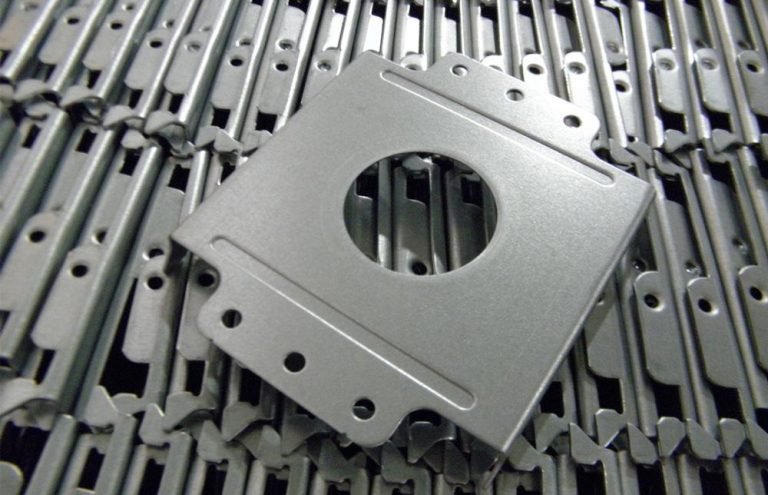
Metal CNC machining is a manufacturing process that utilizes computer numerical control (CNC) technology to shape and form metal workpieces. It involves the use of computer-controlled machines, such as mills, lathes, and routers, to precisely remove material from a metal workpiece and create the desired shape or part.
Classification of Metal CNC Machining:
1. Milling: In milling, a rotating cutting tool removes material from the workpiece to create various features, such as slots, holes, and complex 3D shapes.
2. Turning: Turning involves rotating the workpiece while a cutting tool removes material from the surface to create cylindrical parts like shafts, rods, and discs.
3. Drilling: Drilling uses rotating drill bits to create round holes in the metal workpiece.
4. Boring: Boring is a process used to enlarge or refine existing holes in a workpiece by using a single-point cutting tool.
Characteristics of Metal CNC Machining:
1. Precision: CNC machines are known for their high precision and accuracy. They can achieve tight tolerances, ensuring that the final metal part meets the required specifications.
2. Versatility: Metal CNC machining is versatile and can be used to produce a wide range of parts, from simple to complex geometries. The machines can be programmed to create intricate designs and features.
3. Efficiency: CNC machining allows for efficient and rapid production. Once the program is set up, the machines can operate continuously, reducing production time and increasing productivity.
4. Reproducibility: CNC machining offers excellent reproducibility, meaning that multiple identical parts can be produced with consistent quality. This is especially crucial for industries that require mass production.
5. Material Compatibility: Metal CNC machining is suitable for a variety of metals, including steel, aluminum, brass, titanium, and more. Different machining techniques and tooling can be applied to accommodate various metal properties.
6. Complex Machining Capabilities: CNC machines can perform complex operations like multi-axis machining, which allows for simultaneous cutting from multiple directions. This capability enables the production of intricate and highly detailed metal parts.
7. Automation and Programming: CNC machines are operated using computer programming. This allows for automation, reducing the need for manual intervention and minimizing human error.
8. Cost-Effective: While initial setup costs for CNC machining can be relatively high, the long-term cost-effectiveness is often significant due to reduced labor requirements, high production rates, and minimized material wastage.
9. Finishing Options: CNC machining can produce near-net shape parts that may require minimal post-processing. However, additional surface finishes, coatings, and treatments can be applied to enhance the aesthetics, corrosion resistance, or other desired properties of the metal parts.
Metal CNC machining is widely used in various industries, including automotive, aerospace, medical, electronics, and many others due to its precision, versatility, and efficiency in producing high-quality metal components.