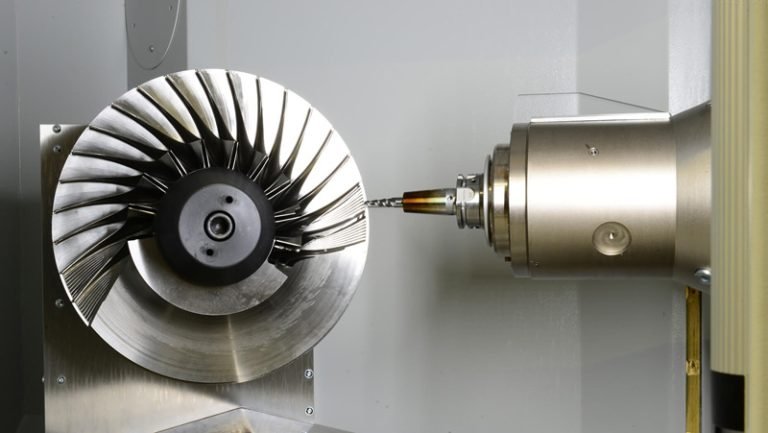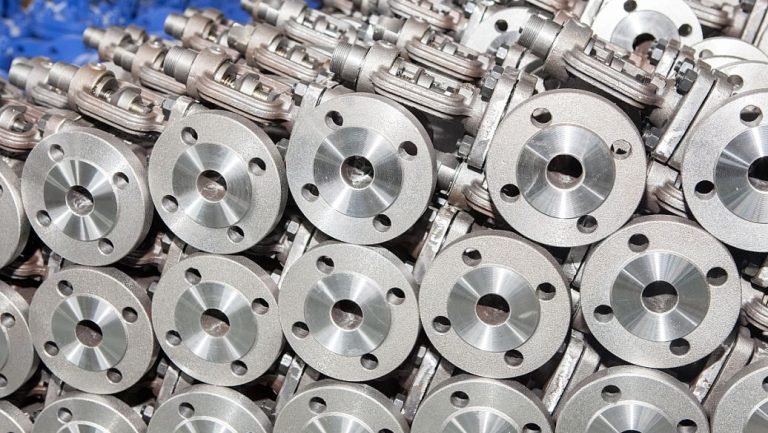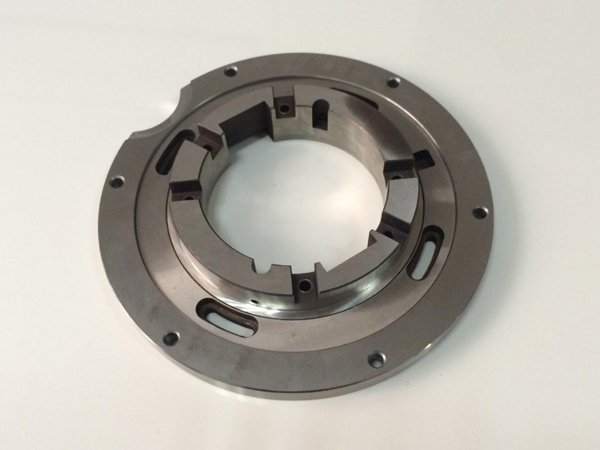
Die forging is a manufacturing process in which a metal material is placed in a die and pressure is applied to deform it. This process is capable of producing metal parts with precise shapes and sizes.
Concept of Die Forging
A metal forming process. By placing a metal material heated to a certain temperature into a mold of a preset shape, and then applying pressure with a hammer or a press. The metal material deforms plastically within the mold and will eventually form a part that is the same shape and size as the mold. In this process, the die restricts the direction of metal flow, resulting in forgings with high dimensional accuracy, good surface quality and internal organization.
The process usually includes steps such as heating, plastic deformation, cooling and treatment of the material to obtain excellent mechanical properties and accurate dimensions. This process has significant advantages in the production of high-strength, high-precision metal parts. It is capable of producing forgings with precise dimensions, complex structures and excellent mechanical properties. It is suitable for mass production and high efficiency manufacturing. It is widely used in various industrial fields, such as aerospace, automotive, and machinery manufacturing, for the manufacture of gears, shafts, blades, housings and other important parts.
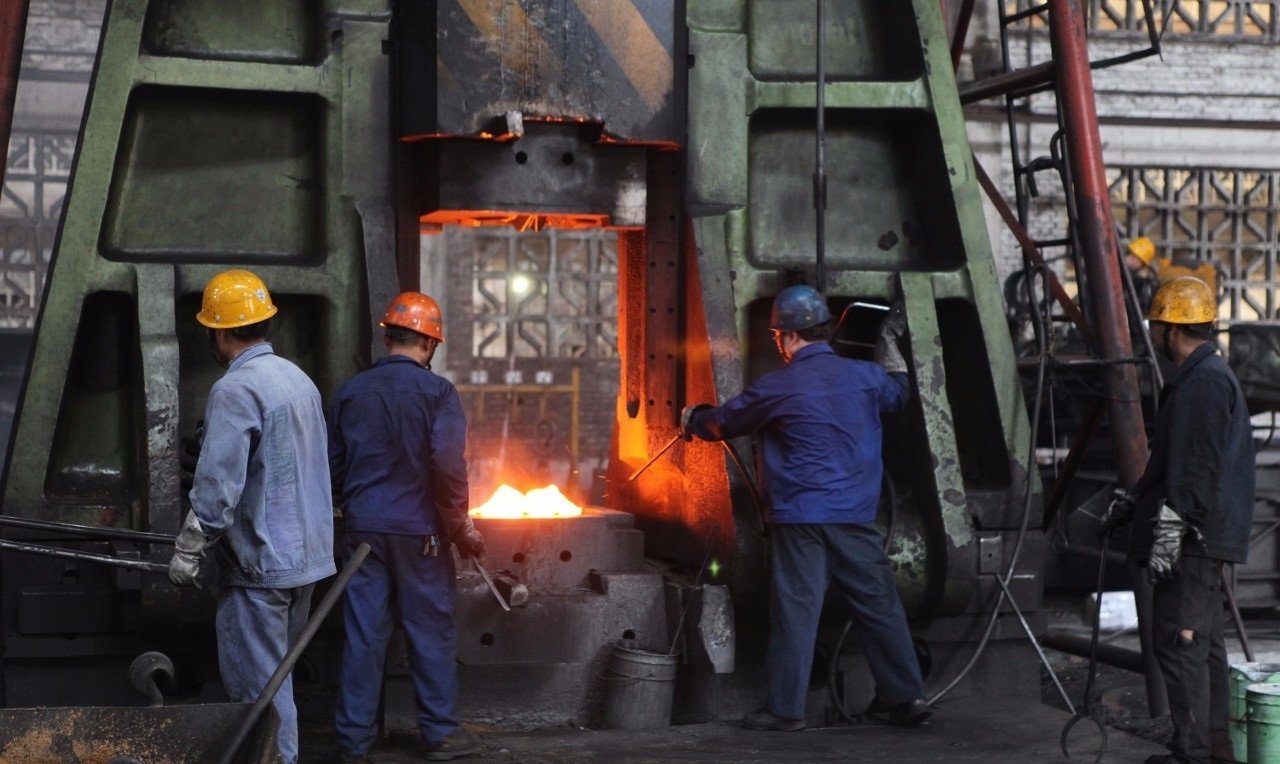
Classification of Die Forging
According to the use of the mold, it is divided into open die forging and closed die forging. It mainly depends on whether the metal material is enclosed in the mold during the forging process.
Open Die Forging
It is also known as flat die forging, blacksmith forging and hand forging. It is a metal forging process that does not use a closed die in the forging process. In open die forging, heated metal material is placed between open dies. The metal material is plastically deformed vertically by hammers, presses, or other ways to form the desired shape of the part. This type of forging is typically used in the production of large, heavy parts.
The most notable feature is that there is no closed die. The metal material is not confined to a mold with a specific geometry during the forging process. This makes the process more flexible. In addition, it usually requires several forging presses to adjust the shape and gradually bring it to the desired final shape.
Closed Die Forging
A process of forging metallic materials with closed dies to obtain a finished product with precise shape and dimensions. The heated metal material is precisely placed into a completely closed die and pressure is applied to the metal material by a hydraulic press, mechanical press, or other force applying equipment. The metal material deforms plastically within the die, resulting in a part of the desired shape and size.
The most distinctive feature is the use of a closed die. The mold usually consists of an upper and lower portion that accurately holds the metal material. Closed die forging is able to produce parts with precise shapes and sizes because the die defines the shape and internal structure of the final product.
Open Die Forging vs. Closed Die Forging
| Open die forging | Closed die forging | |
| Dies | Unenclosed dies. | Closed dies. |
| Shape adjustment | The shape of the finished product is not clearly defined and usually requires multiple forging to adjust the shape. | The shape and size of the final product is defined by the mold and is formed in a single run. |
| Costs | Low, more suitable for small batch production. | High, but costs can be spread out in mass production. |
| Material utilization | Low, more flying edges and waste may occur during the forging process. | Efficient use of materials. |
| Accuracy | Low | High |
| Surface quality | Depends on the skill level and experience of the operator. | Surface quality is good and highly consistent, as metal flow is tightly controlled. |
| Efficiency | Relatively low, requiring more manual intervention and adjustment. | The advantage of one-shot molding improves productivity and is suitable for mass production. |
| Parameter control | Depends on the experience and skill level of the operator. | More precise control of parameters such as pressure, speed, temperature and time. |
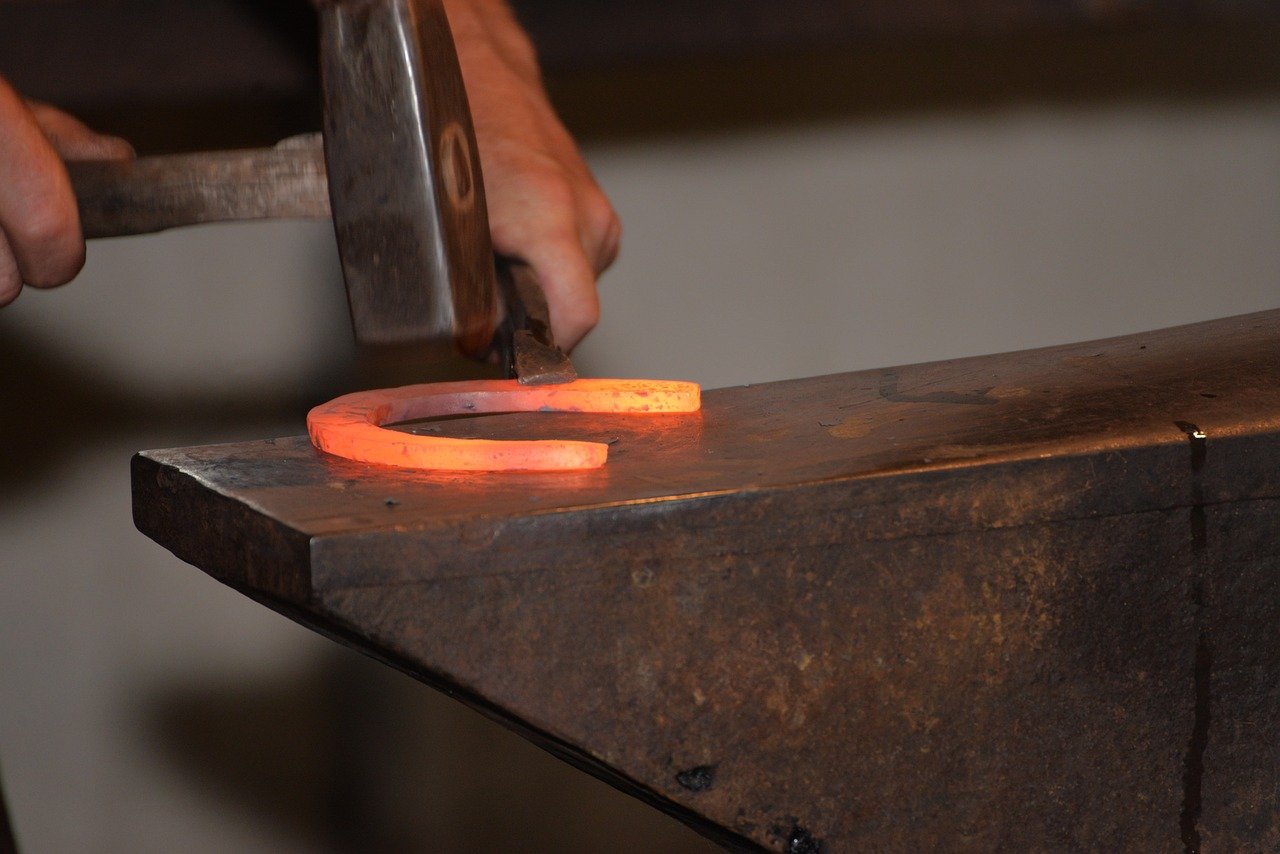
Process of Die Forging
- Material preparation: Choose the appropriate metal material and determine the material specification and size according to the requirements of the product.
- Heating: Depending on the type of material and the desired forging effect, heat the metal material to the appropriate temperature. Usually within its thermoplastic range. Heating helps to increase the plasticity of the material and reduces its resistance to deformation, making it easier to deform during the forging process.
- Removal of oxidized skin: Oxidized skin may develop on the surface of the heated material. This needs to be removed before forging to ensure the quality of the forgings and the life of the dies.
- Placement of material: The heated metal material is placed in the working area of the forging machine, ready for forging.
- Blanking: Preliminary shaping of the preheated material, which may include operations such as upsetting, drawing, and bending.
- Forging: Depending on the shape, size and material of the part, choose open die forging or closed die forging.
Open die forging: The metal material is gradually adjusted in shape by forging several times in an unclosed die. The operator gradually achieves the desired final shape by adjusting the position of the metal material according to the product requirements.
Closed die forging: The metal material is placed between two or more closed dies and fills the die cavities under applied pressure. Precise shapes and dimensions are obtained in a single pass. - Cooling: After completion of forging, the forging piece needs to cool in order to stabilize its structure.
- Trimming: Removal of flying edges and other excess material produced during the forging process to ensure dimensional accuracy and surface quality of the forgings.
- Heat treatment: Appropriate heat treatment processes, such as annealing, normalizing, quenching and tempering, are applied to the forgings. This step can improve its mechanical properties and internal organization.
- Surface cleaning: Remove oxidized skin, burrs and other impurities on the surface of the forging to improve the surface quality and appearance.
- Calibration: If the forgings deform or deviate in size during the forging process, a calibration operation may be required to ensure that they meet the design requirements.
- Inspection: Various inspections are carried out on completed forgings, including dimensional checks, surface quality checks and mechanical property tests. The inspection ensures that it meets the technical standards and requirements for use.
- Subsequent machining: Depending on the requirements, the forgings may also need to be machined, welded, assembled or other subsequent processing steps to complete the manufacture of the final product.
Pros and Cons
Pros
Open Die Forging
- Flexibility: Parts of the die are open, allowing the metal to flow freely in the vertical direction. It can adapt to the production of a variety of complex shapes and parts with large variations in size.
- Relatively low initial investment: Compared to the closed die forging, the open die forging may require less equipment, and the initial investment cost is smaller. More economical and practical for small enterprises and workshops.
- Suitable for small batch production: Since the open die forging process requires more manual intervention and adjustment, it is more suitable for small batch production and customized parts manufacturing.
- Improved internal structure: The ability to improve the internal structure of the metal through plastic deformation improves the strength, hardness, toughness and fatigue properties of the part.
- Enhanced machinability: The process involves a significant amount of deformation work, and the end product typically has better mechanical properties such as strength and toughness.
Closed Die Forging
- High precision: One-shot molding can obtain precise shape and size, which ensures a high degree of manufacturing precision of the product. Suitable for parts with strict size requirements.
- Highly repeatable: The closed mold makes the production process of closed die forging highly repeatable, which is conducive to maintaining the consistency of product quality.
- Suitable for complex shapes: Suitable for parts with complex shapes and internal structures, such as gears, reducer parts and connecting rods.
- One-shot molding: Usually able to be completed in a one-shot molding process. This reduces the need for subsequent machining and adjustments to increase productivity.
- Increased productivity: Due to the one-shot process and the high degree of repeatability, closed die forging is often able to complete a cycle in a shorter period of time.
- Suitable for high volume production: Despite the high cost of mold manufacturing, it is possible to spread the cost over mass production, making it an effective option for high volume production.
- High material utilization: High material utilization can usually be achieved, reducing waste and improving the economics of production.
Cons
Open Die Forging
- Lower accuracy and consistency: Since the die is partially open, the metal can flow freely in the vertical direction. This may result in less dimensional accuracy and surface quality than closed die forging, as well as poorer consistency.
- Poor material utilization: During the forging process, the metal may flow in the open direction, resulting in partial loss of material.
- Less efficient production: Usually requires more manual intervention and adjustments, which may reduce production efficiency.
- Difficulty in controlling local deformation: The metal material is forged in a free state and local deformation may be more difficult to control. This may lead to some localized inconsistencies in performance or shape.
- Higher scrap rates: Due to the relatively low precision and consistency of open die forging, scrap rates can be higher than closed die forging, which can increase production costs.
Closed Die Forging
- High die cost: Closed dies are relatively expensive to manufacture. Especially for small production runs or parts with complex shapes, the cost of manufacturing dies can become a significant overhead.
- Long adjustment and set-up times: It usually takes time to make and change a die, which can lead to long downtime in the production line.
- Not suitable for all shapes: The design of the die limits the shapes that can be produced, and certain complex or shaped parts may not be suitable for closed-die forging.
- Fixed shapes and sizes: Shapes and sizes are relatively fixed. If there is a need to fine-tune or change the shape, the mold may need to reshape and remanufacture, which adds additional cost and time.
- Less flexibility: The production process is relatively fixed and is not suitable for frequently changing production requirements.
- Possibility of localized deformation: High pressure on the metal material in a confined mold may lead to localized deformation, which is difficult to avoid completely.
- Concentration of stress: The flow of metal in a closed mold may lead to localized stress concentrations. This risk can be reduced by proper design and processing.
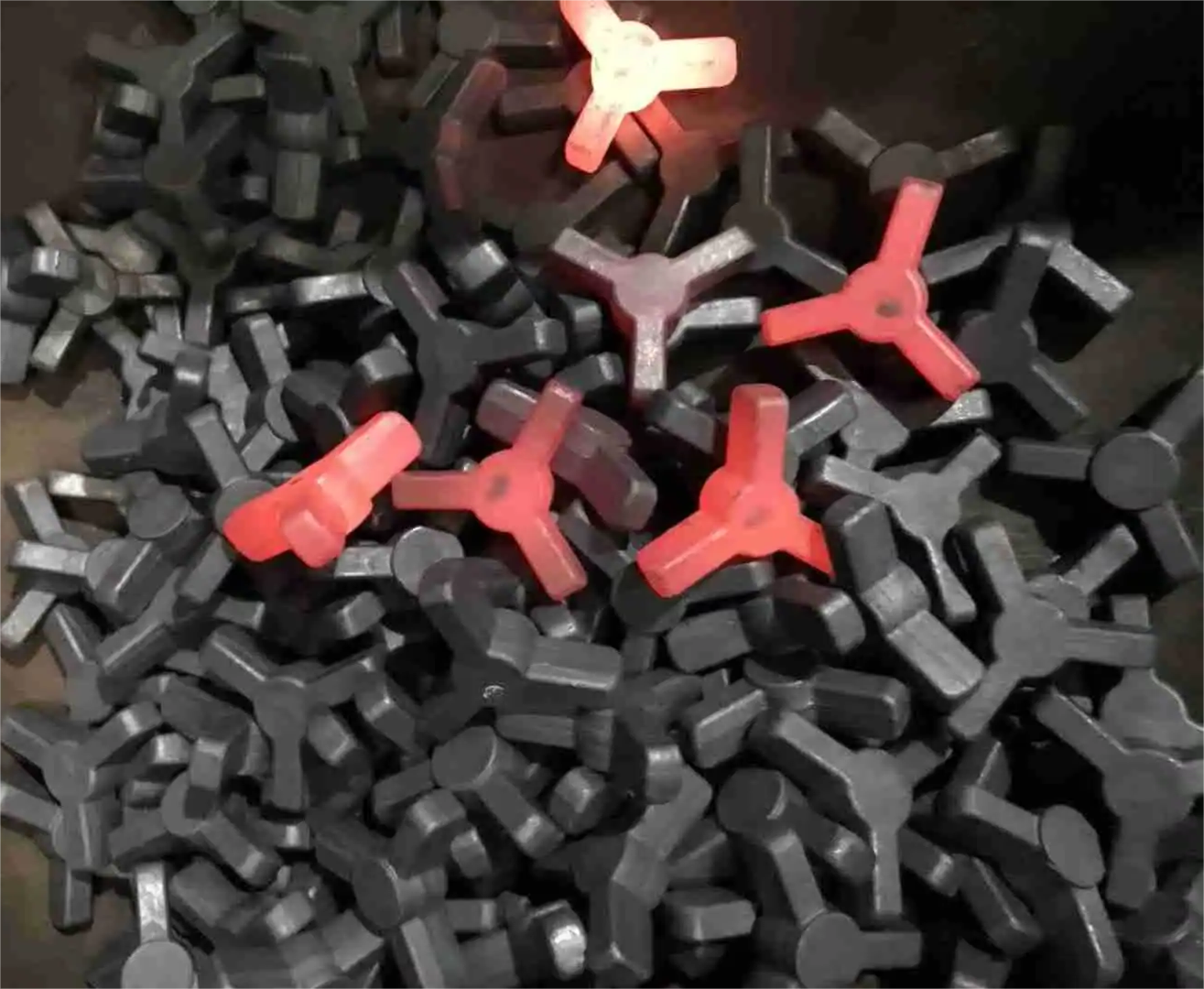
Applications
| Industries | Applications |
| Automobile | Various automotive parts, engines and chassis systems. |
| Aerospace | Engine parts, aircraft structural components, missile parts. |
| Energy | Turbine blades, shaft parts. |
| Railroad transportation | Parts and components of railroad vehicles, such as wheels and axles. |
| Infrastructure | Connectors, support structures. |
| Engineering machinery | Key components of excavators, bulldozers and cranes. |
| Shipbuilding | Components for ship propulsion systems, such as propellers, shafting components, and marine engine components. |
| Electrical power | Rotors for generator sets, blades for turbine generators. |
Summary
In modern manufacturing industry, die forging plays an important role as a key metal fabrication technology. By placing the metal material in the forging mold, the process can make the metal plastic deformation under high temperature and high pressure. It provides strong support for the production of high-quality, high-performance parts.
Open die forging and closed die forging, as the two main forms, each has its own characteristics and scope of application. Open die forging with its flexibility and adaptability, especially suitable for small batch production and complex shape parts manufacturing. While closed die forging is more suitable for mass production and manufacture of high-precision parts due to its high precision, high efficiency and good economic benefits.
Despite its significant advantages, die forging faces some challenges and limitations. When choosing a metal fabrication process, it is necessary to weigh these factors and make the right choice for your specific needs. All in all, die forging plays an irreplaceable role in the manufacturing industry. It provides high-performance, high-quality metal parts for various industries and promotes the development and advancement of modern engineering technology.
Why CYCO
Choosing our company, you will benefit from many superior services:
- High-quality products: We adopt advanced die forging technology and equipment, and strictly control every link in the production process. We ensure to provide you with high quality and high precision die forging parts.
- Rich experience: Our company has extensive experience and expertise in the field of forging machining, and is capable of handling various complex part design and manufacturing needs. Whether it is open die forging or closed die forging, we can provide professional solutions.
- Flexible customization: Every need is unique to each customer, so we offer flexible customization services. We can process die forging according to your specific specifications and requirements to meet your individual needs.
- Fast delivery: We understand the importance of time for business. We are committed to improving production efficiency and ensuring fast delivery to meet your needs.
- Perfect service: We provide not only die forging service, but also one-stop solution. Our services include product design, material selection, process optimization, quality inspection, logistics and distribution, ensuring you enjoy a worry-free service experience throughout the entire cooperation process.
- Quality Assurance: We strictly implement international and domestic quality standards. We conduct comprehensive quality inspection and control of every single forging part to ensure that the performance and safety of our products exceed the industry standards.