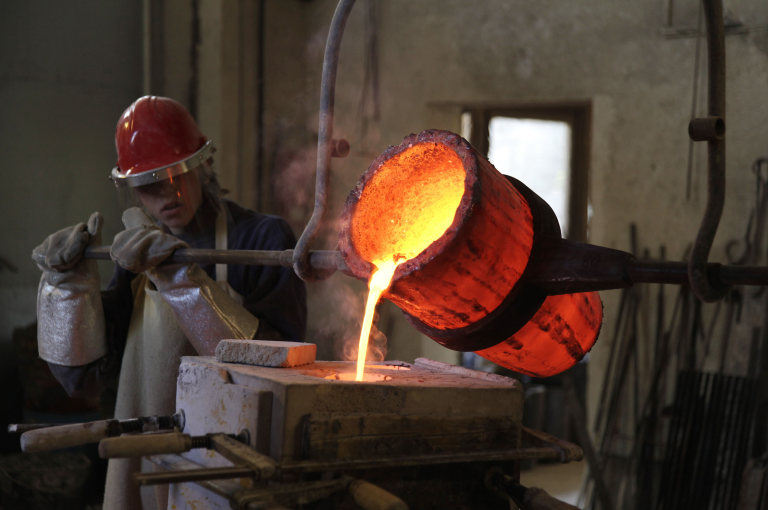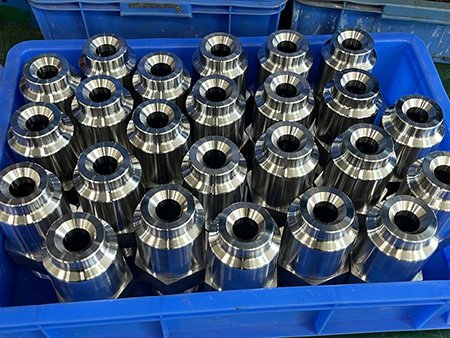
The injection molding process refers to the process of creating semi-finished parts of a certain shape by melting raw materials and performing operations such as pressurization, injection, cooling, and ejection. The injection molding process for plastic parts mainly includes six stages: Clamping – Filling – (Gas Assist, Water Assist) Holding Pressure – Cooling – Opening – Ejection.
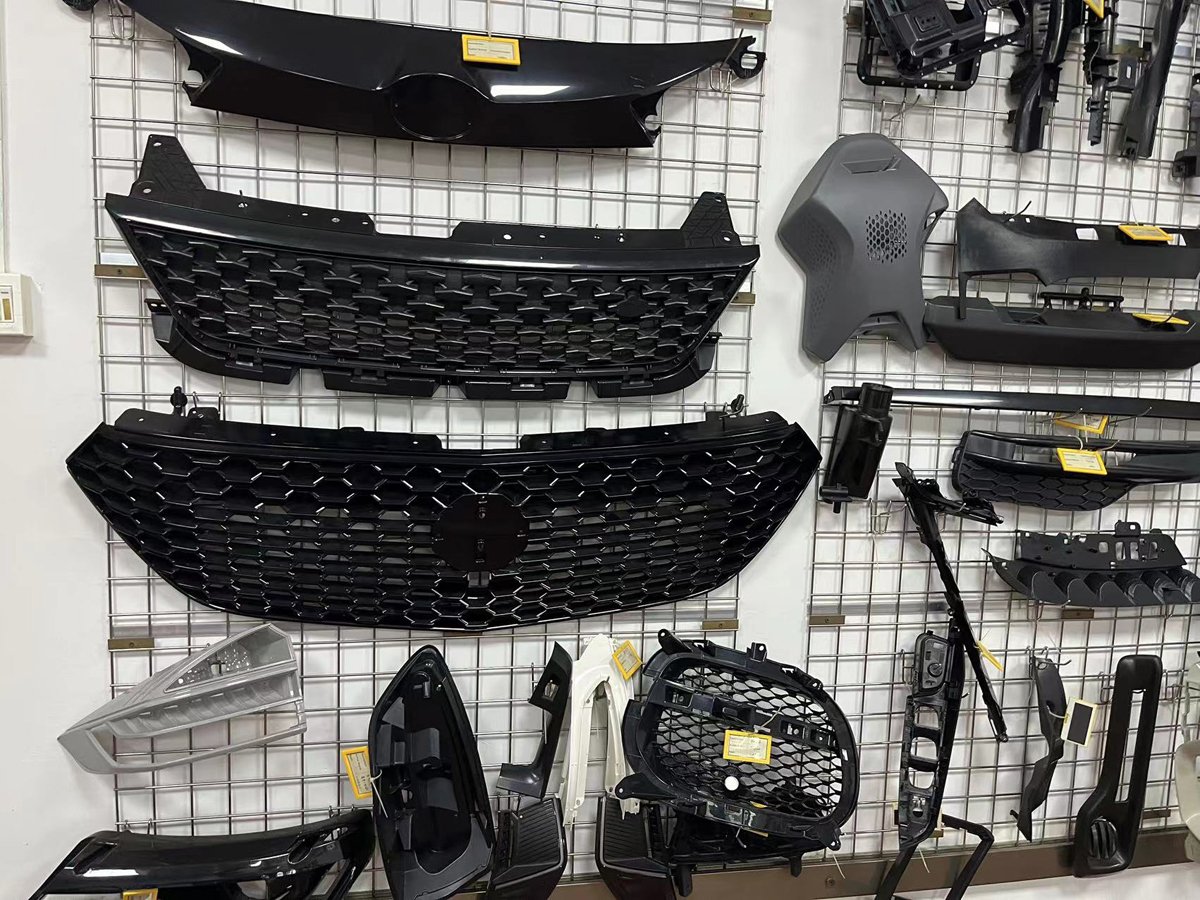
Process Flow
The injection molding process mainly consists of six stages: Clamping – Filling – Holding Pressure – Cooling – Opening – Ejection. These six stages directly determine the quality of the formed product, and they form a complete continuous process. This chapter focuses on the four stages of filling, holding pressure, cooling, and ejection.
Filling Stage
Filling is the first step in the entire injection cycle process, starting from the closure of the mold and counting from the injection. It continues until the mold cavity is filled to about 95%. In theory, shorter filling time leads to higher molding efficiency. However, in actual production, molding time (or injection speed) is constrained by many factors.
High-speed Filling: During high-speed filling, the shear rate is high. Due to the shear-thinning effect, the plastic experiences a decrease in viscosity, reducing the overall flow resistance. Local viscous heating effects also lead to a thinner solidified layer. Therefore, during the flow control stage, filling behavior often depends on the volume to be filled. In this stage, high-speed filling results in significant shear-thinning effects, with limited cooling effects on thin walls, thus favoring the rate.
Low-speed Filling: In cases where heat conduction controls low-speed filling, the shear rate is low, and local viscosity is high, resulting in higher flow resistance. Slow flow due to slower supply rates of thermoplastic leads to more pronounced heat conduction effects. Heat is rapidly taken away by the cold mold walls. With limited viscous heating and slow flow, thicker solidified layers and increased flow resistance in thinner wall areas occur.
Due to the fountain flow phenomenon, polymer chains ahead of the flow front align almost parallel to it. When two flows of molten plastic intersect, the high-molecular-weight chains on the contact surface align parallel to each other. Additionally, since the two molten flows have different properties (different dwell times, temperatures, pressures), the joint area has weak microscopic structural strength. When observing the part at an appropriate angle under light, visible joint lines can be seen, which is the mechanism behind weld lines. Weld lines not only affect the appearance of the plastic part but also have a loose microscopic structure, making them prone to stress concentration, resulting in reduced strength and potential fractures in that area.
Generally, weld line strength is better in the high-temperature zone. In high-temperature conditions, polymer chain mobility is relatively good, allowing them to intertwine. Furthermore, in the high-temperature area, the temperatures of the two melt streams are closer, and their thermal properties are nearly identical, enhancing the strength of the weld area. Conversely, weld strength is weaker in low-temperature areas.
Holding Pressure Stage
The purpose of the holding pressure stage is to continuously apply pressure to compact the melt, increase plastic density (densification), and compensate for plastic shrinkage behavior. During the holding pressure process, as the mold cavity is already filled with plastic, back pressure is relatively high. In this phase, during the compression of the holding pressure, the injection molding machine’s screw only moves forward slightly, and the plastic flow rate is slow. This flow is referred to as holding pressure flow. In this stage, due to rapid cooling and solidification of the plastic against the mold walls, the melt viscosity increases quickly, resulting in high resistance within the mold cavity. Towards the end of the holding pressure stage, the material density continues to increase, and the part gradually takes shape. The holding pressure stage should continue until the gate is solidified and sealed, at which point the mold cavity pressure reaches its highest value.
During the holding pressure stage, due to the relatively high pressure, the plastic exhibits partial compressibility. In regions of high pressure, the plastic is denser and has a higher density. In areas of lower pressure, the plastic is more porous and has a lower density, causing density distribution to vary with location and time. The plastic flow rate during the holding pressure stage is extremely low, and flow no longer plays a dominant role; pressure is the primary factor influencing this stage. With the mold cavity filled with plastic during the holding pressure stage, the gradually solidifying melt acts as the medium for transmitting pressure. The pressure in the mold cavity is transferred to the mold wall surface through the plastic, tending to expand the mold. Therefore, appropriate clamping force is required to secure the mold. The clamping force slightly pushes the mold open, aiding in venting. However, excessive clamping force can result in flash, overflow, or even mold distortion. Hence, when selecting an injection molding machine, it’s important to choose one with sufficient clamping force to prevent excessive expansion and ensure effective holding pressure.
In new injection molding environments, we need to consider new injection molding processes such as gas-assisted molding, water-assisted molding, and foam injection molding.
Cooling Stage
In injection molding molds, the design of the cooling system is crucial. This is because molded plastic products need to cool and solidify to a certain rigidity before demolding to prevent deformation due to external forces. As cooling time accounts for about 70% to 80% of the entire molding cycle, a well-designed cooling system can significantly reduce molding time, increase injection molding productivity, and lower costs. Improperly designed cooling systems can prolong molding time and increase costs. Uneven cooling can further lead to warping and deformation of plastic products.
According to experiments, the heat dissipation from the molten material entering the mold is roughly divided into two parts. About 5% is radiated and convected into the atmosphere, and the remaining 95% is conducted from the melt to the mold. Due to the cooling water pipes in the mold, the heat from the plastic in the mold cavity is conducted through the mold base to the cooling water pipes, and then carried away by the cooling liquid through convective heat transfer. A small amount of heat not taken away by the cooling water continues to conduct in the mold until it contacts the outside air and dissipates.
The molding cycle of injection molding consists of clamping time, filling time, holding pressure time, cooling time, and demolding time. Among these, cooling time has the greatest proportion, accounting for approximately 70% to 80%. Therefore, cooling time directly affects the length of the plastic product’s molding cycle and the size of the output. During the demolding stage, the temperature of the plastic product should be cooled below its heat distortion temperature to prevent relaxation due to residual stress or deformation caused by demolding forces.
Factors affecting product cooling rate include:
Design of the plastic product, primarily its wall thickness. Thicker products have longer cooling times. Generally, cooling time is roughly proportional to the square of the plastic product’s thickness or to the 1.6th power of the maximum runner diameter. That is, doubling the thickness of a plastic product leads to a quadrupling of the cooling time. Mold material and its cooling method. Mold material, including core and cavity materials, as well as mold frame materials, significantly affect cooling speed. The higher the thermal conductivity coefficient of the mold material, the better it transfers heat out of the plastic in a given time, leading to shorter cooling times. Configuration of cooling water channels. Cooling water pipes closer to the mold cavity, larger pipe diameters, and more pipes contribute to better cooling effects and shorter cooling times. Flow rate of the cooling liquid. A higher flow rate of cooling water (usually achieving turbulent flow) results in better heat removal through convective heat transfer. Properties of the cooling liquid. The viscosity and thermal conductivity coefficient of the cooling liquid also impact the mold’s heat conduction. Lower viscosity and higher thermal conductivity coefficient lead to better cooling effects. Choice of plastic. Thermal conductivity of a plastic refers to the rate at which heat is conducted from hotter to cooler areas in the plastic. A higher thermal conductivity indicates better heat conduction, or if the specific heat capacity of the plastic is low, it easily experiences temperature changes. Therefore, heat dissipation occurs more quickly, leading to better heat conduction and shorter required cooling times. Setting of processing parameters. The higher the material temperature, mold temperature, and ejection temperature, the longer the required cooling time.
Design principles for cooling systems:
The designed cooling channels should ensure uniform and rapid cooling effects. The purpose of designing a cooling system is to maintain proper and efficient cooling of the mold. Standard-sized cooling holes should be used for ease of machining and assembly. When designing the cooling system, mold designers must determine the following design parameters based on the part’s wall thickness and volume: the position and size of cooling holes, hole length, hole type, hole arrangement and connections, as well as cooling liquid flow rate and heat transfer properties.
Demolding Stage
Demolding is the final step in an injection molding cycle. Even though the product has been cooled and solidified, the demolding process still significantly affects the quality of the product. Improper demolding can lead to uneven force distribution during demolding, causing defects like deformation upon ejection. There are two main demolding methods: ejector pin demolding and stripper plate demolding. When designing molds, the appropriate demolding method should be chosen based on the product’s structural characteristics to ensure product quality.
For molds that utilize ejector pin demolding, the placement of ejector pins should be as even as possible. They should be positioned where the demolding resistance is the greatest and where the product’s strength and stiffness are highest, in order to prevent deformation or damage to the product.
On the other hand, stripper plates are generally used for demolding deep-cavity thin-wall containers and transparent products that should not have ejector marks. This mechanism is characterized by uniform and strong demolding force, smooth movement, and no noticeable residual marks.

Process Parameters:
Injection Pressure
Injection pressure is provided by the hydraulic system of the injection system. The pressure from the hydraulic cylinder is transmitted to the plastic melt via the injection machine’s screw. Under the pressure’s influence, the plastic melt enters the mold’s vertical runners (and, for some molds, the main runners), runners, and finally, the mold cavity through the gate. This process is called the injection process or filling process. The presence of pressure is necessary to overcome the resistance in the melt’s flow. Alternatively, one can say that the pressure provided by the injection machine counteracts the resistance present in the flow process, ensuring smooth filling.
In the injection process, the highest pressure occurs at the nozzle of the injection machine to overcome the entire flow resistance of the melt. Subsequently, the pressure gradually decreases along the flow length towards the front of the melt, and if there is good internal venting within the mold cavity, the final pressure at the front end of the melt is atmospheric pressure.
There are many factors that affect the pressure during melt filling, which can be categorized into three groups: (1) material factors, such as plastic type and viscosity; (2) structural factors, including the type, number, and location of the gating system, mold cavity shape, and product thickness; and (3) molding process elements.
Injection Time
The injection time referred to here is the time required for the plastic melt to fill the mold cavity and does not include auxiliary times such as mold opening and closing. Although the injection time is very short and has a minor impact on the molding cycle, adjusting the injection time plays a significant role in pressure control in the gate, runner, and mold cavity. A reasonable injection time aids in the ideal filling of the melt, and it’s crucial for improving surface quality and reducing dimensional tolerances of the product.
Injection time should be much shorter than the cooling time, roughly about 1/10 to 1/15 of the cooling time. This rule can be used as a basis for predicting the total molding time of a part. In mold flow analysis, only when the melt is fully pushed into the mold cavity by the screw’s rotation, the injection time in the analysis results is equal to the set injection time in the process conditions. If there is a switch to holding pressure before the mold cavity is filled, the analysis result will be greater than the set process condition.
Injection Temperature
Injection temperature is an important factor affecting injection pressure. The injection machine’s barrel has 5 to 6 heating zones, and each material has its appropriate processing temperature (detailed processing temperatures can be found in data provided by material suppliers). The injection temperature must be controlled within a certain range. If the temperature is too low, the plasticizing of the melt is poor, affecting the quality of the molded part and increasing process difficulty. If the temperature is too high, the material is prone to decomposition. In actual injection molding processes, the injection temperature is often higher than the barrel temperature, by a value related to the injection rate and material properties, up to a maximum of 30°C. This is because the melt generates high heat due to shear when passing through the injection nozzle. In mold flow analysis, this difference can be compensated for in two ways: by measuring the melt temperature during empty injection or by including the nozzle in the modeling.
Holding Pressure and Time
As the injection process nears its end, the screw stops rotating and only moves forward, entering the holding pressure stage. During the holding pressure process, the injection machine’s nozzle continuously replenishes the mold cavity to fill the volume that becomes available due to the part’s shrinkage. Without holding pressure after the mold cavity is filled, the part will experience approximately 25% shrinkage, especially at rib locations, where excessive shrinkage can lead to visible shrink marks. The holding pressure is generally around 85% of the maximum filling pressure, adjusted according to actual conditions.
Back Pressure
Back pressure refers to the pressure that needs to be overcome when the screw retracts to accumulate material. Using high back pressure is advantageous for dispersing colorants and melting plastic. However, it also prolongs the screw retraction time, reduces the length of plastic fibers, and increases the pressure of the injection machine. Therefore, back pressure should be kept relatively low, generally not exceeding 20% of the injection pressure. When injecting foam plastics, the back pressure should be higher than the pressure generated by the gas, otherwise, the screw might be pushed out of the barrel. Some injection machines can have back pressure programmed to compensate for the reduction in screw length during melting. This can reduce input heat and lower the temperature. However, as the results of such changes are hard to estimate, it’s not easy to make corresponding adjustments to the machine.
CYCO Injection Molding Capabilities
From plastic prototyping to production molding, CYCO’s custom injection molding service is ideal for the manufacturing of competitive pricing, high-quality molded parts in a fast lead time. Strong manufacturing facilities with powerful, precise machines ensure the same mold tool for creating consistent parts. Besides this, we offer a free consultation service on every order. Our expert will guide you on mold design, surface finishes selection, and convenient shipping methods.
- We respect your confidentiality and all information are protected.
- Please compress the file into a ZIP or RAR file before uploading.
- Alternatively, send your RFQ by email: support@cycocnc.com
- We will reply to you within 8 business hours.