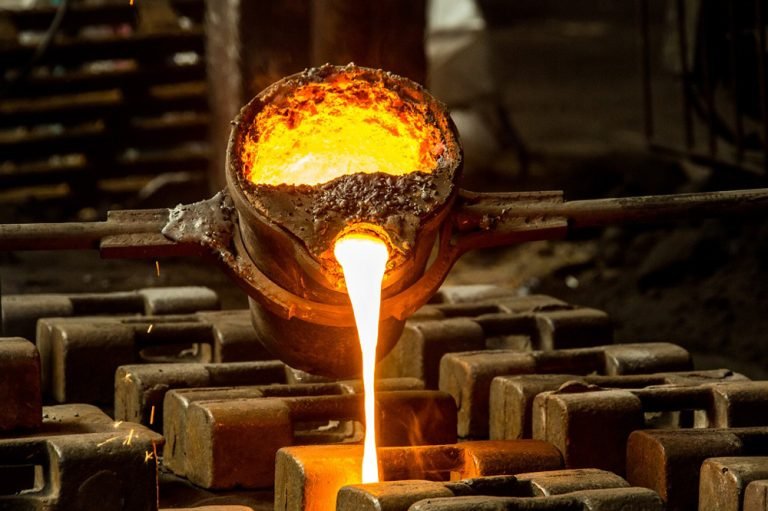
The injection molding process is a popular method for producing plastic parts in large quantities. It involves injecting molten plastic material into a mold cavity, allowing it to cool and solidify, and then ejecting the finished part. The mold itself is a precision tool, and its machining is a crucial step in the injection molding process. Here’s an overview of the injection mold machining method:
1. Design and CAD Modeling: The first step is to design the mold based on the desired plastic part. This is typically done using computer-aided design (CAD) software. The mold design includes the shape and dimensions of the part, as well as the layout of the mold’s cavities, runners, gates, and cooling channels.
2. Material Selection: The choice of mold material is critical, as it needs to withstand the high pressures and temperatures involved in the injection molding process. Common materials for injection molds include hardened steel, stainless steel, aluminum, and pre-hardened steel.
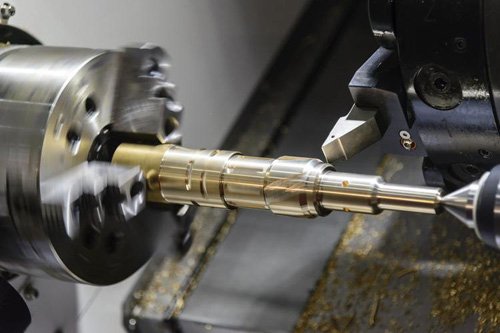
3. CNC Machining: Computer Numerical Control (CNC) machining is the primary method used to manufacture injection molds. CNC machines use computer programming to control the movement of cutting tools, ensuring precise and consistent cuts. The CNC machining process involves the following steps:
a. Rough Machining: In this stage, the bulk of the excess material is removed from the mold block, leaving extra stock for finishing.
b. Semi-Finishing: This step refines the shape of the mold cavities, gates, and runners, reducing the amount of material that needs to be removed during the final finishing process.
c. Finishing: The final stage involves achieving the exact dimensions and surface finish required for the mold. Fine cutting tools are used to achieve a high level of precision.
4. Heat Treatment: After machining, the mold may undergo heat treatment to improve its hardness and durability. This process can involve quenching, tempering, and annealing, depending on the mold material.
5. Surface Treatment: Surface treatments may be applied to the mold to enhance its performance and lifespan. Treatments like nitriding, plating, or coating can improve wear resistance, reduce friction, and prevent corrosion.
6. Assembly: In some cases, the mold may consist of multiple parts that need to be assembled. Precision fitting and alignment are crucial to ensure the mold functions correctly.
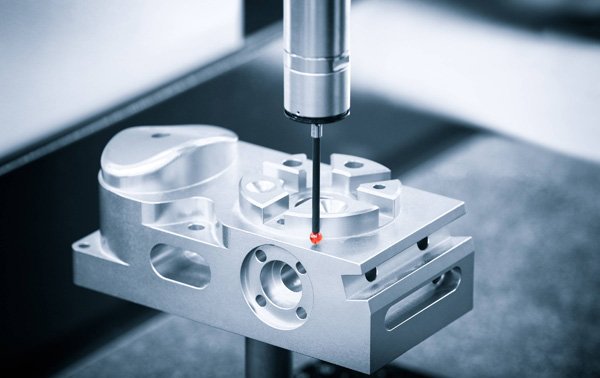
7. Inspection and Testing: The finished mold is thoroughly inspected to ensure it meets the required specifications. This includes checking dimensional accuracy, surface finish, and functionality.
8. Injection Molding: Once the mold is complete and tested, it is installed into an injection molding machine, where it will be used to produce the plastic parts.
Injection mold machining requires skilled technicians and advanced CNC equipment to achieve high precision and repeatability. Proper maintenance and care of the mold are essential to ensure its longevity and consistent performance in the injection molding process.