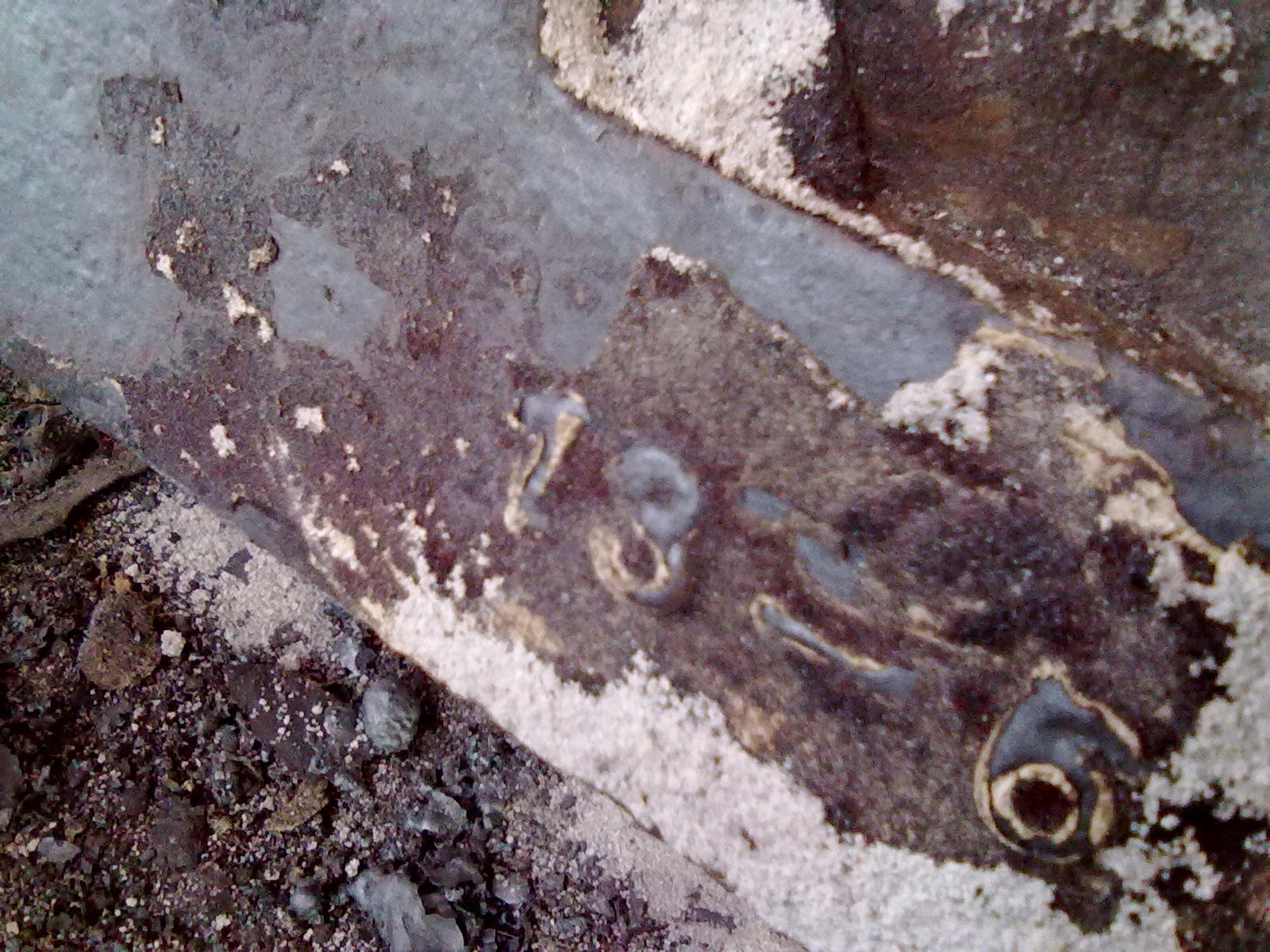
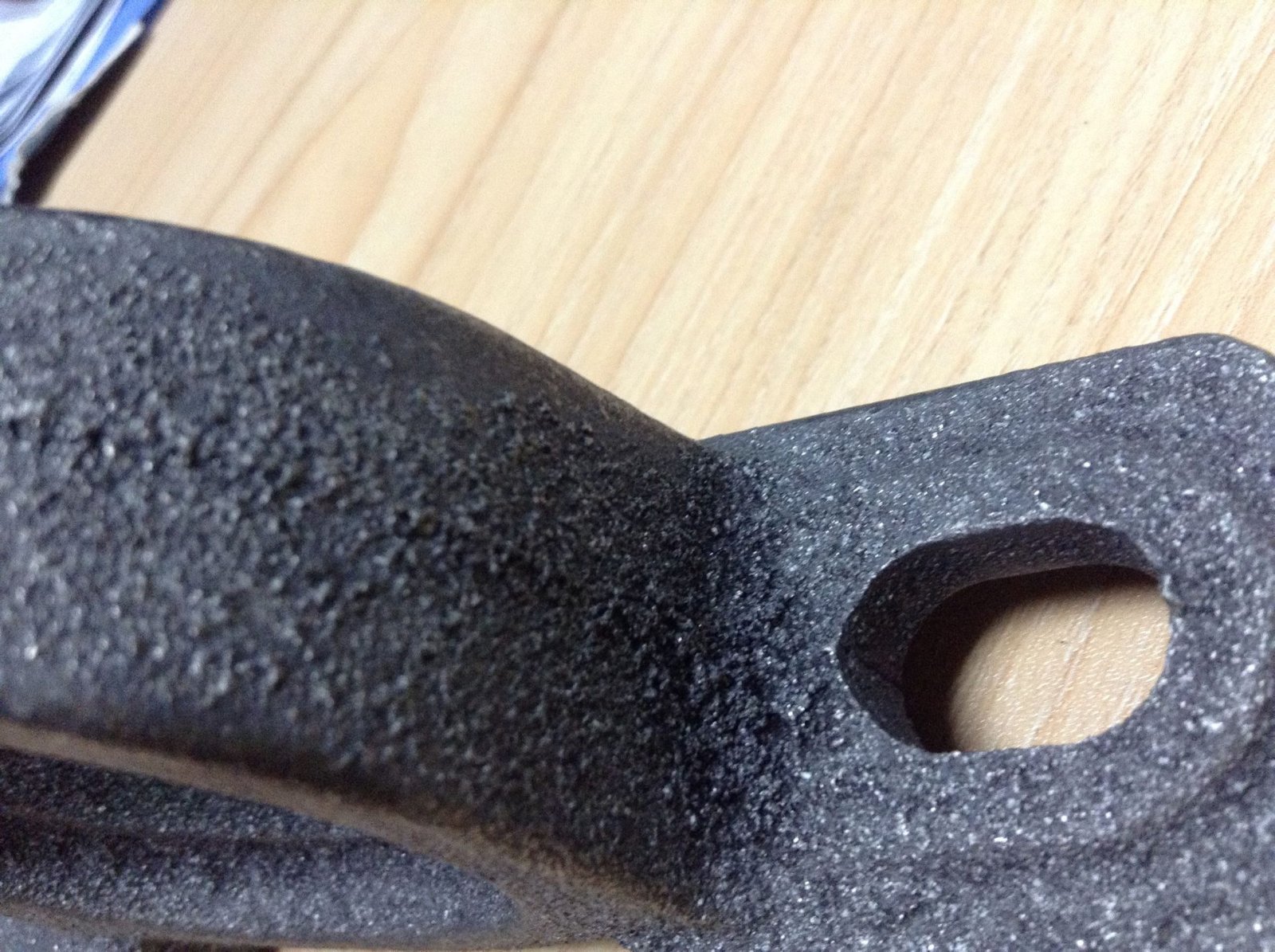
Sand adhering to castings refers to the phenomenon of adhesion between the sand mold and the molten metal during the casting process, which affects the casting surface quality and productivity.
Causes of Sand Adhering to Castings
The problem of sand adhering to castings is a common quality defect in the casting process, and its causes involve many aspects. The following are the main causes of sand adhering to castings:
- Mechanical sand adhering: Metal liquid has high fluidity at high temperature. When the pressure is high enough, the liquid metal will penetrate into the interstices of the sand particles and bond firmly after cooling. If the pressure exceeds the capillary force (determined by the liquid metal surface tension and the sand particle size), mechanical sand adhering will result.
- Chemical sand adhering: A chemical reaction occurs between the liquid metal and the sand material. For example, silica in quartz sand reacts at high temperatures with alkaline oxides (iron or chromium oxide) in the alloy to form silicate compounds. These compounds have a strong adhesive force, the sand particles can be firmly adhered to the casting surface.
- Thermophysical effects: Heat conduction increases the local temperature of the sand, which may lead to a decrease in the performance of the sand and enhance the penetration of the metal liquid into the sand. At the same time, the surface tension, wetting angle and flow changes of the liquid metal also contribute to the occurrence of sand adhering phenomenon.
- Sand surface quality: Unevenly filled, lumpy or loose sand will increase the possibility of sand adhering. Unsuitable surface coating materials, or uneven coating, can not form an effective anti-adhesive layer.
- Improper use of hardener: Wrong choice of hardener type, or irrational ratio of hardener.
- Inaccurate parameter control: Irrational settings of pouring speed and pressure, resulting in sand adhering problems due to the impact of the metal liquid on the surface of the sand mold.
Effects of Sand Adhering to Castings
The problem of casting sand adhering has a negative impact on both the casting process and casting quality, including:
- Deterioration of surface quality: Rough and uneven defects appear on the casting surface, affecting the appearance quality of the product.
- Impairment of dimensional accuracy: Changes in the dimensions of the sand mold, resulting in inaccurate geometry of the casting, which affects the dimensional accuracy of the product.
- Poor flow of metal liquid: Sand adhering may affect the fluidity of metal liquid, resulting in incomplete mold filling.
- Reduced productivity: Increases the complexity of the casting process, requiring more labor and time to handle, lowering productivity.
- Increased costs: Leads to higher scrap rates, increasing the cost of scrap handling and remanufacturing.
- Reduced product reliability: Defects caused by sand adhering may reduce the overall reliability and durability of the casting, affecting the service life of the product.
Measures Against Sand Adhering to Castings
It can be started from several process links. For example, ensure the formation of an effective isolation layer between the sand and the liquid metal to reduce the physical and chemical interaction between them.
Optimize the sand ratio
Select the appropriate grain size and shape of the original sand to ensure that the sand has good air permeability and fire resistance.
Control the proportion of binder, moisture, coal dust or other additives in the sand to obtain suitable wet and dry strength.
Use of efficient coatings
Apply casting coatings with good insulating properties, which can effectively prevent the liquid metal from directly contacting the sand. The coating should have a certain degree of fire resistance and thermal stability.
Ensure that the coating is uniform, especially strengthening the coating in areas where mechanical sand adhering is likely to occur.
Improve casting system design
Design a reasonable pouring system to reduce the impact pressure and static pressure of the liquid metal on the sand.
Avoid high temperature liquid metal directly washing the sand surface for a long time.
Optimize casting and mold design
Reduce sharp corners, cantilevers or protrusions in the casting structure. These areas tend to cause heat concentration and increase the risk of mechanical sand adhering.
Consider cooling techniques such as cold irons or inserts for complex structures and where wall thicknesses vary greatly.
Enhance casting production quality
Improve the compactness of the molding sand to ensure that the density is consistent in all parts of the mold cavity and to avoid sand adhering due to looseness.
Dry the sand thoroughly to reduce the impact of moisture on the quality of castings.
Ensure that the core venting holes are smooth, facilitating gas discharge and reducing sand seepage caused by internal pressure.
Adopt advanced casting technology
Consider using V method casting, lost foam casting, shell casting and other new casting processes. These methods can better solve the problem of sand adhering in traditional sand casting.
Summary
The problem of sand adhering to castings is a common challenge in the casting process that affects product quality and productivity. However, it is not impossible to avoid or eliminate. Through in-depth analysis, we can draw some effective measures to prevent and solve the casting sand adhering problem. In addition to reasonable adjustment of molds and materials, the use of new casting processes can largely solve the problem of sand adhering to castings.
In order to avoid the sand adhering to the castings affecting the quality of the products and increasing the cost of machining, choosing the right service provider is crucial. CYCO, an expert in precision machining, specializes in precision casting machining. We ensure that the products we produce will exceed your expectations because of our advanced equipment and professional team. If you need our help, contact us now!