

Cemented carbide parts machining
Cemented carbide parts are widely used in various industries due to their excellent wear resistance, high hardness, and good toughness. It is used wherever tools or components are exposed to high wear, as is the case when cutting hard materials. Carbide improves the quality of tools and components, gives them a longer service life and ensures that processes are safe and reliable. But cemented carbide is a brittle material, and can be easily damaged if not handled properly.

What is cemented carbide made of?
Cemented carbide is a powder of one or several refractory carbides (tungsten carbide, titanium carbide, etc.) as the main component, and then metal powder (like cobalt and nickel) is added as a binder. Cemented carbide is therefore a powder-metallurgical two-phase material. Cemented carbides represent a group of materials which differ from other hard materials such as ceramics, steel or diamond in view of their high hardness and metallic properties.
Features or merits of cemented carbide
High hardness, wear resistance and red hardness
The hardness of cemented carbide at normal temperature can reach 86 ~ 93HRA (equivalent to 69 ~ 81HRC), it can maintain high hardness and has excellent wear resistance at 900 ~ 1000℃.
High strength and modulus of elasticity
The compressive strength of cemented carbide is 6000MPa, and the modulus of elasticity is (4 ~ 7) ×105MPa. However, its bending strength is low, generally 1000 ~ 3000MPa.
High corrosion resistance and antioxidation
Cemented carbide can resist atmospheric, acid, alkali and other corrosion well, not easy to oxidize.
Low linear expansivity
Cemented carbide can keep shape and size stable while working.

Manufacturing process of cemented carbide
The manufacturing process of the carbide has a notable effect on the quality of the final product. Cemented carbide can only be produced by powder metallurgy.
In the numerous steps of the procedure all risks of impurity must be carefully eliminated. Cemented carbide ensures long tool life, and the high quality level in manufacturing is absolutely necessary to guarantee consistent and homogeneous carbide quality.
Machining of cemented carbide
The machining of cemented carbide has a decisive effect on the performance and characteristics of the finished products. Each machining stage makes a difference to product life.
Cause cemented carbide cannot be machined by milling or drilling, EDM is the most perfect technique for machining carbide. EDM machining ensures high precision of carbide parts(+/-0.002mm), nearly no burrs, so it is well suited for precision carbide parts machining. During EDM machining process, an electrical spark is generated between an electrode and a carbide workpiece immersed in a dielectric(such as kerosene, saponified oil and deionized water). The heat generated by electric spark can melt localized areas of the carbide workpiece surface precisely, while the dielectric acts as a coolant, washing away the eroded metal particles. There must be a gap between the electrode and the carbide workpiece surface, it cannot create an electric spark if the gap is too big. On the contrary, a small gap will lead to a short circuit. Wire EDM does not need extra molds, so we can greatly shorten the manufacturing cycle and reduce the cost when manufacturing new carbide products. It is also convenient to modify the design and change the machining program.
Cause of the high hardness of cemented carbide, it can be machined with diamond grinding wheel, which has a very unique effect in grinding. The diamond grinding wheel can maintain the shape better and the precision of the workpiece is very high. There are many pores in the grinding wheel, which is conducive to chip removal and heat dissipation during grinding. In short, diamond grinding wheel has the characteristics of high hardness, high compressive strength, good wear resistance and more, is an ideal tool for carbide grinding. But there are several important factors need to pay attention to when we choosing it, the grain size, type of connection (synthetic resin, metal sintering, ceramic or galvanic bonds) and concentration. Proper cooling is the most important when grinding, coolant should always be used during machining. The choice of coolant must be decided on an individual basis, which can prevent the carbide from being damaged.
A relatively popular method in recent years, compared with other methods, it has some merits:
Reduce machining time
Top-quality surface: RA values down to 0.05
But for carbide milling, the tool must be 4 timed harder than the machined material. Only two materials are usually used for machining: PCD or CVD, for example, CVD milling cutter can micro-mill the the cemented carbide(the surface roughness can reach 0.073μm). Generally speaking, the harder the cemented carbide is, the more difficult the milling operation and the shorter the tool life will be.
In the process of turning cemented carbide parts, the hardness of the tool must be higher than the workpiece being machined, so the material of tool is mainly based on high hardness and high heat resistance, CBN and PCD are the most commonly used at present. For carbide grades with hardness up to around 1100 HV 30, CBN is enough. But for 1600 HV 30, the use of PCD is necessary. However, not all grades of cemented carbide can be machined economically. From an economic point of view, hardness above 1600 HV30 does not make sense.
Cemented carbide is sintered from powder compact and often requires further treatment to achieve a smooth surface. The following are common polishing methods:
- Mechanical polishing: Generally use oil stone strips and grinding wheels, mainly manual operation, and high technical requirements for operators.
- Chemical polishing: To get a smooth surface, melt the protrusion of the surface with chemical solution. The advantages of this method include:
- Do not need complicated equipment
- High efficiency, machining many parts at the same time
- Easy to operate, no special requirements for workers
- Ultrasonic polishing: Put the cemented carbide in the ultrasonic field with abrasive suspension, polish the parts by ultrasonic oscillation. This method will not cause deformation of cemented carbide, but it is difficult to install.
We offer all the machining methods you want, we can also help with the design according to your needs and send the samples to you for testing. You can share your ideas and send the drawings or samples to us without any hesitation. Let’s turn your concept into a reality!
Applications of cemented carbide
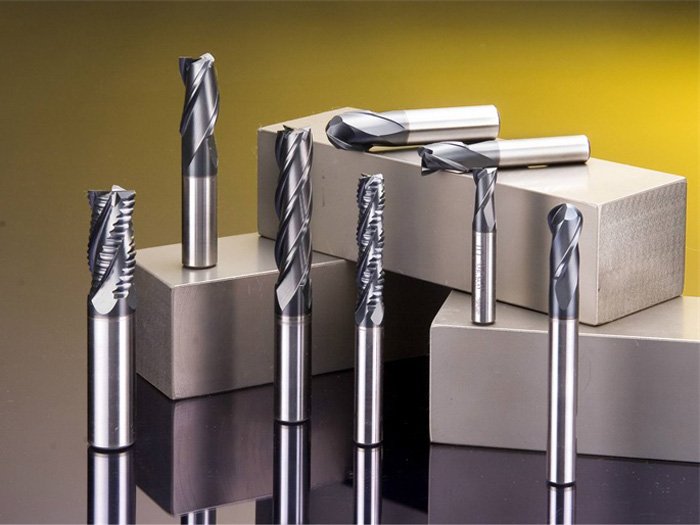
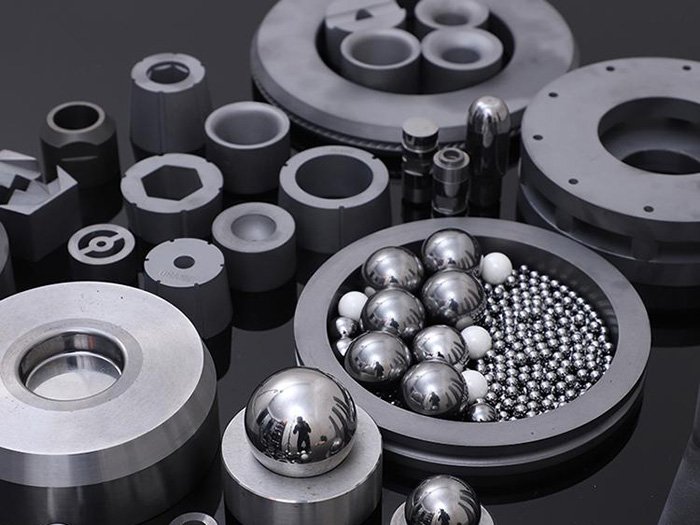
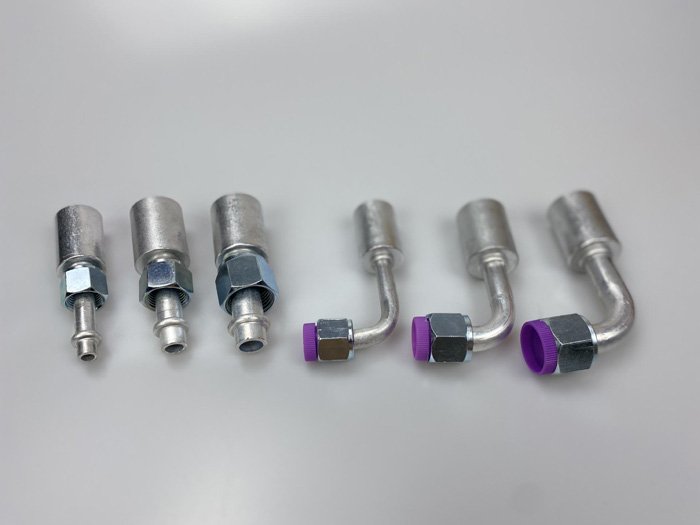
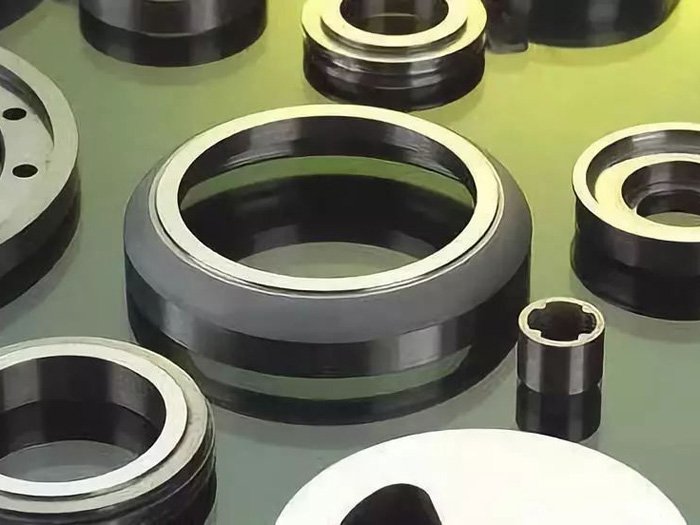

Further information of cemented carbide
Tungsten carbide: the mother of most cemented carbides
As for all cemented carbides, the hard WC phase provides hardness, heat resistance and wear resistance while the metal binder ensures good toughness of the material. The extremely high modulus of elasticity ensures that cemented carbide deforms only slightly when exposed to pressure. This combination of characteristics make tungsten carbides the ideal material for numerous applications.
The super hero for the cutter sector
Cemented carbide in the cutting tools sector plays an extraordinary role as it clearly shows better wear resistance than high-speed steel (HSS), withstands higher working temperatures and can be optimised very well to the requirements of various processes. At the same time, it costs less than polycrystalline diamond (PCD) tools, for example.