Injection Mold Machining
Reliable injection mold tooling creation for custom injection molded parts. Get precise and outstanding custom injection molds to produce high-quality plastic parts. Take advantage of our commitment to quality, quick production, and competitive pricing.
- Tight Tolerance of 0.02 mm
- Professional DFM Report
- Free Mold Flow Analysis
- Certifications: ISO9001:2015, IATF 16949:2016

What Is Injection Mold Machining
Injection mold machining, also known as injection mold making, is the process of creating molds used in the injection molding manufacturing method. Injection molding is a widely used manufacturing process for producing plastic parts in large quantities. The molds used in this process are typically made from steel or aluminum and are precision-engineered to shape the molten plastic material into the desired form.
Injection Mold Machining Process
- Design: The first step in injection mold machining is to create a design for the mold. This is usually done by a skilled mold designer using computer-aided design (CAD) software. The designer considers factors such as part geometry, material selection, mold flow analysis, and cooling system design to optimize the mold’s functionality.
- Material Selection: Based on the design requirements and the expected number of production cycles, the appropriate material for the mold is chosen. Common materials include various grades of steel, aluminum, and sometimes other alloys or composite materials.
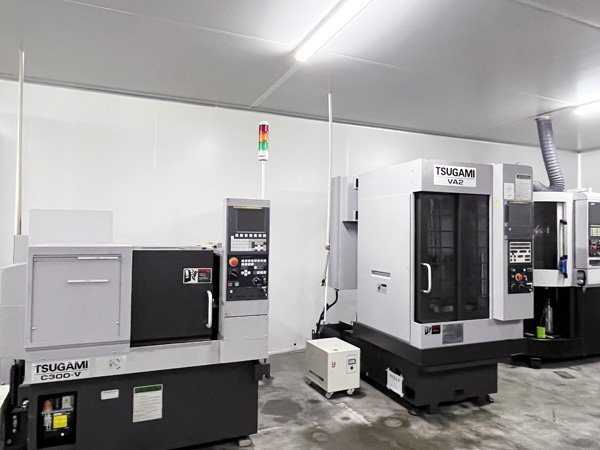
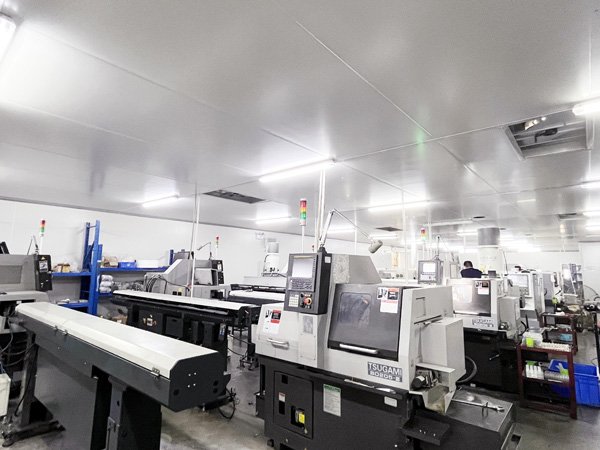
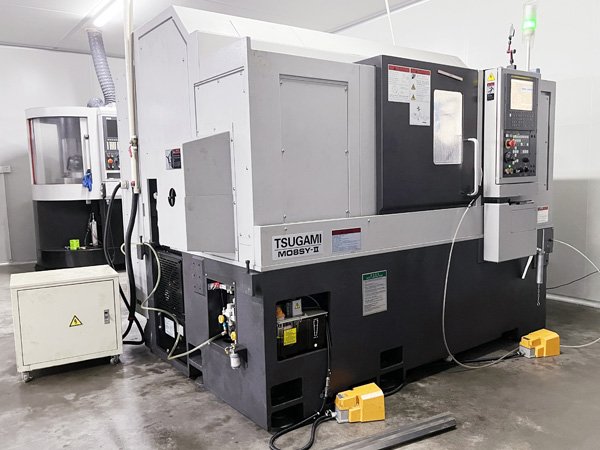
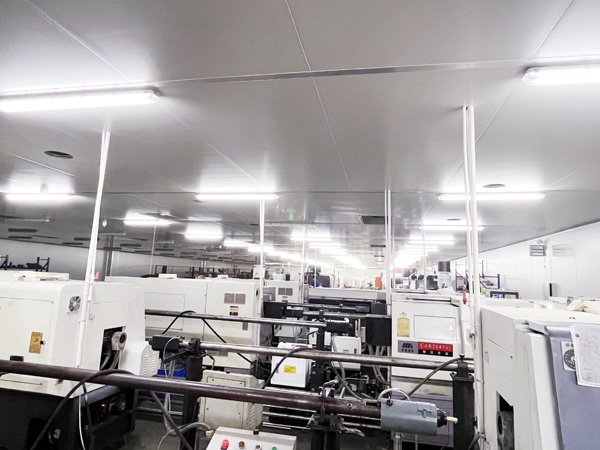
- Machining: Once the design is finalized and the mold material is selected, the machining process begins. It involves the use of precision CNC (Computer Numerical Control) machines to cut and shape the mold components to the exact specifications required. CNC machines ensure high accuracy and repeatability in the manufacturing process.
- Tooling: The mold consists of multiple components, including the core, cavity, inserts, ejector pins, cooling channels, and other features. These components are machined separately and then assembled into a complete mold.
- Polishing and Finishing: After the machining process, the mold surfaces need to be polished and finished to achieve the desired surface texture of the final plastic product. This step is essential to ensure the quality and appearance of the molded parts.
- Assembly and Testing: Once all the individual components are machined and polished, they are carefully assembled to create the complete injection mold. The mold is then tested to ensure it meets the required tolerances and functionality.
Why Choose Us For Injection Mold Tooling Machining
No MOQ
No minimum order requirement helps move plastic molded parts from design to production in a fast turnaround and supports your on-demand molding manufacturing needs with reduced injection molding cost.
Tight Tolerances
As an ISO-certified company, our standard tolerances are defined by ISO 2768 standards. We offer a range of injection mold tooling tolerances to meet your requirements. Based on your design, we can reach tight tolerances up to +/-0.02mm.
Fast Turnaround
With certified domestic factories and a strong supply chain system, we accelerate the product development cycle and bridge the production of your injection molded parts as fast as possible.
Professional Technical Support
Broad expertise on a wide array of molds and products can support your business by providing advice and solutions to achieve your goals.
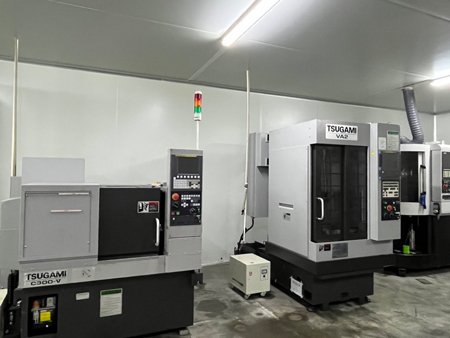
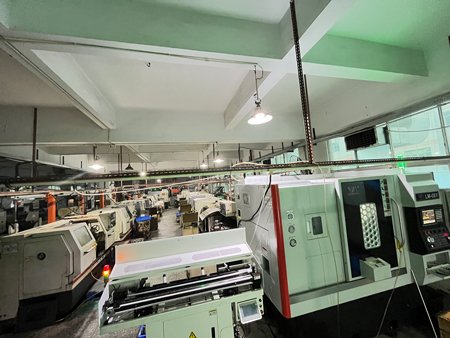
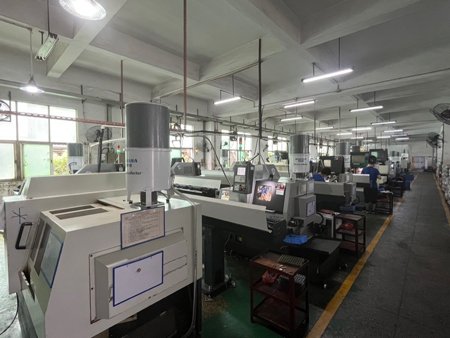
Our Machine Shop