When performing CNC machining of brass, there are several precautions you should consider to ensure a safe and efficient machining process. Here are some key precautions to keep in mind:
1. Safety Gear: Always wear appropriate personal protective equipment (PPE) such as safety glasses, gloves, and hearing protection when operating CNC machines. Brass chips and debris can be sharp and hot, posing a potential hazard.
2. Machine Setup: Ensure that the CNC machine is properly set up for machining brass. This includes using appropriate tooling, such as carbide or high-speed steel (HSS) cutters, designed specifically for machining non-ferrous metals.
3. Tool Selection: Choose the appropriate cutting tools for machining brass. Carbide or HSS tools with sharp edges and high-speed capabilities are commonly used. Consider using tools with coatings like TiN (titanium nitride) or TiAlN (titanium aluminum nitride) to enhance tool life.
4. Speeds and Feeds: Optimize cutting speeds and feeds for machining brass. Brass is a relatively soft material, so higher cutting speeds and feeds can often be used compared to harder metals. However, excessive speeds can lead to tool wear or workpiece damage, so find the right balance.
5. Coolant and Lubrication: Brass machining typically generates heat, so it’s important to use appropriate coolants or lubricants to dissipate heat and reduce friction. Soluble oil or water-based coolants are commonly used to prevent overheating and improve chip evacuation.
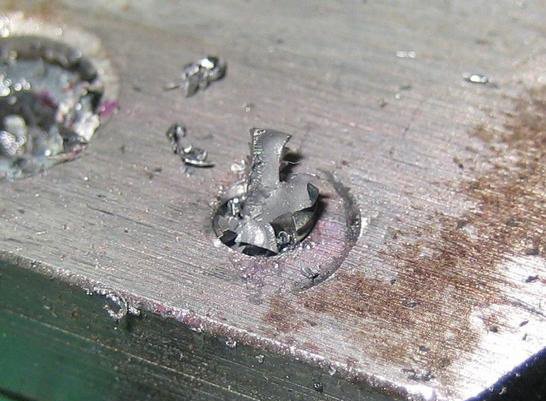
6. Chip Management: Brass chips can be sharp and have a tendency to cling to the workpiece and cutting tool. Ensure proper chip management by using adequate chip evacuation methods, such as chip brushes, air blasts, or flood coolant systems, to prevent chips from interfering with the machining process.
7. Rigidity and Stability: Brass machining can induce vibrations, especially with longer tool projections or inadequate machine rigidity. Ensure the workpiece and tool setup are stable and rigid to minimize vibrations and achieve accurate machining results.
8. Machining Strategy: Optimize the machining strategy for brass. Consider using climb milling, where the cutter rotates against the direction of feed, to reduce tool deflection and achieve a better surface finish.
9. Tool Maintenance: Regularly inspect and maintain cutting tools to ensure they are sharp and in good condition. Dull or worn tools can lead to poor surface finishes, increased cutting forces, and potential workpiece damage.
10. Post-Machining Cleanup: After machining brass, thoroughly clean the work area, tools, and machine to remove brass chips and debris. Dispose of the waste safely and responsibly.
Remember to consult the specific guidelines provided by the machine manufacturer, tooling suppliers, and relevant safety standards for detailed recommendations on machining brass with your CNC equipment.