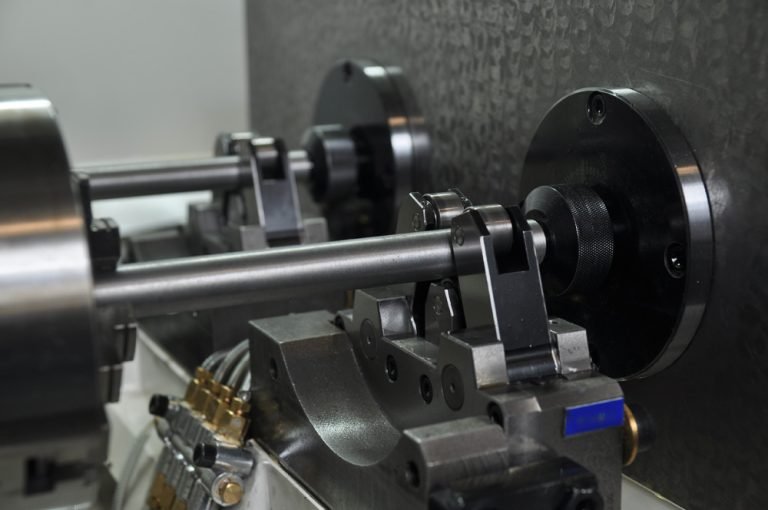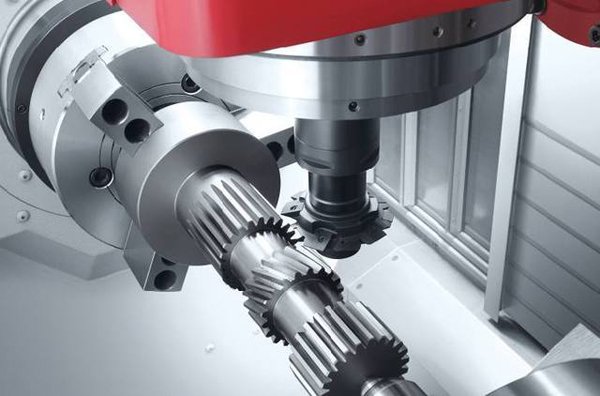
Magnesium is a versatile material that is well suited for applications in a variety of industries. Even if it is possible to produce high-quality parts with excellent corrosion resistance using magnesium alloys, the high flammability of magnesium coupled with the hazards of its dust and debris make it a challenging material to utilize.
Therefore, it is necessary to take precautions to machine magnesium safely.
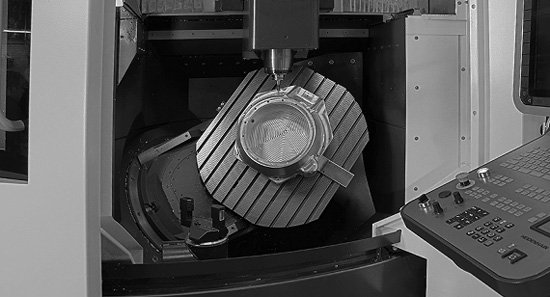
Pros and Cons
1. Low density and light weight.
The density of magnesium is 1.7-1.8g/cm3, which is 2/3 of aluminum and 1/4 of steel.
2. Great toughness and shock absorption.
Magnesium alloy is easy to be deformed when subjected to external forces. However, when subjected to impulsive loads, the energy absorbed is 1.5 times greater than aluminum.
3. Fast solidification and good die casting ability.
Magnesium alloy is a great die casting material, it has good fluidity and fast solidification rate, it can produce parts with delicate surfaces and clear corners, and it can prevent excessive shrinkage to ensure dimensional tolerances.
4. Low heat capacity.
Compared with the production of the same castings of aluminum alloy, its production efficiency is 40% to 50% higher, with stable casting dimensions, high precision and good surface finish.
5. Excellent cutting and machining properties.
Higher cutting speeds and cheaper cutting tools can be used for machining, with low tool consumption. And there is no need to grind and polish, a very bright and clean surface can be obtained with cutting fluid.
Besides these advantages, magnesium also has some disadvantages that are not favorable to CNC machining.
1. Easily flammable.
Easily react with oxygen in the air, which will release a lot of heat to generate magnesium oxide, but magnesium oxide is poor in thermal conductivity, so the heat cannot be dispersed in time.
2. Poor corrosion resistance.
At room temperature, the surface of magnesium reacts with oxygen in the air and forms a thin film of magnesium oxide. However, because the magnesium oxide film is quite loose, its compression coefficient is only 0.79, the generated magnesium oxide after oxidation is reduced in size making it poorly resistant to corrosion.
3. Hazards of magnesium powder and chips.
Flammability is not the only issue, the process also generates potentially explosive powder and magnesium chips. When these particles collect, even a small ignition source can cause an explosion.
Risks of magnesium CNC machining
Chips and fly ash generated during the machining of magnesium alloys involve a risk of ignition or explosion. The central task of safety production is to prevent combustion and explosion of magnesium dust, magnesium powder, magnesium chips and magnesium flakes.
Rough machining stage
This stage produces chips with larger size, because of the high thermal conductivity of magnesium which can quickly dissipate the friction heat out, so it is difficult to reach the ignition temperature. There are fewer accidents at this stage.
Precise machining stage
The generated tiny chips and powders have a large specific surface area, as a result, the ignition temperature can easily be reached, causing a combustion or explosion.
Factors affecting machining temperature
1. High humidity
2. Low feed rate or engagement of the cutting edge
3. Excessive pause in machining
4. The clearance angle and chip space of the cutter are too small
5. High cutting speeds without the use of cutting fluids
6. Sparks from metal on metal
7. Magnesium chips collect around or under the machine tool
…
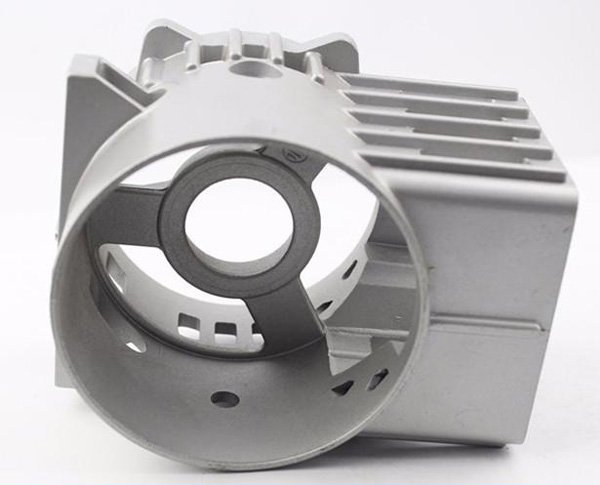
Tips for safe magnesium CNC machining
1. Keep knives sharp, proper rake and clearance angle.
Using sharp cutting tools for magnesium CNC machining can help reduce the danger, since dull tools can cause rising temperatures. Additionally, improper angles can easily wrap around the cutting tool, which can lead to significant heat buildup.
2. Use large feed tools to form thick chips. When the feed is small, use mineral oil cooling to minimize heat generation.
Mineral oil coolants must be used in machining because they reduce the risk of fire and explosion and improve the surface quality of magnesium-machined parts.
3. The tool should be retracted immediately at the end of the machining process to avoid the formation of tiny and flammable chips by the continued rotation of the workpiece.
4. Try to not use chip fluid, especially no water-soluble chip fluid.
Water-based coolant is not recommended for magnesium machining because it may react with the magnesium to produce highly flammable hydrogen gas.
5. Compressed air or carbon dioxide can be blown in the case of high-speed chip cutting that produces tiny chips.
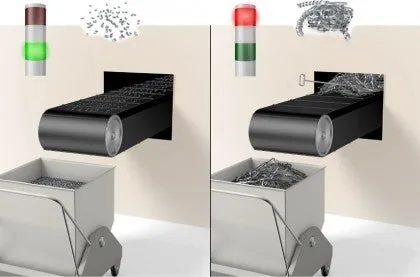
6. Clean up chips frequently and store them in a steel bucket with a lid.
Chips are collected regularly by using non-static tools and equipment to prevent accumulation. Once collected, they must be thrown away in sealed metal containers, which prevents accidents due to external factors.
7. Smoke and fire are not allowed to approach the machining area and ensure that adequate fire extinguishing facilities are available.
When a fire occurs in the machining process, it is not recommended to extinguish it with water, as water will only worsen the severity of the fire outbreak. Magnesium fires can be quickly controlled with a dry Class D fire extinguisher. Equally, if you want to put out a small fire, dry sand is a good choice.
…
Reasons Why Choose Magnesium CNC Machining
With the risks in magnesium CNC machining, why use it?
Despite the risks of CNC machining with magnesium, the benefits are obvious. If safety guidelines are followed, magnesium is ideal for CNC machining.
The following are some reasons why magnesium is chosen for CNC machining:
1. Lightweight
Parts made of magnesium can reduce the entire weight of a product, and in the aerospace and automotive industries weight reduction can improve fuel efficiency and performance.
2. Excellent machinability
Excellent machinability makes it easy to cut and shape, while a low cutting force reduces the rate of wear on cutting tools.
3. Complicated part shapes
Due to the high machinability of magnesium alloys, they are well-suited for machining customized parts with complex geometries. Also, multi-axis CNC machines can machine magnesium alloys from different angles to meet the requirements.
4. Environmentally friendly
Magnesium can be recycled without loss of quality, and the waste produced in CNC machining can be collected and reused, which can reduce energy consumption and save costs.
Suitable tools for magnesium CNC machining — a critical factor
As mentioned earlier, it is important to use sharp tools in magnesium CNC machining to avoid heat buildup from chips. That’s why the right tool should be chosen, and here are the tools recommended for magnesium CNC machining:
1. High speed steel (HSS) tool
Tool steel with high hardness, excellent wear and very good heat resistance, as well as low cutting speeds required for cutting magnesium materials.
2. Cemented carbide and coated carbide tool
Cemented Carbide has outstanding wear resistance and favorable heat resistance for demanding magnesium alloy machining. What’s more, the special coating on the coated tool enhances the wear resistance and thermal stability of the tool, which can be well applied to magnesium CNC machining.
3. PCD tool
High hardness, excellent compressive strength, superior thermal conductivity and good abrasion resistance.
Summary
Magnesium through CNC machining can be produced with high strength, good impact resistance and favorable dimensional stability of lightweight parts, but the safety issues should not be ignored.
CYCO is a reliable CNC machining service provider, with a wealth of CNC machining expertise and a highly professional staff making us stand out.
In order to avoid wasting your valuable time, you can choose CYCO as your partner without any hesitation!
Work with us for a worry-free experience now!