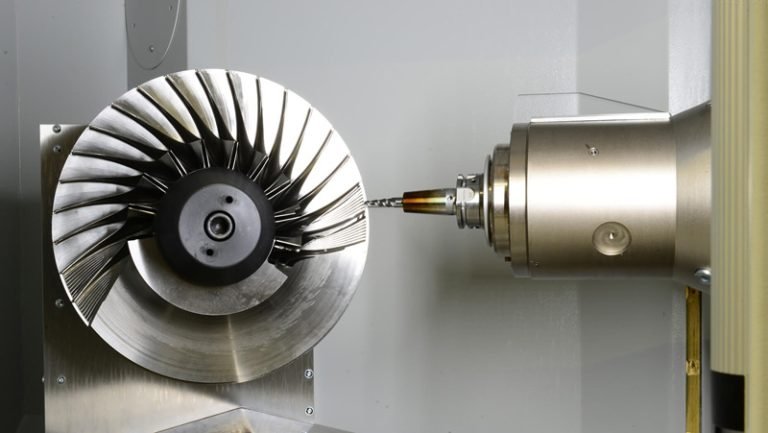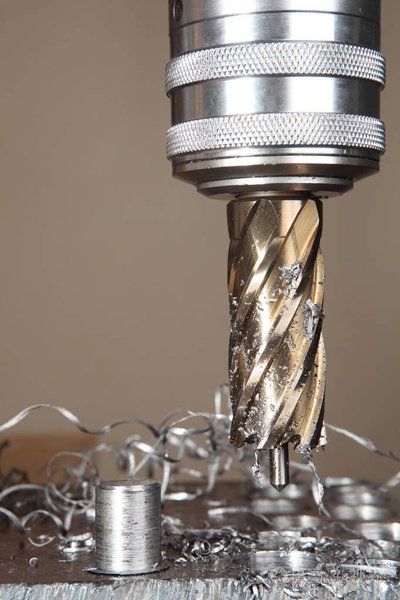
Smoothing machining technology is a subset of manufacturing processes aimed at achieving precise and smooth surface finishes on workpieces, typically metals or other materials. Here’s a summary of key points related to smoothing machining technology:
1. Surface Finishing: Smoothing machining focuses on refining the surface of workpieces to achieve a high-quality, smooth finish. This is crucial for enhancing both the aesthetics and functionality of the final product.
2. Machining Methods: Various machining methods are used for smoothing, including milling, grinding, turning, and honing. These processes involve the removal of material through cutting, abrasion, or other techniques to reduce surface roughness.
3. Precision Machining: Smoothing machining often utilizes CNC (Computer Numerical Control) machines to ensure precise and repeatable movements. CNC technology allows for fine control over cutting tools, resulting in consistent surface finishes.
4. Cutting Tools: Specialized cutting tools, such as grinding wheels, honing stones, and abrasive belts, are used in smoothing machining. The choice of tool depends on the material being machined and the desired finish.
5. Surface Roughness: Achieving a smooth surface finish is the primary goal, often measured in terms of surface roughness parameters like Ra (average roughness) and Rz (maximum height). Tight tolerances are essential for meeting specific surface finish requirements.
6. Material Selection: The choice of material significantly impacts smoothing machining. Different materials may require unique machining techniques and tooling to achieve the desired surface quality.
7. Cutting Parameters: Adjusting cutting parameters, including cutting speed, feed rate, and depth of cut, is critical for optimizing the machining process. These parameters can influence surface finish, tool life, and material removal rates.
8. Lubrication and Cooling: Proper lubrication and cooling are essential to prevent overheating of cutting tools and workpieces during machining, which can lead to poor surface finishes and tool wear.
9. Quality Control: Rigorous quality control measures are implemented to ensure workpieces meet specified tolerances and surface finish requirements. Inspection and measurement tools are used to assess surface quality.
10. Tool Maintenance: Regular maintenance and replacement of cutting tools are necessary to maintain machining efficiency and surface finish quality. Dull or worn-out tools can result in poor finishes.
11. Chip Management: Efficient chip management is essential to prevent chip buildup, which can negatively impact surface finish and tool life. Chip evacuation systems are used to remove chips from the machining area.
12. Applications: Smoothing machining technology is applied across various industries, including aerospace, automotive, medical device manufacturing, and precision engineering, where smooth and precise components are critical for performance and reliability.
Smoothing machining technology involves a range of processes and techniques to achieve smooth surface finishes on workpieces. It requires precision, careful control of cutting parameters, tool selection, and quality assurance measures to produce high-quality parts with the desired surface finish.