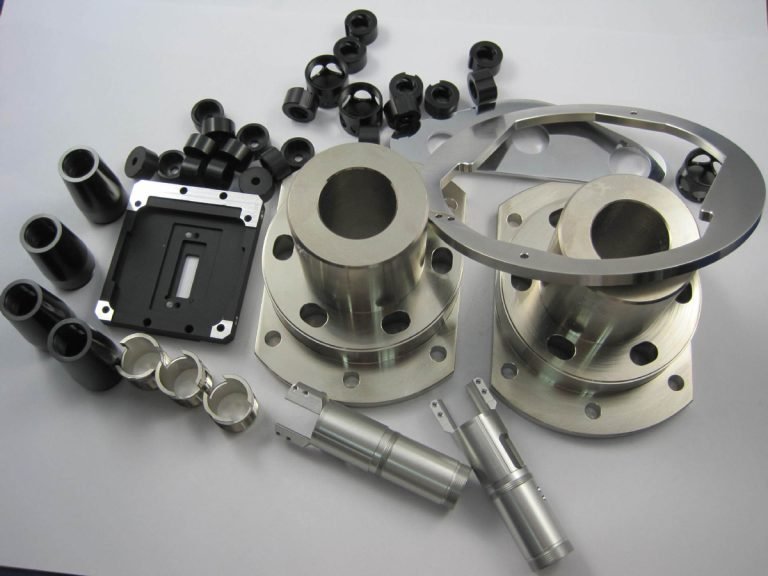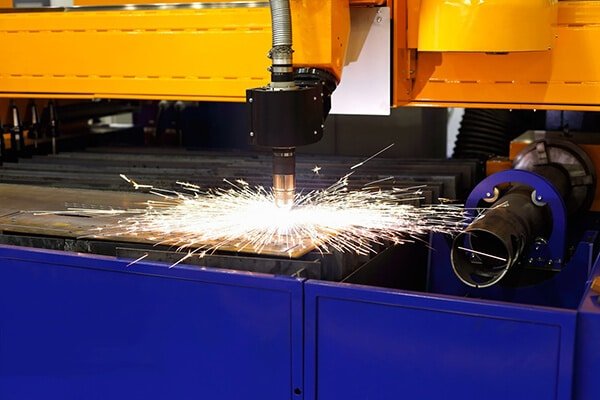
CNC machining aluminum is a manufacturing process that uses computer-controlled machines to cut and shape aluminum into precise parts. CNC stands for computer numerical control, and it allows the machines to follow programmed instructions to create complex parts with high accuracy. When it comes to CNC machining aluminum, there are several key points to consider:
1. Material Selection: Aluminum is a popular choice for CNC machining due to its favorable properties, such as high strength-to-weight ratio, good machinability, and excellent thermal and electrical conductivity.
2. Design Considerations: When designing parts for CNC machining aluminum, it’s important to consider factors such as wall thickness, fillets, undercuts, and overall part geometry. These design elements can impact the machinability and overall success of the manufacturing process.
3. Tooling Selection: Choosing the appropriate cutting tools is crucial for CNC machining aluminum. Carbide or high-speed steel (HSS) tools are commonly used due to their hardness and ability to withstand the high cutting forces involved. Specialized coatings, such as TiN (Titanium Nitride) or TiAlN (Titanium Aluminum Nitride), may also be applied to enhance tool life and performance.
4. Machining Parameters: Optimizing the machining parameters, including cutting speed, feed rate, and depth of cut, is essential to achieve accurate and efficient aluminum machining. These parameters may vary depending on the specific aluminum alloy being machined and the desired surface finish.
5. Chip Control: Aluminum tends to produce long, stringy chips during machining, which can cause issues such as chip entanglement and poor surface finish. Implementing appropriate chip control techniques, such as using chip breakers or high-pressure coolant systems, helps manage the chips effectively.
6. Cooling and Lubrication: Cooling and lubrication are vital for CNC machining aluminum to dissipate heat and reduce friction. Proper coolant selection and application methods, such as flood cooling or misting, aid in maintaining the machining temperatures within acceptable limits and minimizing tool wear.
7. Post-Machining Processes: Depending on the specific requirements, post-machining processes like deburring, polishing, anodizing, or powder coating may be performed to improve the part’s aesthetics, durability, or functionality.
8. Quality Control: CNC machining aluminum parts require thorough inspection to ensure dimensional accuracy and quality. Metrology tools, such as coordinate measuring machines (CMMs), calipers, and micrometers, are commonly used to verify critical dimensions and tolerances.
By considering these main points, CNC machining aluminum can be carried out effectively to produce high-quality parts with precision and efficiency.