In what could be called the modern industrial age, metal is so ubiquitous around us and it’s hard to list all the ways in which it affects our lives. That said, have you ever stopped to think about how metal is shaped, molded, and manipulated to achieve desired results? This broad definition can be summed up in three words: metal fabrication process.
In fact, metal fabrication is an overarching term that refers to any process that cuts, shapes, or molds metal materials into a final product. Instead of assembling a final product from ready-to-use components, fabrication creates a final product from raw materials or semi-finished products. There are many different fabrication manufacturing processes.
Let’s take a closer look.
Types of Metal Fabrication
Before a raw metal material or semi-finished product can be used for fabrication and assembly, it still needs to experience different types of metal fabrication techniques, depending on the properties of the metal and the purpose of the product.
Each metal fabrication process has its own strengths and limitations, and even for the same metal, the use of different fabrication techniques can result in different outcomes.
Common metal fabrication processes are as follows:
Cutting
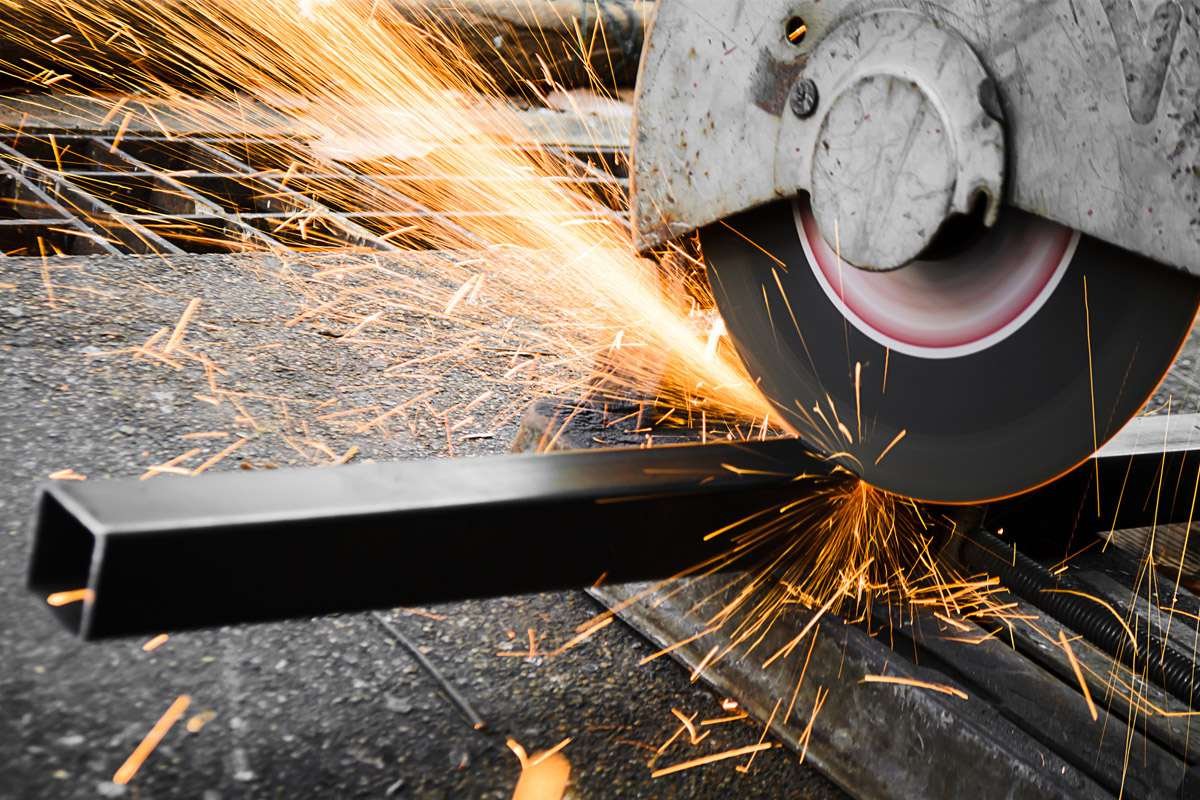
One of the earliest forms of metal fabrication. After unwanted parts are removed from a metal workpiece, the finished workpiece can be used with other components and systems. Although the process and concept of metal cutting is simple, it can be performed with other complex machines, modern methods include laser cutting, water jet cutting, power scissors, and plasma cutting.
Generally, cutting involves the following tools and materials: cutting equipment, a metal specimen or workpiece, and a workbench. Different types of finished metals such as diamond plate, sheet metal, and steel can be cut by using power tools or hand-held blades.
Casting
Including die casting, sand casting and investment casting

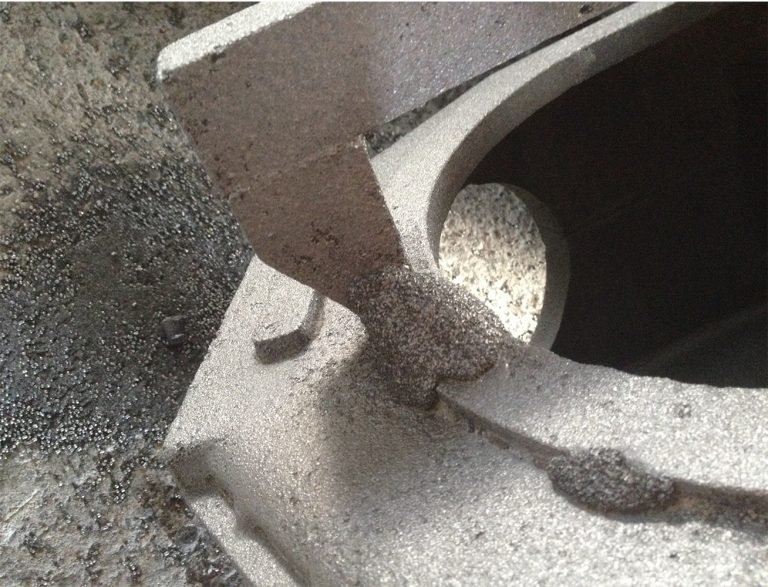
Casting is the process of heating metal to its melting point and pouring it into a cavity mold with a specific design. The applied pressure holds the metal in place, and after cooling until it is fully hardened, it can be post-treated to remove small defects and improve the finish of the metal.
Casting is widely recognized as the first choice for mass production, where the same mold can be used repeatedly with minimal variation in the final result. The disadvantage is that the heating and cooling process can create internal stresses in the crystal structure of the metal, which is why manufacturers must be careful with casting operations to prevent cracking and damage to the metal.
Stamping

Similar to punching, stamping is the use of a press or hammer to create an indentation in metal instead of punching a hole. Stamping is used to form shapes, letters or images on metal panels or sheets. Mechanical and hydraulic are the two types of stamping presses.
Welding
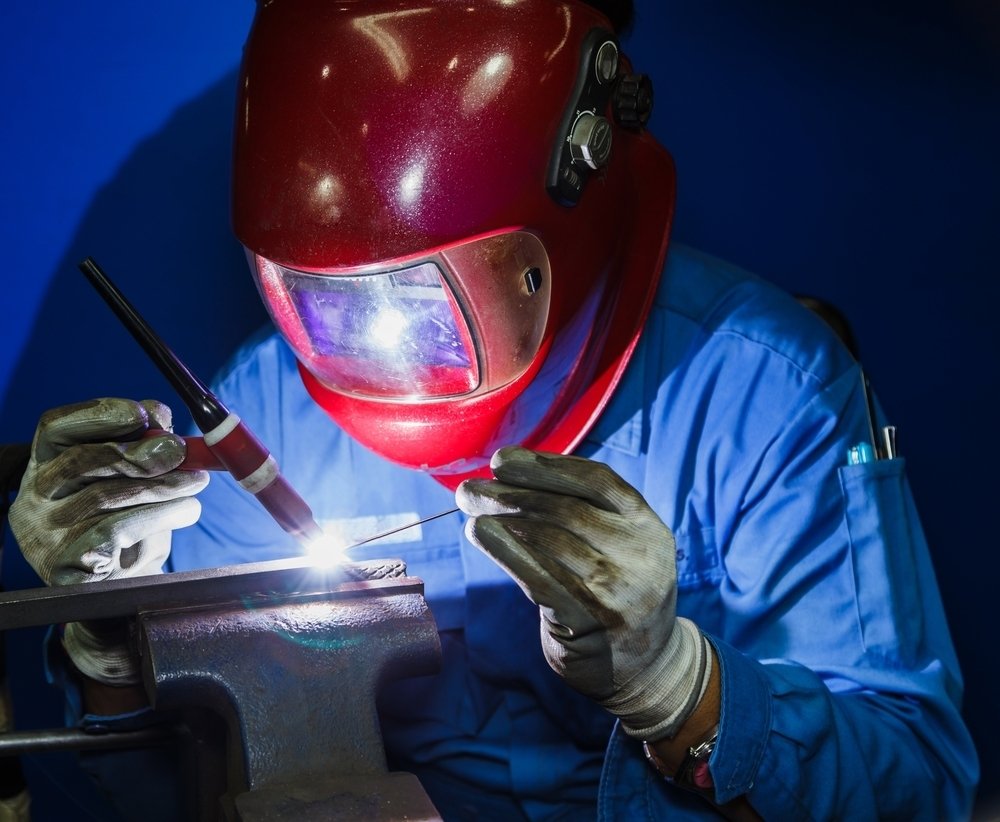
Welding is the joining of two or more pieces of metal through a mixture of heat and pressure, which is most common in large or industrial manufacturing projects. It is popular because various pieces of metal can be joined together regardless of their shape or size. Welding requires the use of welding equipment, shielding gas, consumable or non-consumable electrodes, flux and filler besides the metal workpiece.
Four of the popular types of welding procedures are Stick or Arc Welding, MIG Welding, TIG Welding, and Flux Cored Arc Welding.
Stick welding, also known as Shielded Metal Arc Welding (SMA): uses an electrode rod to generate an electric current in contact with the metal to form an electric arc, and uses the high temperature of the arc to weld the metal.
Metal Inert Gas Welding (MIG) or Gas Metal Arc Welding (GMA): faster and more continuous welding is achieved with externally supplied gas and continuous solid wire to protect the metal from environmental factors. The shielding gas also produces less welding fumes.
Tungsten Inert Gas Welding (TIG), also called Gas Tungsten Arc Welding: a tungsten electrode rod is used to generate a short arc to weld heavier metals for heavy fabrication. This method requires skilled welders as the process is difficult.
Flux Cored Arc Welding (FCA): similar to MIG, the wire used contains a core that produces shielding gas, so a secondary gas source is not required. This method is more portable than MIG or stick welding, but it cannot be used for thinner metals.
Extrusion

The extrusion process is not specific to metals, as it can also be used in the production of polymer and other plastic products.
During extrusion, the metal is squeezed between an open or closed die. Here, the sheet of metal is reduced to the cross section of the die so that a cavity is formed. This is achieved with the help of a high-powered hydraulic and high-pressure system that allows the blank to be molded through the die. Once the extruded product has been ejected, it can be subjected to further post-processing techniques to improve its appearance, eliminate defects or make certain adjustments.
Extrusion is categorized into hot and cold extrusion. Cold extrusion takes place at room temperature and is used to increase the strength of a part, making it stronger than the original material. Hot extrusion is performed at higher temperatures to prevent the metal from hardening and to make it easier to pass through the die.
Forging
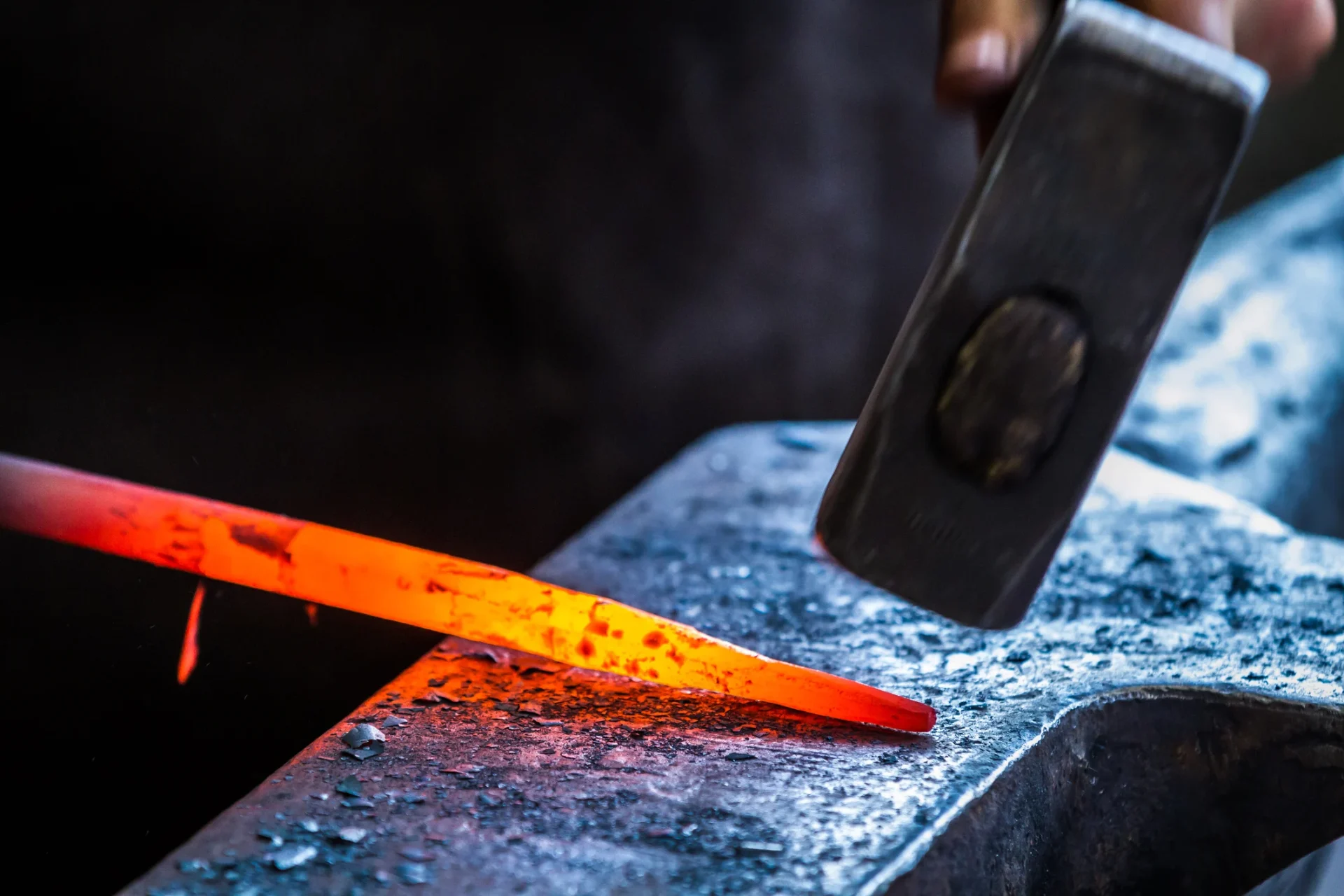
Similar to cutting, forging is also one of the oldest metal fabrication techniques. Used by blacksmiths centuries ago, forging is still widely used by blacksmiths and fabricators to create delicate artworks. Forging is a common method of making complex metalwork, and the process works by forcing compression to achieve a desired shape. In manual operations, forging involves heating the metal so it can be bent, shaped, and molded by striking with a hammer or die.
Similarly, there are different forging techniques, and while there may be differences between each method, one similarity is the use of compressive forces to mold, bend, or press the metal into the desired shape. Done at room temperature is known as cold forging. Completed by heating to a range above room temperature and below the recrystallization temperature is known as warm forging. When the metal is heated to its recrystallization temperature, it is called hot forging.
Folding
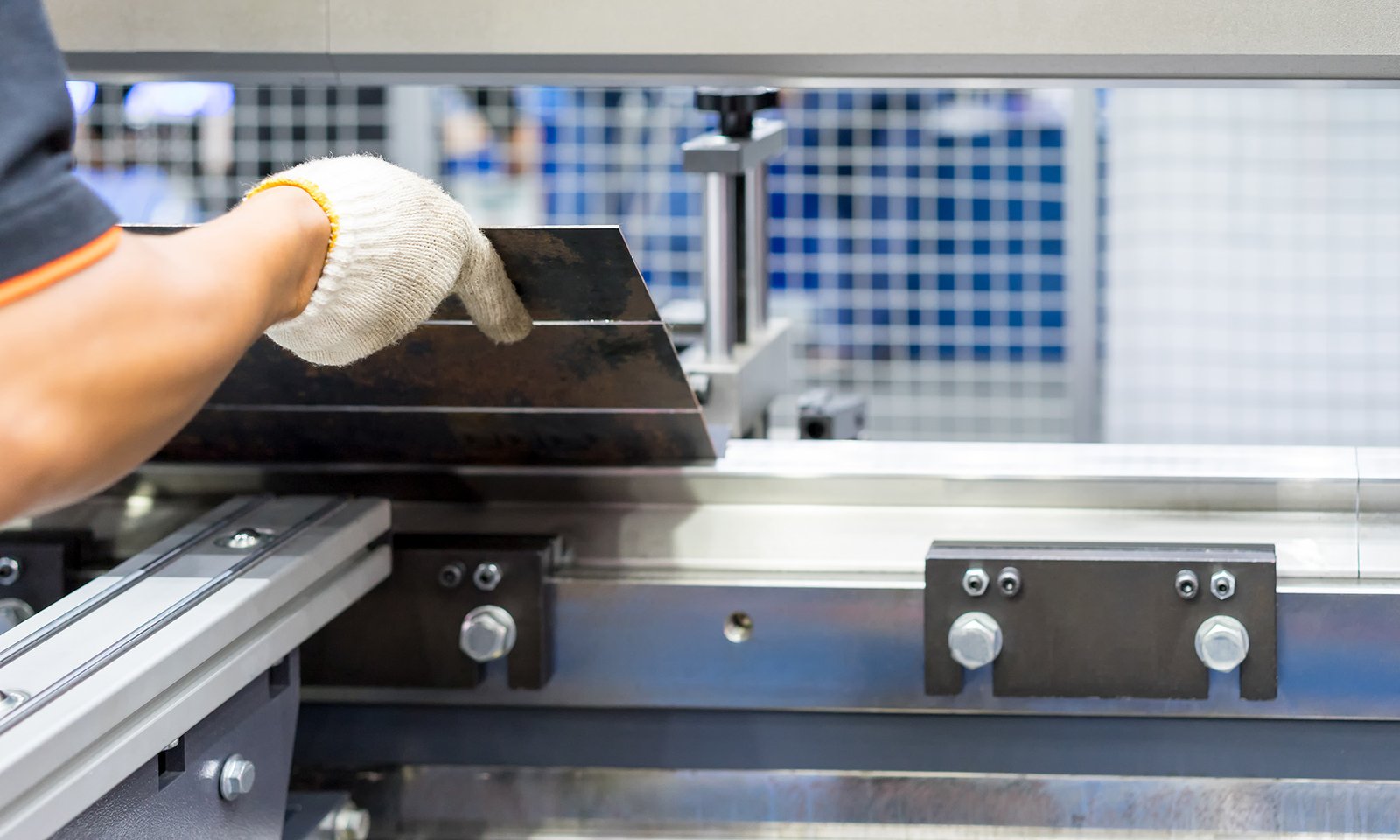
The principle of operation is to manipulate the metal to bend at a certain angle. The most common method is to use a braking press that creates a fold in the metal by pinching it. The workpiece is held between a punch and a die which is forced to crease by the pressure of the punch, which can also be done by hammering the workpiece until it bends or using a folding machine.
CNC Machining
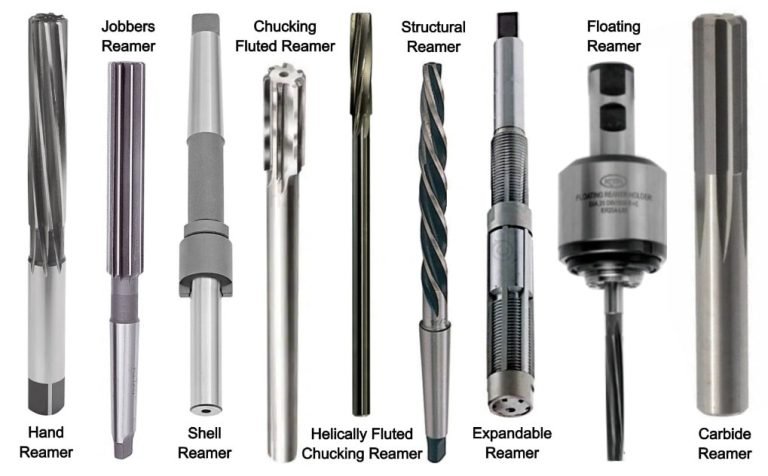
Machining is a subtractive molding process that shapes metal by removing unwanted material. This process can be performed in a number of ways, including drilling, turning, and milling.
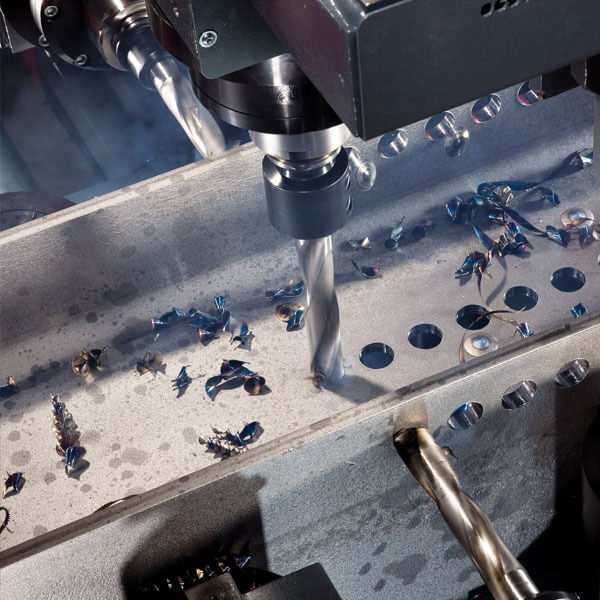
Drilling, as its name suggests, uses a rapidly rotating drill bit to drill a hole in the metal. It is very simple.
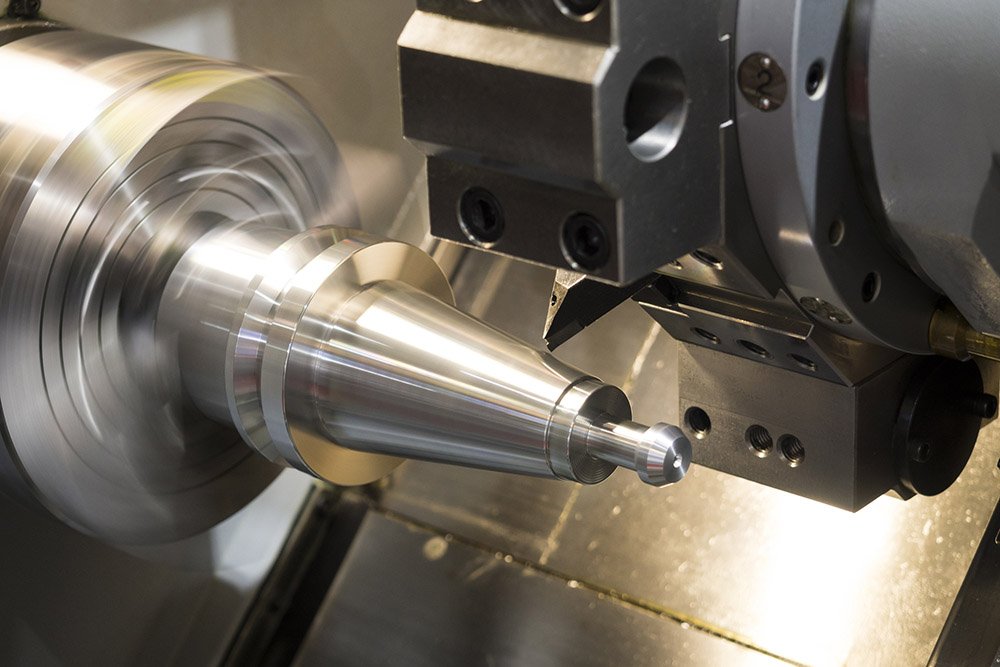
Turning uses a lathe to rotate the metal at a certain speed so that the cutting tool removes the metal in a circular motion.
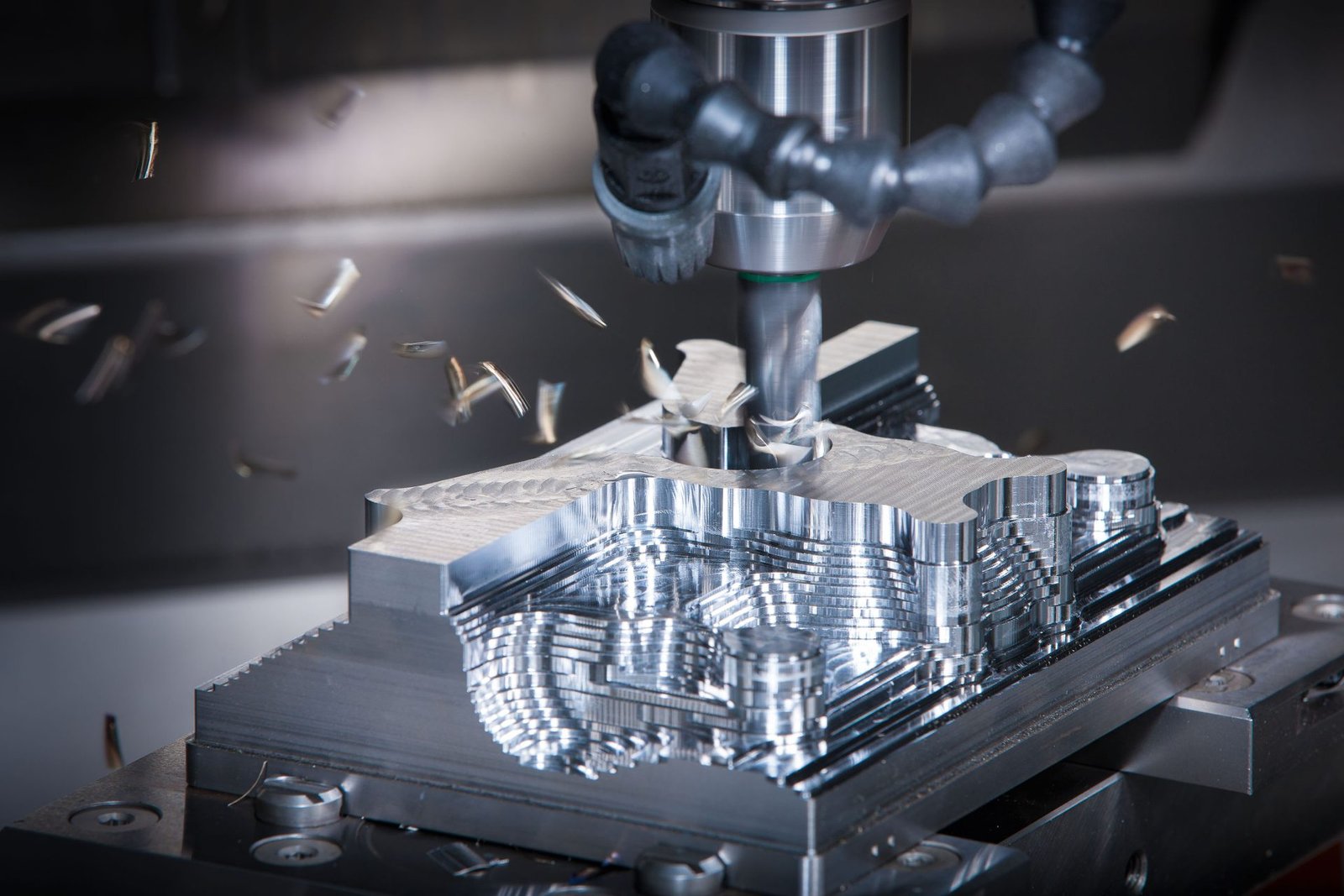
Milling is a very common process in metal fabrication, where a rotating multi-point cutting tool cuts metal from a workpiece until the desired shape is achieved.
Conclusion
When you stop to think about how many products are made of metal, you realize how important metal fabrication is to modern manufacturing. For thousands of years, humans have been making tools, artwork and other products with metal.Today, we are surrounded by more metal products than ever before. By reading several of the processes that can be used for metal fabrication in this article, we are confident that you have a better understanding of what metal fabrication is.
Why CYCO
Selecting the metal fabrication shop or metal fabricator that best meets the needs of your project is an important decision that can affect the speed of fabrication, quality of production, and cost effectiveness of your project.
CYCO, along with over twenty years of CNC machining experience and a professional staff, is ready to provide you with the best service and products that best meet your needs.
Contact us today or request an instant quote online and we will provide you with the best solution for your metal fabrication needs.