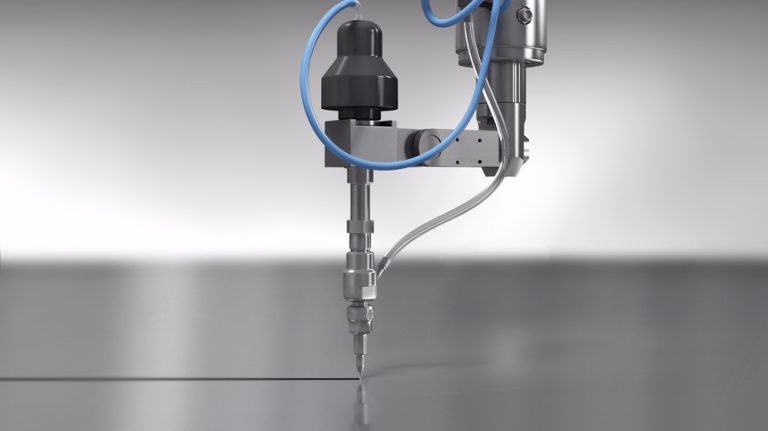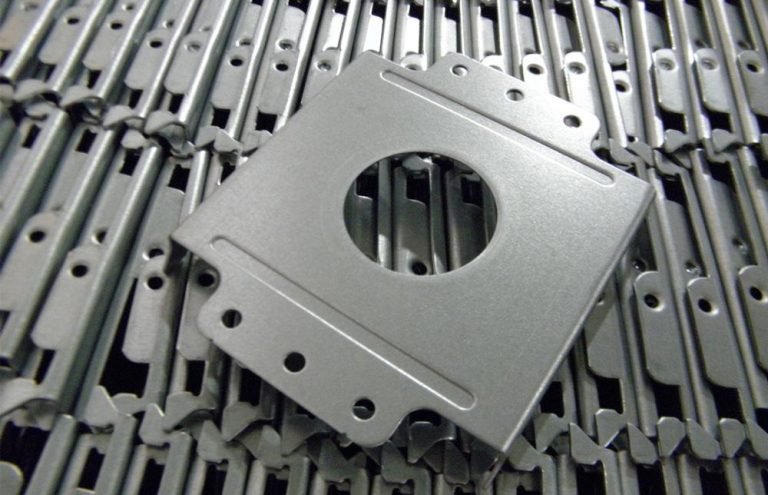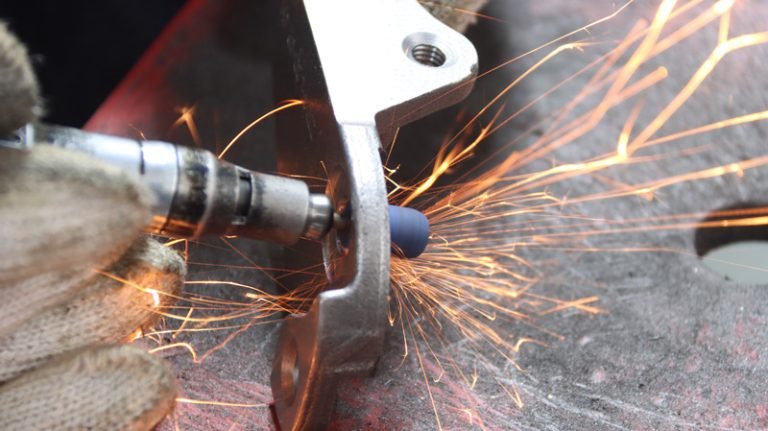
Precision parts machining is a critical process in the manufacturing industry, involving the production of high-precision components for various applications, such as aerospace, automotive, medical, electronics, and more. The market for precision parts machining has been growing steadily, driven by technological advancements, increasing demand for high-quality components, and the need for improved efficiency in manufacturing processes.
Here’s an analysis of the current market status and future prospects of precision parts machining:
1. Market Growth: The global precision parts machining market has been experiencing steady growth in recent years. According to market research, the market is expected to grow at a CAGR of around 6-8% during the forecast period (2023-2028). This growth can be attributed to the increasing demand for high-precision components in various industries, such as aerospace, automotive, medical, and electronics.
2. Technological Advancements: The precision parts machining industry has witnessed significant technological advancements, such as the adoption of computer numerical control (CNC) machines, automation, and advanced materials. These advancements have led to improved efficiency, reduced production time, and enhanced product quality, driving the market growth.
3. Industry 4.0 and Smart Manufacturing: The adoption of Industry 4.0 and smart manufacturing technologies, such as the Internet of Things (IoT), artificial intelligence (AI), and robotics, has been transforming the precision parts machining industry. These technologies enable better monitoring and control of the machining process, leading to improved efficiency, reduced waste, and lower production costs.
4. Outsourcing and Globalization: The trend of outsourcing precision parts machining to countries with lower labor costs, such as China and India, has been growing. This has led to increased competition in the market, driving innovation and the development of new machining techniques.
5. Challenges: The precision parts machining industry faces several challenges, such as the need for skilled labor, high initial investment costs, and increasing environmental regulations. These challenges may impact the market growth to some extent.
Prospects:
1. Continued Market Growth: The demand for high-precision components is expected to continue growing, driven by the increasing need for advanced products in various industries. This will likely result in sustained market growth for precision parts machining.
2. Adoption of Advanced Technologies: The industry is expected to continue adopting advanced technologies, such as additive manufacturing (3D printing), AI, and robotics, to improve efficiency and product quality further.
3. Focus on Sustainability: As environmental regulations become more stringent, the precision parts machining industry will need to focus on sustainable practices, such as reducing waste and energy consumption, and using eco-friendly materials.
4. Customization and Personalization: The demand for customized and personalized products is increasing, which may lead to a greater need for precision parts machining services that can cater to these specific requirements.
The precision parts machining market is expected to continue growing, driven by technological advancements, increasing demand for high-quality components, and the adoption of Industry 4.0 and smart manufacturing technologies. However, the industry must address challenges such as skilled labor shortages, high initial investment costs, and environmental regulations to maintain its growth trajectory.