There are several machining methods used in the production of auto parts. Here are some commonly employed techniques:
1. Turning: Turning is a machining process that involves rotating a workpiece while a cutting tool removes material to create cylindrical shapes, such as shafts, pins, and sleeves. This method is commonly used for creating round features on auto parts.
2. Milling: Milling is a versatile machining process that utilizes rotary cutters to remove material from a workpiece. It can produce various shapes and features, including slots, pockets, and complex contours. Milling is employed in the production of engine blocks, cylinder heads, and other components.
3. Drilling: Drilling involves creating holes in a workpiece using a rotating drill bit. It is commonly used in auto parts manufacturing to create holes for bolts, fasteners, and other components.
4. Grinding: Grinding is a precision machining process that uses an abrasive wheel to remove material and achieve tight tolerances and smooth finishes. It is often employed for finishing operations on auto parts, such as camshafts, crankshafts, and gears.
5. Boring: Boring is a machining process used to enlarge existing holes or create precise internal cylindrical features. It is commonly used in engine manufacturing for creating cylinder bores.
6. Broaching: Broaching is a method used to produce complex internal or external shapes, such as splines, keyways, and gears. It involves using a specialized tool with multiple cutting teeth to remove material incrementally.
7. Honing: Honing is a finishing process used to achieve precise dimensions, smooth surfaces, and improved geometric accuracy. It is commonly employed in cylinder bores and other critical engine components.
8. Electrochemical Machining (ECM): ECM is a non-traditional machining process that uses the principle of electrochemistry to remove material. It is often used for intricate and delicate parts where traditional machining methods are not feasible.
9. Electrical Discharge Machining (EDM): EDM is a non-conventional machining process that uses electrical discharges to remove material from a workpiece. It is commonly used for complex shapes and hardened materials.
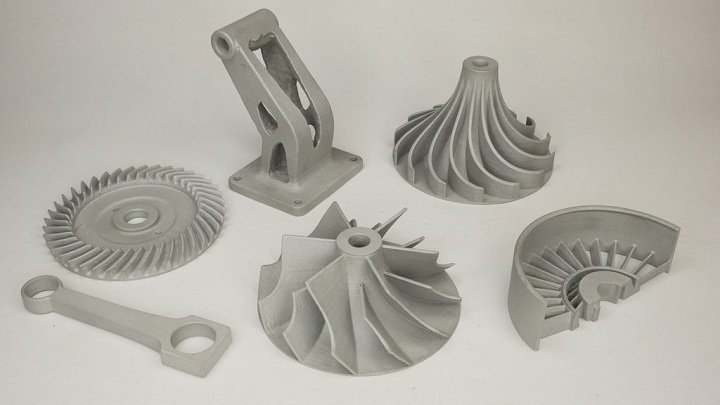
10. 3D Printing/Additive Manufacturing: While not a traditional machining method, 3D printing, also known as additive manufacturing, is increasingly used in the production of auto parts. It involves building parts layer by layer using computer-controlled deposition of materials. 3D printing offers design flexibility and the ability to create complex geometries with reduced material waste.
These are just a few examples of the machining methods used in the production of auto parts. The specific methods employed depend on the part’s design, material, complexity, and required tolerances.