There are many different types of plastics with different forms, colors and properties. The use of machinable plastics depends on their properties, some plastics have excellent mechanical properties and can even replace metals. Commonly used plastic materials for CNC machining by CYCO are as follows:
ABS
Introduction
ABS plastic is a terpolymer of three monomers, acrylonitrile (A), butadiene (B), and styrene (S), and the relative contents of the three monomers can be varied arbitrarily to make various resins. The contents of the three monomers can be changed arbitrarily to make various resins.
ABS combines the common properties of all three groups of components; A makes it chemically resistant, heat resistant, and has a certain surface hardness, B gives it high elasticity and toughness, and S allows it the processing and molding characteristics of a thermoplastic with improved electrical properties.
ABS is a rigid material with a good combination of properties and a wide range of applications. It is widely used in chemical industry and manufacturing industries like mechanical, electrical, textile, automobile, aircraft, ship and more.
Characteristics
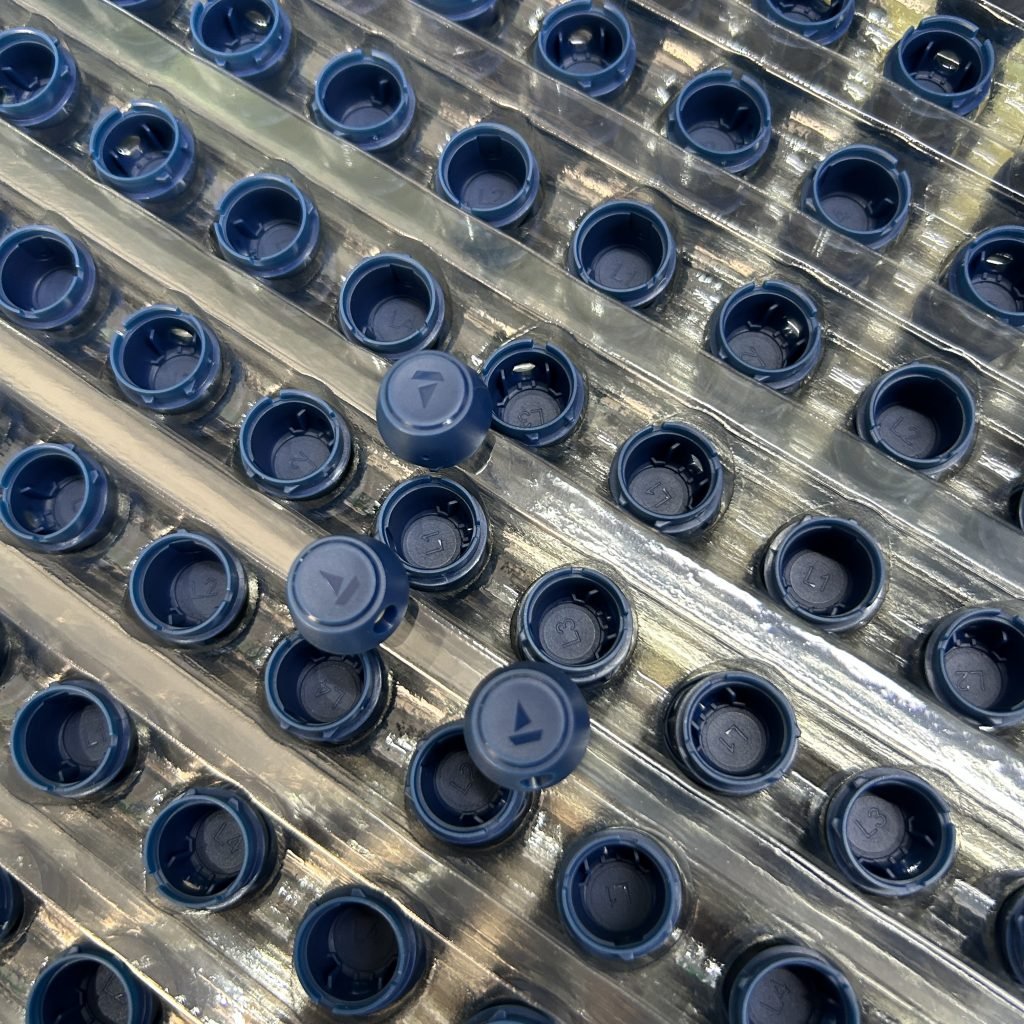
ABS plastic is nontoxic and tasteless, usually light ivory, can be made into other colors through pigments, that is why we can see a variety of colors of ABS plastic products on the market. At the same time, it has many grades, such as general-purpose grade, heat-resistant grade and more, we can choose according to our needs.
1. The heat distortion temperature of ABS is 93~118℃, and the products can be increased about 10℃ after annealing treatment. In addition, ABS still has toughness at -40℃ and can be used in the temperature range of -40~100℃.
2. Commonly known as unbreakable rubber, it has excellent abrasion resistance and can resist high strength. The dimensional stability and toughness are also very good.
3. ABS combines well with other materials, and it is easy to print, coat and plate surfaces. ABS chromium plating is used for many decorative parts of automobiles.
Applications
Due to its excellent performance, easy processing, and low price, ABS is widely used in the electronics, instrumentation, automotive, and construction industries.
Nylon(PA)
Introduction
Polyamide, PA for short, commonly known as Nylon, is a synthetic thermoplastic linear polyamide (a large molecule whose molecules are bound together by a special type of bond), first produced by American chemist Wallace Carothers in 1935. Nylon 66, still one of the most commonly used plastics, is also produced by Wallace.
Nylon polymerized by ring-opening polymerization of lactam is called Nylon x, abbreviated as PAx. e.g. PA6, which is obtained by ring-opening polymerization of caprolactam.
The polymer obtained by polycondensation of binary acid and diamine is called Nylon xy, where x represents the number of carbon atoms in the diamine constituting the main chain, and y represents the number of carbon atoms in the binary acid constituting the main chain.
Characteristics
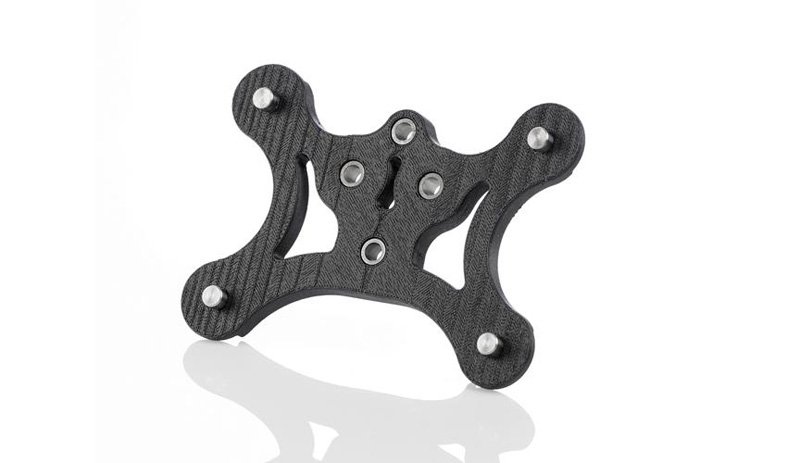
Nylon is a condensation copolymer, made by combining several different monomers with each other. Nylon is produced in a variety of ways, usually starting with the distillation of crude oil, but it can also be produced from biomass. It has excellent performance.
1. Excellent overall performance in terms of strength, rigidity and impact resistance.
2. Outstanding resistance to oil, organic solvents, chemicals, not subject to hydrocarbons, gasoline, lubricants and other oils, but strong acids, phenols, special saline solutions (such as calcium chloride, zinc chloride) except.
3. High surface hardness and low coefficient of friction, brilliant resistance to friction and abrasion, especially after adding PTFE, molybdenum disulfide and graphite, it has better friction and abrasion resistance.
4. Easily reacts with polar monomers or polymers at certain temperatures to create a variety of polymer alloys.
Applications
PA is used in almost all industrial sectors due to its good electrical insulation, sliding friction and excellent mechanical strength. PA can be made into plastics that meet a variety of flame retardant levels. Representative products include a wide range of controller units, connectors and household appliances.
PE
Introduction
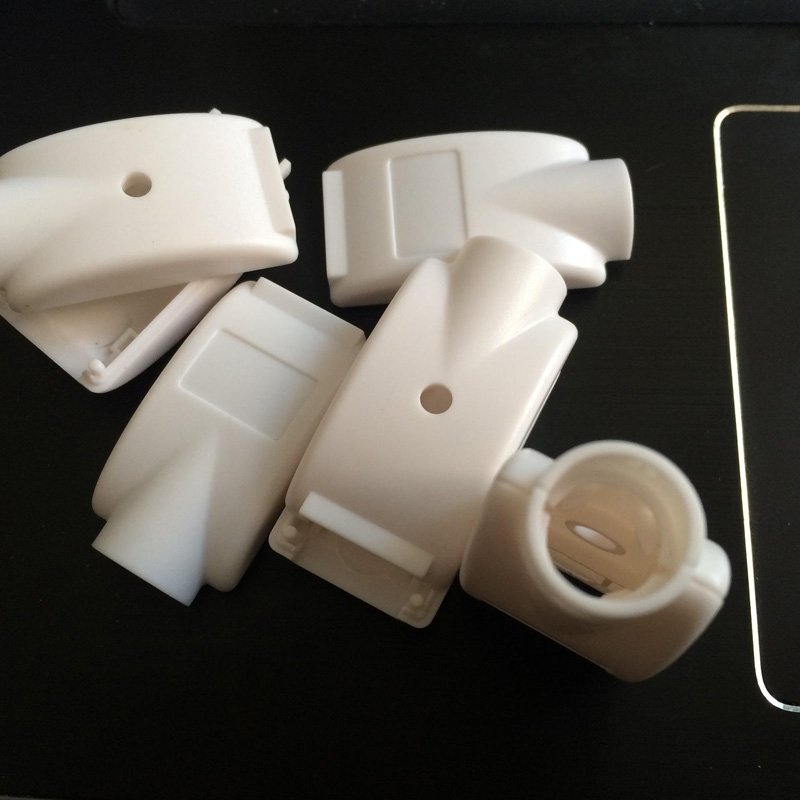
Polyethylene, abbreviated as PE, is a thermoplastic resin produced by polymerization of ethylene monomer. Polyethylene is non-odorous, non-toxic, and feels like wax to the touch. Polyethylene is sensitive to environmental stresses and can be processed by normal thermoplastic molding methods. With the development of petrochemical industry, the production of PE has been developed rapidly, and the output accounts for about 1/4 of the total output of plastics.
Characteristics
1. Excellent low-temperature resistance, the lowest use temperature can reach -100~-70°C.
2. Good chemical stability, resistant to most acids and bases, but not resistant to acids with oxidizing properties.
3. Low water absorption, not dissolved in normal solvents at room temperature.
4. Superior electrical insulation.
Classification
Based on different polymerization methods, molecular weights and chain structures, it can be classified as follows:
LDPE: low-density PE
LLDPE: linear low-density PE
HDPE: high-density PE
UHMWPE: ultra-high molecular weight PE (1 million or more)
Applications
High-pressure PE: more than half are used to manufacture film products, followed by pipes, injection molded products, and wire wrapping layers.
Medium and low pressure PE: injection molded products and hollow products.
UHPE: can be used as an engineering plastic due to its excellent comprehensive performance.
PP
Introduction
PP, short for polypropylene, a polymer formed by the polymerization reaction of propylene, is an organic substance.PP is a white, waxy material with a transparent and light appearance. Polypropylene is a thermoplastic synthetic resin with excellent performance, one of the four general-purpose thermoplastic resins (PE, PVC, PP and PS), also one of the most commonly used plastics in the world.

Characteristics
1. Odorless, tasteless and non-toxic, lightest of the commonly used resins.
2. Flammable, melting point is 164~170℃, soften around 155℃, using temperature range is -30~140℃. It can resist the corrosion of acid, base, salt liquid and many kinds of organic solvents under 80℃, and can be decomposed under high temperature and oxidation.
3. It is elastic within a certain range and will deform without breaking at the early stage of deformation.
4. It has high electrical resistance and excellent electrical insulation even in humid environments, making it a good insulating material.
5. Retains its shape after a lot of twisting and bending.
Applications
In Europe and the United States, it is mainly used as parts of automobiles, electrical appliances, various containers, furniture, packaging materials and medical equipment, while China mainly uses it in food packaging, household goods, automobiles, and fiber optics.
PVC
Introduction
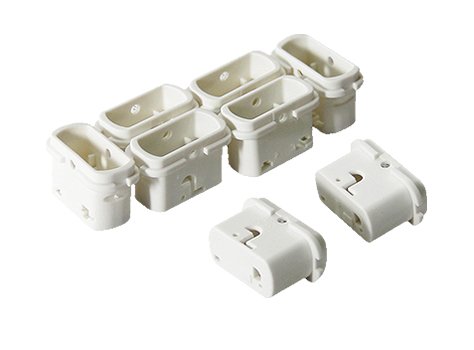
Polyvinyl chloride, or PVC, an amorphous structure of white powder, is the third most produced synthetic polymer plastic in the world (behind PE and PP). PVC has a great variety of applications, and it was once the world’s most produced universal plastic (about 40 million tons produced annually).
Characteristics
1. Slightly yellow translucent, glossy. Its transparency is better than that of PE and PP and worse than that of PS.
2. Stable, not easy to be corroded by acids and bases; not soluble in water, alcohol and gasoline; and low gas and vapor permeability.
3. Favorable mechanical strength and electrical insulation.
4. Flame retardant but poorly stabilized against light and heat. Without a heat stabilizer, decomposition starts at 100℃, faster above 130℃. When heated, it releases hydrogen chloride gas, which is toxic and can cause it to change color.
Applications
PVC is available in two forms, rigid PVC(RPVC) and flexible PVC. Rigid PVC is used for building pipes, doors and windows, plastic packaging, bank or membership cards. The addition of plasticizers makes PVC softer and more flexible. Flexible PVC is used to manufacture pipes, cable insulation, signs, phonograph records, inflatable products and rubber substitutes.
PS
Introduction
Polystyrene, abbreviated PS, is a polymer synthesized from styrene monomer by a free radical polymerization reaction. It is a colorless, transparent thermoplastic with a glass transition temperature higher than 100℃. It is often used to produce disposable containers that need to withstand the temperature of boiling water, such as disposable foam lunch boxes.
Characteristics
1. Non-toxic, odorless, colorless transparent granules (easy to be colored).
2. Products made of PS have a very high level of transparency, with a light transmission rate of more than 90%.
3. Superb electrical insulation and chemical resistance.
4. Poor combustibility, it goes out when it is away from the fire. It burns with an irritating odor and turns soft.
Applications
Mainly used in the production of components for household appliances,alsoin the fabrication of daily necessities. However, due to the problem of “white pollution” caused by PS disposable items, the use of PS in disposable products will decrease gradually.
POM
Introduction
Paraformaldehyde, also known as POM, a synthetic resin, is a white or black plastic pellet. It is a linear polymer with no side chains, high density and high crystallinity. According to the different chemical structure in its molecular chain, it can be divided into two kinds, H-POM and Co-POM. It is the third largest universal engineering plastic because of its excellent comprehensive performance.
Characteristics
1. H-POM: high density, crystallinity and melting point, but poor thermal stability. Narrow machining temperature range (about 10℃), low stability to acid and base.
2. C-POM: low density, crystallinity, melting point and strength, but good thermal stability, not easy to be decomposed. Wide machining temperature range (about 50℃), good stability to acid and base.
3. Great physical, mechanical and chemical properties, especially excellent friction resistance.
4. High hardness but the product is prone to shrinking or warping.
5. Superior electrical insulation, nearly unaffected by temperature and humidity.
Applications
It can replace most non-ferrous metals and can be used to produce mechanical parts such as gears, screws and bearings. At present, it is used in applications ranging from household items such as zippers and toothbrush handles to safety parts such as door locks, latches, seatbelt latches, and fuel system parts for automobiles.
PEEK
Introduction
Polyether ether ketone (PEEK) is a polymer consisting of repeating units with one ketone bond and two ether bonds in the main chain structure, it is a special polymer material. It is a semi-crystalline polymer material, which can be used as high-temperature-resistant structural materials and electrical insulating materials, and can be combined with glass fibers or carbon fibers to produce reinforcing materials. If you compare plastic materials to a pyramid, PEEK is the one at the top.
Characteristics
1. Strong heat resistance, the heat distortion temperature can reach 160℃, and after adding 30% glass fiber, the heat distortion temperature can reach 316℃.
2. It can maintain high strength at high temperature, and the bending strength at 200℃ still has 24mpa.
3. Strong corrosion resistance, PEEK is not dissolved in any solvents and strong acids, strong bases, except concentrated sulfuric acid.
4. Self-extinguishing without any flame retardant.
5. Superior dimensional stability, temperature changes only have little effect on the dimensions of PEEK parts.
6. Expensive than other plastic materials.
Applications
Because of its excellent comprehensive performance, PEEK can replace traditional materials such as metals and ceramics in many special fields. As one of the hottest high-performance engineering plastics nowadays, it is mainly used in aerospace, automotive industry, electronics and medical devices.
Summary
Choosing the right machining technology can be very challenging, so you need to outsource to a plastics CNC service provider. CYCO offers customized CNC machining services for plastics and can help you create or design prototypes based on your needs.
We have a wide range of plastic materials suitable for CNC machining, CYCO can help you choose the correct and suitable material and our dedicated team can provide expert advice on material selection and design advice.
Upload your design to get a instant quote now or contact us for more information.