Definition of galvanization
A surface treatment technique that refers to plating metals, alloys, and other materials with a zinc coating for aesthetic and rust prevention.
Zinc acts as a sacrificial coating to protect the substrate underneath, so galvanization is often used to extend the life of metal parts.
This type of metal plating is versatile and can be used for parts in different industries such as automotive, solar, electronics and construction.
Principle of galvanization
In the bath of galvanizing solution, the cleaned and specially pre-treated parts to be plated are used as the cathode, and the anode is made of the plated metal, the two poles are connected to the positive and negative poles of the DC power supply respectively.
The galvanizing solution consists of an aqueous solution containing compounds of the coated metal, conductive salts, buffers, pH adjusters and additives. When energized, the metal ions in the galvanizing solution move to the cathode to form a coating under the action of potential difference. The metal at the anode forms metal ions into the galvanizing solution to maintain the concentration of the metal ions being plated.
When galvanizing, the quality of the anode material, the composition of the galvanizing solution, the temperature, the current density, the energizing time, the stirring intensity, the precipitated impurities, and the power supply waveform all affect the quality of the coating and need to be controlled in due course.
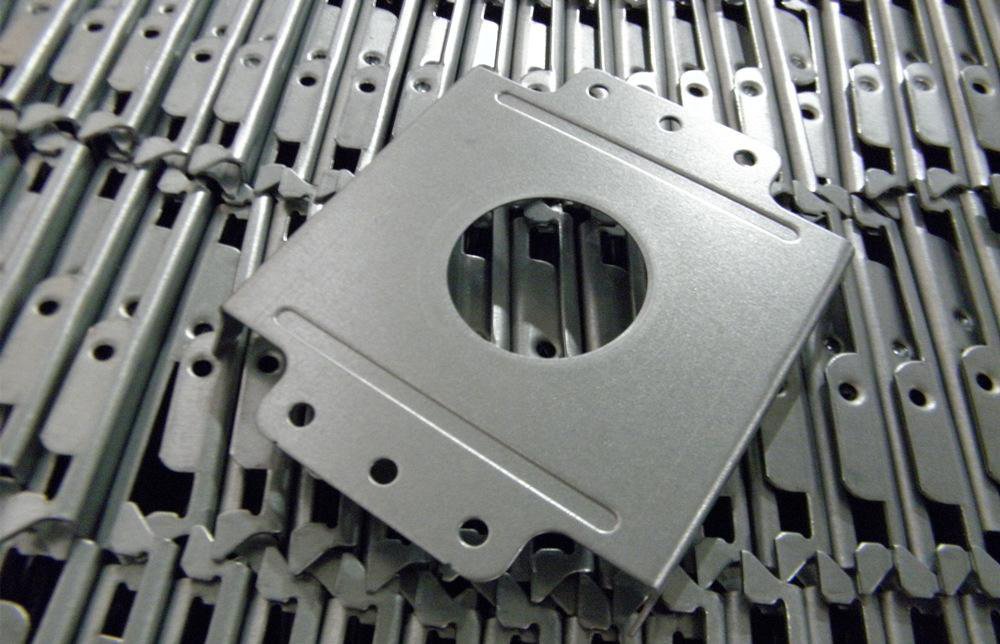
The process of galvanization can be divided into three stages:
- Preparation of the metal surface
- Galvanizing
- Surface treatment after galvanization
In general, galvanization protects metals based on the following principles:
- The zinc coating protects the base metal from corrosive substances such as acids, caustic alkalis and gases.
- Zinc is a sacrificial metal. When the coating is scratched, zinc sacrifices its anode to protect the base metal from rusting.
The preparation and post-treatment methods will determine the effectiveness of the galvanization process.
Inadequate preparation will affect the reaction between the base metal and the galvanizing solution, and insufficient post-treatment will affect the final appearance of the galvanized layer, which will influence the overall effect of the product.
Different methods of galvanization
Hot dipping galvanizing
The immersion of the base metal in a molten pool of zinc.
- Before galvanizing, the base metal must be chemically or mechanically cleaned in order to remove any residual oxides and to ensure the quality of the bond between the metal and the zinc coating.
- The dipping process is carried out in a heated zinc bath, usually at a temperature of about 460°C. When the bond between the zinc and the metal substrate begins to form, the zinc is dipped into the molten zinc bath. When the zinc begins to form a metallurgical bond with the metal substrate, it is removed from the bath and reacts with oxygen to form zinc oxide. The zinc oxide also reacts with carbon dioxide to form zinc carbonate, which is the final protective coating.
Hot dipping galvanizing is a fast, economical method that can be performed on both simple and complex sheet metal parts. However, improper handling may result in an inconsistent coating on the metal surface.
Cold galvanizing
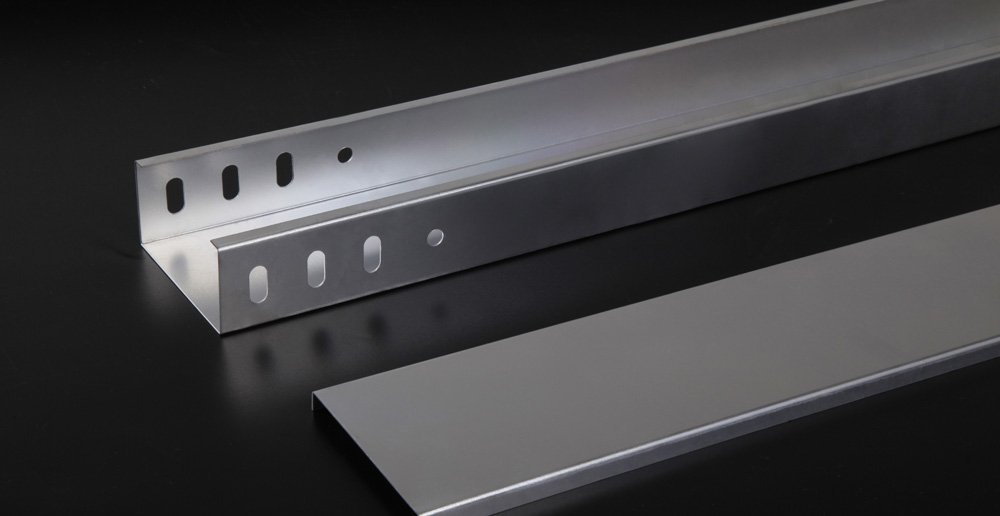
Also called electro-galvanizing, the parts to be galvanized are put into a zinc salt solution after degreasing and pickling, a layer of zinc is deposited on its surface by using the directional movement of the electric current from the positive pole to the negative pole, and the electric current serves to transfer the zinc ions to the metal substrate.
This method reduces the positively charged zinc ions to metallic zinc, then deposits the metallic zinc on the positively charged metal. Grain refiners can also be added to ensure a smooth zinc layer.
This process creates a precise and uniform coating thickness on the metal, and the coating is typically thinner than that of hot dipping galvanizing.
Annealing galvanizing
A combination of hot dipping galvanizing and annealing processes, the purpose of which is to apply a special coating to the steel.
The annealing and hot dipping processes are performed at the same time to produce a matte gray finish.
The hot-dip process is usually carried out before the plated metal passes through an air knife, which helps to remove excess zinc from the metal. Then the metal is briefly heated in an annealing furnace at a temperature of 500 to 565 °C. The zinc and iron layers diffuse into each other to form a zinc-iron alloy on the surface.
Galvanized steel sheets produced in this way can withstand welding very well and their surface ensures excellent paint adhesion.
Advantages of galvanization
Increase durability
One of the most durable coatings in metal finishes. Industrial galvanized steel can last more than 50 years in normal environments and more than 20 years even with frequent water exposure.
If a coating with an average thickness of 85 µm is used, steel structures can last up to 100 years. Maintenance is basically not required in most cases, which increases the reliability of the product.
Provides triple protection for metals
Galvanization protects metal in three areas:
- Provide a physical barrier: protects the metal from atmospheric conditions. The bonding strength of this highly durable coating is over seven times stronger than that of organic coatings. This ensures that the metal remains maintenance-free for a longer period of time.
- Offer a sacrificial layer of protection: whenever a small scratch occurs on the galvanized metal, the zinc sacrifices its anode. The zinc will preferentially corrode the underlying metal to provide long term protection.
- Prevent lateral creep: a form of corrosion that occurs when rust deposits accumulate on exposed steel. It is assumed that the zinc coating is damaged to expose the bare steel, and in such cases the zinc coating can limit the extent of the damage.
Full coverage
Besides its outstanding strength and durability, galvanization also offers excellent coverage, which ensures that even the most vulnerable areas of the metal are protected for the long term.
Hot dipping galvanizing can also coat the inner surfaces of hollow parts, and it provides protection for parts from the inside to the outside. Unlike powder coating, galvanizing also forms a coating on critical edges and corners, so both large and small parts receive the same level of protection against corrosion.
Reliable coating
The iron in the alloy is easily rusted, but the combination of zinc and iron helps to form a protective layer between the metal and moisture or oxygen, even grooves and sharp corners are protected from damage by this coating.
Cost effectiveness
Unlike many other metal treatment processes, galvanized metal can be put to use immediately. This process provides a high-performance coating that eliminates the need to refinish parts. There is also no maintenance to worry about in most cases, which reduces the overall cost of galvanized metal.
Fast turnaround
Once the metal and molten zinc are prepared, galvanizing can be completed in just a few minutes. Pre-cleaning and preparation of the metal must be done thoroughly, but it does not need to take much time. By working with a professional company such as CYCO, the entire process is time-saving. Preparing the product in a short period will help to achieve goals faster.
Common factors affecting the speed and quality of galvanization
- Incomplete pretreatment. There is an oxide film on the surface of the workpiece, which affects the normal deposition of zinc.
- Poor conductivity. The current allocated to the surface of the workpiece is too small.
- High carbon content of the workpiece. High carbon steel and cast iron will reduce the potential for hydrogen precipitation, and accelerated hydrogen precipitation on the surface of the workpiece will result in lower current efficiency.
- Workpiece tied too tight. When galvanizing, the workpiece is partially shielded and results in too thin a coating.
- Low temperature of plating solution. The lower the temperature of the plating solution, the lower the current density of the distribution, the lower the deposition rate of the plating layer.
- High sodium hydroxide content in the plating solution. When the content of sodium hydroxide is high, the current efficiency is reduced accordingly.
- Low content of additives in the plating solution. Low content of additives will affect the dispersion ability, and the plating layer will be too thin locally.
- Insufficient area estimation of the plated parts will lead to small current density of distribution.
- Improper hanging method of the workpiece, and the position should be adjusted when the distance is too large.
- Anode passivation. The effective area is reduced, affecting the normal distribution of current.
- Low sodium hydroxide content. If the sodium hydroxide content is low, the current density cannot be increased.
Industrial applications of galvanized metals
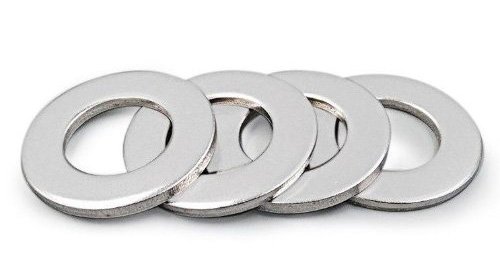
Galvanized metals are used in a wide range of applications, from large automotive and aerospace components to small nuts and bolts. Galvanized metal is widely used because it is cost-effective and provides a durable coating.
It is one of the best finishing options if exposure to harsh environmental conditions is required.
Here are some of the industries where galvanized metal sheets are of great value:
Wind and Solar
Once a solar project is installed, it must run continuously, any repair or maintenance costs a lot of money. Galvanized sheets are widely used in solar installations because of their ability to resist corrosion.
Automotive
Galvanized bodies are now standard in automotive manufacturing, and the ability of galvanized steel to resist corrosion makes it a useful tool in automotive prototyping and parts manufacturing, as it allows companies to offer consumers a “Rust Guarantee”.
Telecommunications
Wires are challenging to maintain because they are tall and difficult to access. To minimize maintenance, they need strong and reliable materials. Telephone cords and equipment boxes can be made of galvanized metal as it reduces the risk of damage.
Construction
Galvanized steel has been a major material in the construction industry, both commercial and residential. In addition to its durability, it is used in the construction industry for its aesthetic appeal. Galvanized steel has a modern look due to its “shine” and designers often use it in modern architectural design concepts.
Conclusion
Galvanized metal offers a variety of benefits, including durability, corrosion resistance and cost-effectiveness. It is a metal that has a wide range of applications in many industries, and if you need a high-quality and aesthetically pleasing finish for your product, you should definitely consider galvanized metal.
If you are still unsure about which material or finish to choose for your product, let CYCO help you. With over two decades of experience in CNC machining, we have extensive knowledge of surface finishes and are committed to providing quality CNC machining and manufacturing services.
Contact us for a free and instant quote, work with us for a worry-free experience.