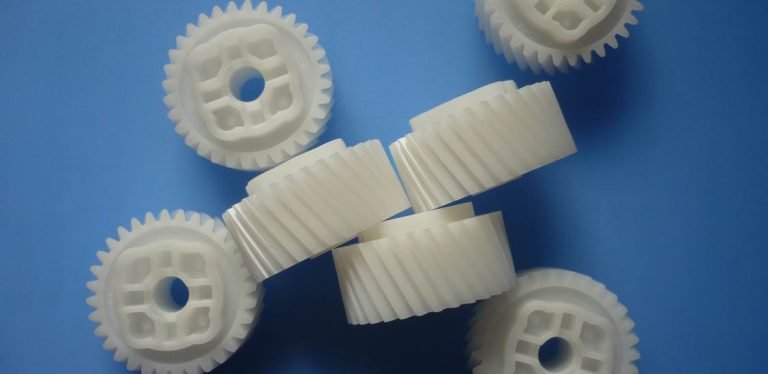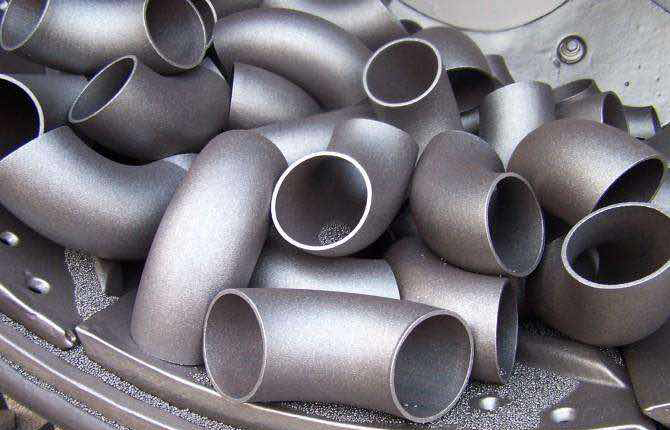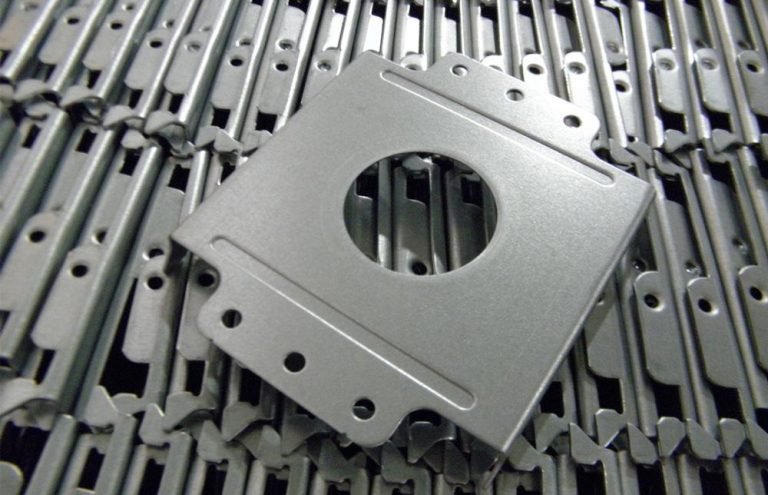
Investment casting, also known as lost wax casting or precision casting, is a long-established and widely used manufacturing process. As a precision casting method, investment casting has evolved into a highly accurate, complex and versatile method of producing metal parts that play an integral role in modern industry.
Introduction of Investment Casting
Investment casting, is an advanced metal fabrication process used to produce metal parts of complex shapes and high precision. It uses fusible materials (such as wax and plastic) to make a mold of the part, and then covers the surface of the model with a layer of refractory coating to form a molten mold. When the mold dries and hardens, the model inside is melted or sintered to create a cavity inside the shell that matches the shape of the part. Eventually, molten metal is poured into the cavity to produce a metal part of complex shape and high precision.
Modern investment casting technology has evolved into a highly accurate, complex and versatile production method that can be used to manufacture a wide range of metal parts. It is applicable to a wide range of metal materials, including iron, steel, aluminum, copper, nickel-based alloys, and titanium alloys.
Process and Precautions for Investment Casting
Model Preparation
- A model of the same shape as the final part is made with a soluble material, usually wax.
- Models can be made by hand sculpting, injection molding, 3D printing, or other methods.
Precautions:
- Ensure that the design of the model meets the process requirements, including avoiding overly complex geometries and ensuring proper wall thickness.
- Check the surface smoothness and accuracy of the model to ensure that the final part meets the specifications.
Mold Preparation
- Coat the model with multiple layers of refractory material, usually ceramic slurry, each layer needing to dry and harden before the next layer can be applied.
- This is repeated until a shell of sufficient thickness and strength is formed. In order to improve the performance of the shell, sand can also be spread between the applied coatings.
- Secure the model and coated fusion mold to the support material to form a monolithic fusion mold set.
Precautions:
- Ensure that the refractory coating of the molten mold is evenly applied to avoid unevenness of the mold surface.
- Control the layer thickness of the refractory coating to ensure the stability and strength of the molten mold.
Mold Release (Lost Wax)
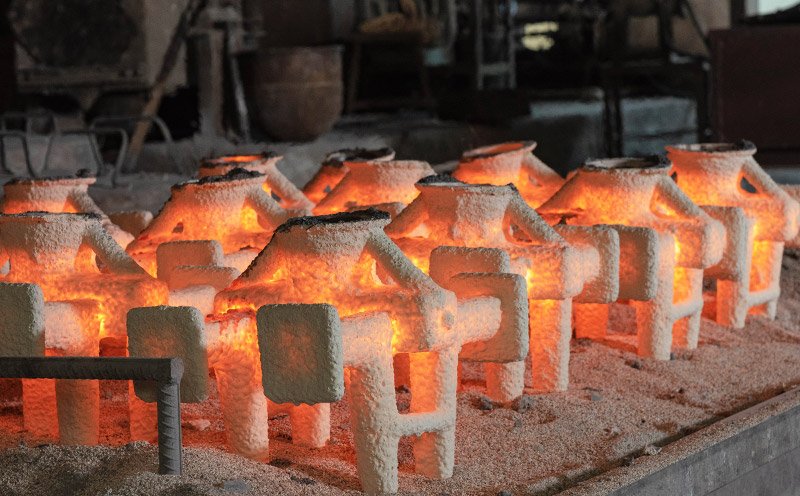
- The entire model and mold combination is placed in a high-temperature furnace to melt or sinter the wax model, which leaves a cavity in the mold that is the same shape as the part.
- When all the model material has been melted and discharged, the temperature is continued to be raised to completely harden the mold shell and eliminate residual organic matter.
Precautions:
- Ensure that the temperature and time of the demolding melt are properly controlled to prevent residues of molten wax or other modeling materials.
- Avoid heating and cooling too fast or too slow during the demolding process to avoid cracking or deformation of the mold.
Pouring
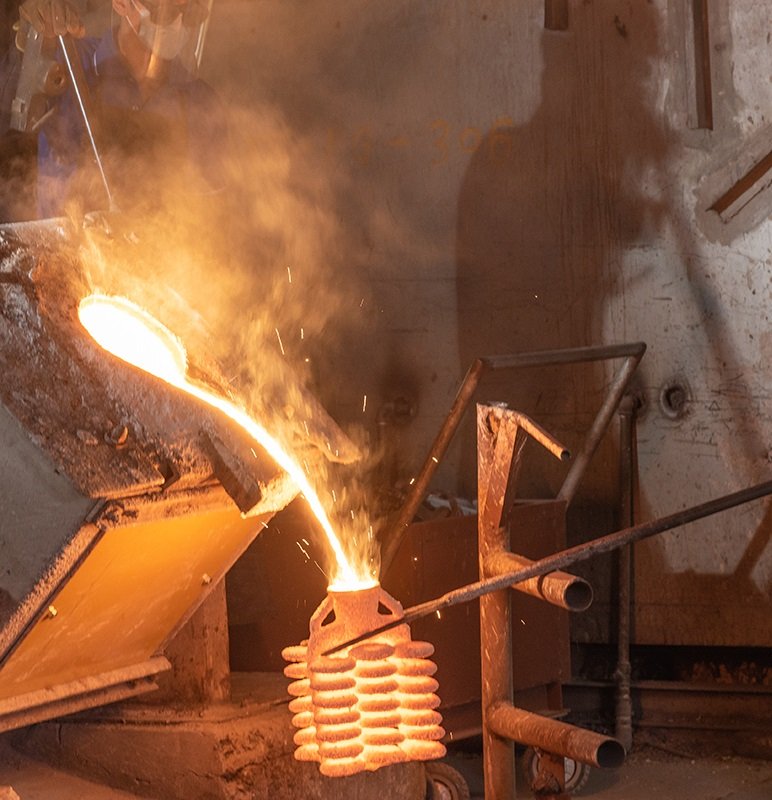
- Pouring of molten metal into a formed mold. The metal fills the cavity and acquires the same shape as the model.
- The temperature and fluidity of the cast metal is controlled according to the specific metal alloy and part requirements.
Precautions:
- Control the pouring temperature of the metal alloy to ensure complete and uniform filling of the mold.
- Ensure that the pouring system is designed to minimize gas entrainment to prevent porosity.
Cooling and Solidification
- After casting, the metal cools in the mold and gradually solidifies into the final metal part.
- The cooling rate and temperature control are critical to the properties and structure of the final part.
Precautions:
- Ensure uniform cooling inside the mold to avoid stresses caused by temperature gradients.
- Control the cooling rate to ensure that the metal is sufficiently cured to prevent defects.
Separation and Cleaning
- After the metal has completely cooled and cured, separate the mold from the metal part.
- Remove the residual mold shell material and perform the necessary subsequent processing on the casting, such as cutting, grinding and polishing, to ensure the quality of the part surface.
Precautions:
- Separate the mold carefully to prevent damage to the part.
- Take care to avoid excessive mechanical force during cleaning to prevent damage to the surface of the parts.
- Perform rigorous quality inspections, including checks on dimensions, surface quality, and other specific requirements.
Materials for Investment Casting
Mold Materials
Usually need to have good refractoriness, thermal stability and corrosion resistance to withstand high temperature and metal corrosion.
- Silicate Sand: The main component is silica, which is the most commonly used sand material for investment casting. It has high refractoriness and corrosion resistance.
- Silicate Slurry: A mixture of silicate sand and water glass is used to form a delicate coating on the surface of the mold.
- Silicate Sand Core: Used to form hollow structures or cavities in investment casting.
- Silicate Powder: For coating the surface of wax molds to form part of the ceramic shell.
- Ceramic Particles: Often used to form molds with ceramic particles, these particles are able to withstand high temperatures.
Melt Mold Material
A soluble model or template material used in the manufacture of a molten mold. These materials are usually easy to work with, sticky and can be formed into complex geometries.
- Conventional Wax: In conventional investment casting, various wax materials such as paraffin or synthetic waxes are commonly used. These wax models have good plasticity and machinability.
- Polywax: A high molecular weight polymer that is commonly used in the preparation of investment castings with high temperature requirements. Polywax can withstand higher pouring temperatures without losing its shape.
- Polystyrene Foam: A simpler melt mold suitable for single use. EPS can ablate or melt during dewaxing.
- Polyethylene: Another material that can be used in the preparation of melt molds, especially in low-temperature casting applications.
Metals Used in Investment Casting
- Stainless Steel: Because of its excellent corrosion resistance, high strength and mechanical properties, stainless steel is widely used in investment casting. Suitable for the manufacture of a variety of components, including automotive parts, industrial valves and aerospace components.
- Nickel-based Alloys: Including Inconel, Hastelloy series, which have excellent high-temperature strength, corrosion resistance and oxidation resistance. Commonly used in aero-engine parts, combustion chamber components, and more.
- Aluminum Alloys: Used in investment casting to make lightweight, thermally conductive parts such as aerospace structural components, automotive parts and electronic equipment housings.
- Titanium Alloys: With high strength, low density and good corrosion resistance, they are used in aerospace, medical and chemical industries.
- Precious Metal Alloys: Gold, silver, platinum and other precious metal alloys are used in investment casting to make jewelry, artwork or high-end electronic parts.
- Copper Alloys: Often used in the electronics industry to make parts with good electrical conductivity, such as electronic connectors and electrical components.
- Tungsten Alloys: With a high melting point and high density, they are suitable for the manufacture of parts with high temperature and density requirements, such as aerospace propulsion system parts.
- Steels: General steels are also used in investment casting, including alloy steels and carbon steels, to make a range of industrial components.
- High-temperature Alloys: Includes a variety of specialty alloys used to make parts that need to withstand extreme high-temperature environments, such as those used in the aerospace and energy industries.
Advantages of Investment Casting
Complex geometries: Capable of manufacturing parts with complex geometries, including internal cavities, thin-walled structures, and other shapes that are difficult to achieve through other manufacturing methods.
High accuracy: Provides a high degree of precision manufacturing, where the dimensional and form accuracy of parts can often meet stringent engineering requirements, reducing the need for subsequent machining processes.
Surface quality: Due to the smooth surface of the investment casting mold, investment casting parts typically have good surface quality, reducing the need for subsequent surface treatments.
Material flexibility: Suitable for casting a wide range of metal alloys, including high-temperature alloys, providing a wide range of material options.
Small to large volume production: Investment casting is suitable for small to large volume production because it has high flexibility to adapt to different scales of production needs.
High temperature resistance: Suitable for manufacturing parts that require high temperature resistance, such as aero-engine components.
Reduced material waste: Compared with some traditional casting methods, investment casting reduces material waste because the molds can be reused.
Less machining: Due to the high precision, subsequent machining processes are usually reduced, which increases productivity.
Design freedom: Allows greater freedom for more innovative and complex product designs.
Disadvantages of Investment Casting
Longer production cycle: The process is more complex than other casting methods and includes steps such as model making, shell manufacturing, dewaxing and baking. These take time to complete, resulting in a longer overall production cycle.
Requirements for operating skills: A high level of technical proficiency is required, especially in the areas of mold making, shell coating and sand spreading. Therefore, workers need to be specially trained to ensure the quality of castings.
Part Size Limitations: Usually applicable to small to medium sized parts, while casting of large parts may be subject to certain limitations.
Equipment complexity: The equipment required is relatively complex, costly and time-consuming to maintain, which adds to the technical difficulties and production costs.
Susceptible to material: When heating needs to be used close to the melting point of the material, too high a temperature may lead to damage to the mold, which will lead to product quality problems.
Applications of Investment Casting
- Aerospace: Used to manufacture key parts of aircraft engines, such as turbine blades, turbine disks, and structural parts of spacecraft, like rocket engine peripheral structures, missile components.
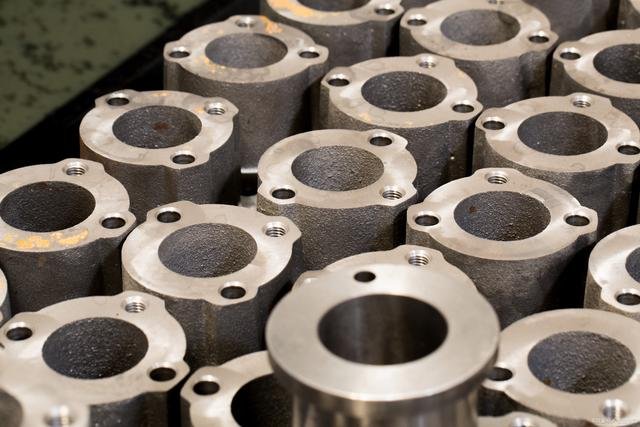
- Automotive: Production of automotive engine parts, including cylinder heads, crankshaft housing. Manufacture of complex components for automotive drivetrains.
- Medical devices: Manufacture components for medical devices and equipment such as artificial joints, dental instruments, and other medical devices that require a high degree of precision and biocompatibility.
- Energy: Fabrication of high-temperature, high-pressure equipment for the power industry, such as gas turbine components.
- Marine: Production of ship engines and ship structural parts, such as rudders, hulls, and more.
- Oil & Gas: High temperature and high pressure equipment for oil wells and natural gas extraction, such as valves, pipeline connectors, etc.
- Prototyping: Complex metal prototypes can be rapidly manufactured through investment casting for design verification.
Summary
With its efficiency, flexibility and high degree of control, investment casting is particularly popular in industries that require the manufacture of high-performance components. While there are some limitations to investment casting, its long-term economic benefits and advantages in product performance make it an important choice for many industries.
As a provider that specializes in precision casting services, CYCO has state-of-the-art production equipment, professional technicians and a wealth of practical experience. We are committed to providing our customers with high-quality, high-precision investment casting services and ensuring that every step of the process meets strict quality standards.
CYCO’s Capabilities of Investment Casting:
Professional technology: We have a team of experienced engineers and technicians who are familiar with all aspects of investment casting and can provide you with professional technical support and services.
High quality materials: We only use high quality metal raw materials and mold materials to ensure that the castings we produce have excellent performance and durability.
Strict quality control: We adopt a strict quality management system, from raw material inspection to finished product inspection, each link is strictly controlled to ensure the high quality of products.
Customized service: We can provide personalized investment casting solutions to meet your special needs, regardless of the size of your project.
Timely delivery: We emphasize on delivery time and complete orders according to the agreed schedule to ensure that your project advances on time.