Cast iron is a common casting material. Depending on its composition and properties, there are several types of cast iron such as gray cast iron, nodular cast iron and white cast iron.
What is Cast Iron
An iron-carbon alloy with a high carbon content, usually with a carbon content of 2.11% or more (usually 2.5% to 4.0%). The higher carbon content is the main difference between it and other iron-based alloys such as steel. At the same time, it contains internal elements such as silicon, manganese, sulfur and phosphorus. During the casting process, carbon in cast iron exists mainly in the form of graphite. Depending on the graphite form, it can be classified into various types such as gray cast iron and nodular cast iron.
The microstructure of cast iron contains iron and graphite. The shape and distribution of graphite have an important influence on the properties. Graphite is flaky in gray cast iron, spherical in nodular cast iron, while the microstructure in white cast iron consists mainly of iron carbides.
Cast iron is widely used in industry due to its advantages such as lower cost, good casting performance, and the ability to manufacture complex shaped parts. For different applications, it is possible to choose different types of cast iron suitable for specific needs.
Continue reading to explore more about cast iron with us!
Gray cast iron
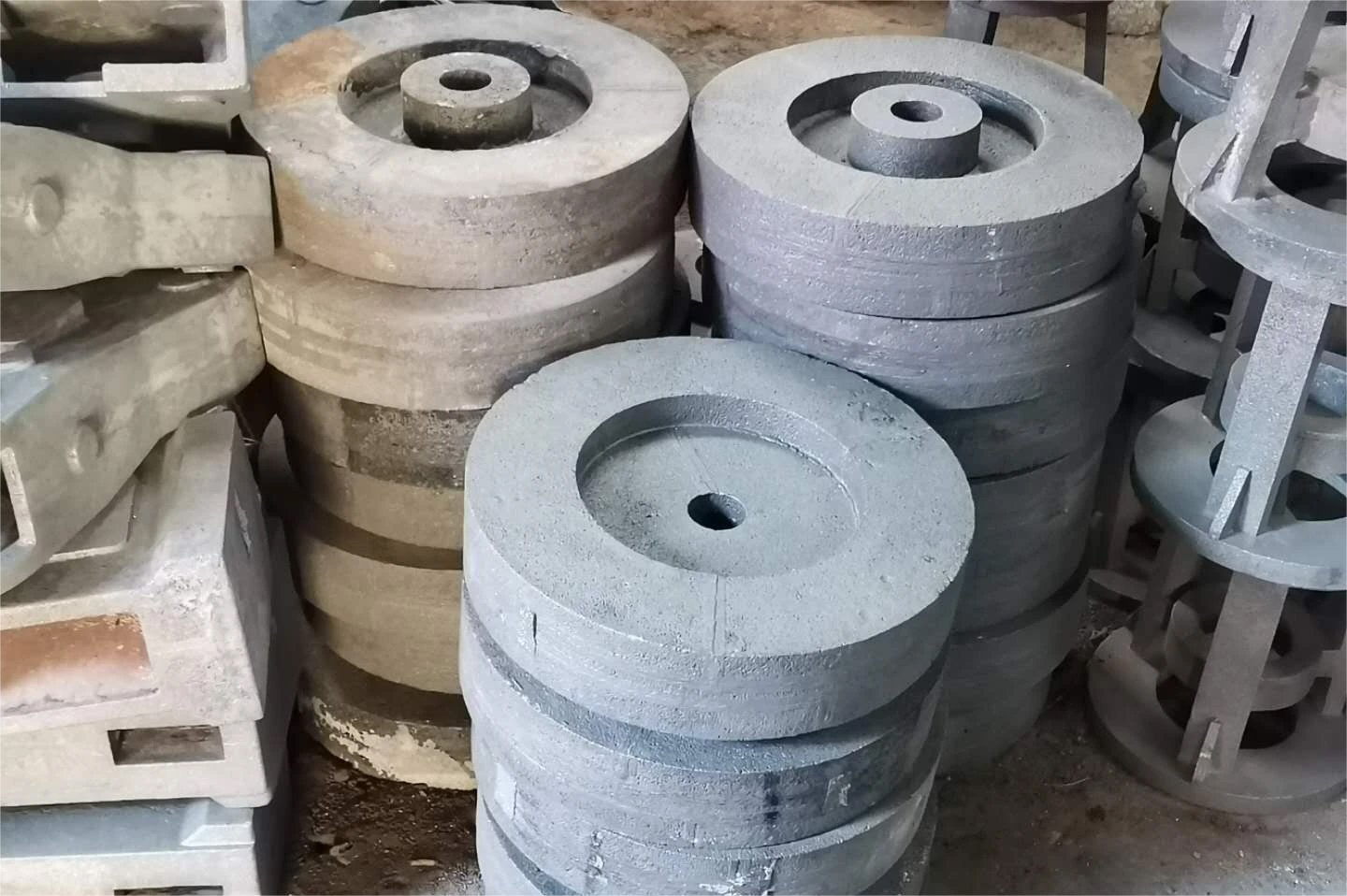
Named for its gray fracture. The main components include iron, carbon, silicon and other alloying elements. The carbon content is usually between 2% and 4%, mainly in the form of flake graphite. The silicon content has an effect on the fluidity and solidification properties of cast iron. Excessive silicon content may lead to increased mold sticking.
Gray cast iron has good casting properties, wear resistance and vibration damping. It has high compressive strength but low tensile strength and plasticity. It is suitable for the manufacture of parts that carry static loads, require good vibration damping or are cost effective.
Features
Due to the mixture of iron and graphite, gray cast iron has a gray fracture pattern.
Higher wear resistance.
Lower melting point.
Higher brittleness.
During cooling, the mixture of iron and graphite gives it a better ability to absorb vibrations.
Advantages
- Low cost, which makes it a practical choice for many engineering applications.
- High wear resistance, suitable for parts that are subjected to abrasion and friction.
- Better fluidity and solidification properties, allowing it easier to cast into complex shapes.
- Relatively soft, easy to machine.
- The presence of flake graphite can play a good role in lubrication and can effectively absorb mechanical vibration energy.
Disadvantages
- Relatively high brittleness means it is easily fractured when subject to impact or heavy loads.
- Gray cast iron has relatively low strength and toughness compared to some other materials.
- High coefficient of thermal expansion, which can cause problems in high-temperature applications.
- Graphite may suffer from decarburization and oxidation at high temperatures.
Applications
Because of its high hardness and good wear resistance, gray cast iron widely used in the manufacture of:
Engine parts: cylinder block, cylinder head, piston ring seat.
Mechanical parts: gears, reducers, machine tool beds.
Drainage system: pipe, flange, pipe elbow.
Automotive parts: brake drums, brake discs, parts of the suspension system.
Agricultural machinery: tractor parts, plow.
Nodular cast iron
Usually need to add ferrosilicon inoculant or magnesium alloy inoculant. Before or during the pouring process, the iron is given an inoculation treatment, which promotes the precipitation of carbon in the form of spherical graphite. The spherical graphite significantly improves the toughness and ductility of the cast iron.
Ductile iron has good impact toughness while maintaining high strength. This characteristic makes nodular cast iron can replace steel in many occasions, suitable for making parts with high requirements for mechanical properties.
Features
The most notable feature is that the graphite has a spherical structure. Compared with flake graphite, spheroidal graphite provides better toughness and ductility.
Better toughness and strength.
Superior machinability.
Higher melting point.
Excellent corrosion resistance.
Advantages
- Higher toughness and strength for better performance under shock and vibration loads.
- The spherical graphite structure contributes to the ductility and creep resistance of the material, making it more stable in high-stress environments.
- Good machinability, including ease of milling, drilling and cutting, makes it suitable for various manufacturing processes.
- Better corrosion resistance, making it suitable for some special environments and conditions with chemical media.
- Superior weldability, which allows for welding and repairing, improving the serviceability of parts.
- Compared with some high-strength alloy materials, the production cost of nodular cast iron is relatively low.
- Good casting performance, can produce castings of complex shapes.
Disadvantages
- The density of ductile iron is high compared to some lightweight alloys.
- Nodular cast iron may exhibit low temperature embrittlement at low temperatures, resulting in a reduction in the toughness of the material.
- At very high temperatures, it may not perform as well as some high-temperature alloys.
- Due to the hard surface of nodular cast iron, some friction surfaces may require higher lubricity to prevent wear.
- The production of nodular cast iron requires spheroidizing, which is a relatively complex process that may increase the cost and time of production.
Applications
Because of its strength and toughness, nodular cast iron is widely used in the manufacture of:
Pipe fittings: water pipes, valves and pipe connectors.
Automotive parts: brake drums, steering gears, suspension parts.
Construction: building structural parts, bridge supports and other components that need to withstand heavy loads.
Mechanical parts: reducers, gears, shafts.
Electricity: motor housings and other equipment parts.
White cast iron
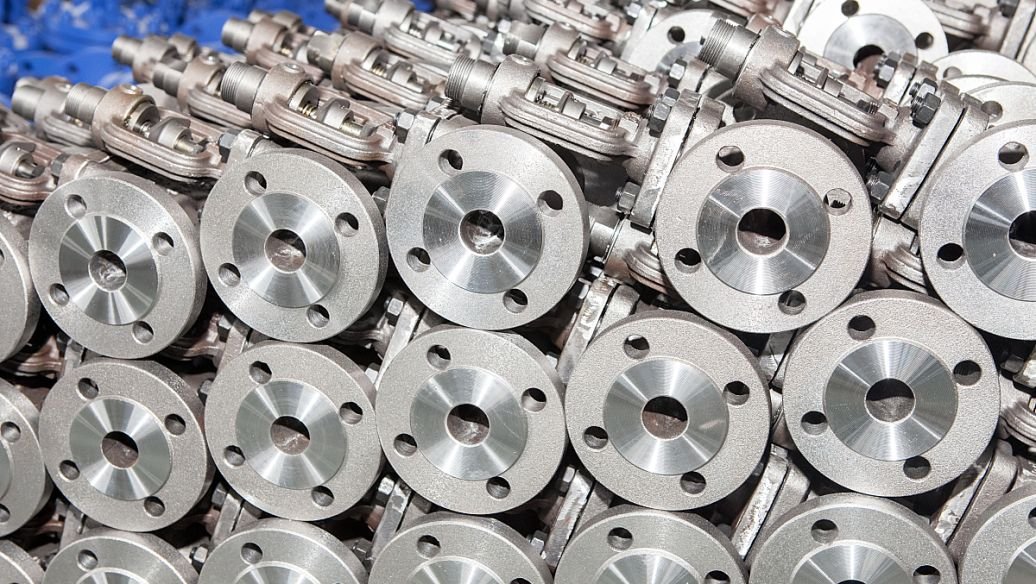
A very hard cast iron with a silvery-white sheen at the fracture. Usually contains a high proportion of alloying elements such as chromium, molybdenum and nickel. Carbon is present mainly in the form of carbides (carburites). It has excellent wear and corrosion resistance.
White cast iron usually is used in the manufacture of components where very high wear resistance is required but good toughness is not necessary. Examples include wear parts for mining equipment, cutters and wear plates for ore crushers, rolls, and molds. White cast iron can be transformed into malleable cast iron or pearlitic gray cast iron by specific heat treatment. This further improves its mechanical properties and expands its application in engineering.
Features
Relatively hard.
Usually more brittle and less resistant to shock and vibration.
High wear resistance.
Due to its hardness and brittleness, white cast iron is difficult to machine.
Low impact toughness.
Advantages
- Higher hardness compared to other cast irons.
- Greater hardness allows it to perform well in applications where high wear resistance is required.
- Relatively stable performance in some high temperature environments.
- The relatively low coefficient of thermal expansion gives white cast iron an advantage in applications where dimensional stability is important.
- Compared with other cast irons, white cast iron is more resistant to compression and can withstand larger static loads.
Disadvantages
- The presence of carburization and little or no graphite content results in very low toughness of white cast iron. It tends to fracture brittlely under stress and is not resistant to shock and vibration.
- Very high hardness results in poor machinability. Cutting operations result in high tool wear.
- Due to its brittleness, it fractures easily during casting and its toughness cannot be improved by heat treatment.
- It is not suitable for working conditions that require a certain degree of plasticity and ductility.
Applications
With high hardness, good wear resistance but poor toughness, it is mainly used in:
Wear-resistant parts: wear sleeve, grinding disk, grinding stone.
Machine tool parts: guide rails, pendulums.
Abrasive tools: grinding wheel, sandpaper.
Striking tools: hammers, chisels and other tools with striking effect.
Malleable cast iron
Modified white cast iron through a special heat treatment process. Through the annealing or normalizing process, make the internal carbide decomposition and transform into temper carbon. With a certain degree of plasticity and toughness, it has better machinability than gray cast iron. Its properties are between gray cast iron and nodular cast iron.
Compared with other cast iron, the microstructure of malleable cast iron is more uniform. The treatment agent added in the casting process makes it have better malleability. It is suitable for the manufacture of parts that have complex forces and need good plasticity, such as pipe fittings, joints, agricultural machinery parts.
Features
The distinctive feature is its higher malleability.
Microstructure is more uniform.
Mechanical properties are relatively good.
Relatively soft and easy to machine.
Certain corrosion resistance.
Advantages
- Higher ductility and toughness, which allows a certain degree of forging and machining.
- The temper carbon structure absorbs more energy when subjected to impact loads, reducing the risk of brittle fracture.
- Moderate strength and balanced comprehensive mechanical properties. It can meet certain load bearing requirements and has good toughness.
- Although it needs to be heat-treated to achieve the desired mechanical properties, it still has good fluidity at the casting stage. Suitable for the production of complex shapes with certain requirements for toughness and plasticity.
Disadvantages
- Need extra heat treatment steps, so the production cost is higher.
- The use temperature should not be too high, or it may affect its mechanical properties.
- Preparation of malleable cast iron requires some treating agents and complex production processes.
Applications
Widely used in the manufacture of various mechanical equipment in the complex force, the need for good toughness of the parts.
Automobile: crankshaft, shock absorber bracket.
Mechanical parts: bearing seats, brackets, connectors.
Industrial valves and pipe fittings: industrial valves, flanges, pipe elbows.
Transportation equipment: parts of railroad vehicles, wheels, axles.

Vermicular cast iron
The graphite morphology is between flake and spherical, showing worm-like or granular. Vermicular cast iron combines the advantages of gray cast iron and ductile iron, with high strength, good toughness and excellent fatigue strength.
The production of vermicular cast iron is relatively complex, requiring precise control of the chemical composition and the use of specific treatment processes. It is mainly used in key components such as cylinder blocks and cylinder heads of high-performance diesel engines.
Features
Internal carbon exists in the form of worm-like or granular graphite.
Tensile strength and yield strength are higher than gray cast iron, but lower than ductile iron. Fatigue strength and thermal fatigue properties are better than gray cast iron and some types of nodular cast iron.
Good mechanical properties can still maintain at high temperatures.
Section sensitivity is small, and the mechanical properties in different wall thickness sections do not differ much.
Advantages
- No need for nodularizing treatment, simplifying the manufacturing process and reducing manufacturing costs.
- Good mechanical properties, including a certain degree of strength and toughness. This makes it excellent in some applications requiring high mechanical properties.
- Better castability, which facilitates the manufacture of castings of various complex shapes.
- Strength, hardness and toughness are between gray cast iron and nodular cast iron, with good general mechanical properties. It shows better fatigue resistance and thermal fatigue resistance under thermal cycling conditions.
- It maintains good mechanical properties at high temperatures and can effectively resist high thermal loads and stress changes. When the temperature exceeds 500℃, it can maintain stable mechanical properties more than nodular cast iron. It is not easy to cause deformation or performance degradation due to temperature change.
- The section sensitivity is small, and the mechanical properties are more uniform in thick and large sections. It is suitable for making castings with large thickness.
- Good wear resistance and corrosion resistance, suitable for use as parts requiring high strength and long life.
Disadvantages
- Higher requirements for equipment and technology. Because it needs to precisely control the alloy composition and casting process, especially creep treatment technology is more difficult.
- Compared with gray cast iron and nodular cast iron, the production process of vermicular cast iron is more complex, the production cost is relatively high.
Applications
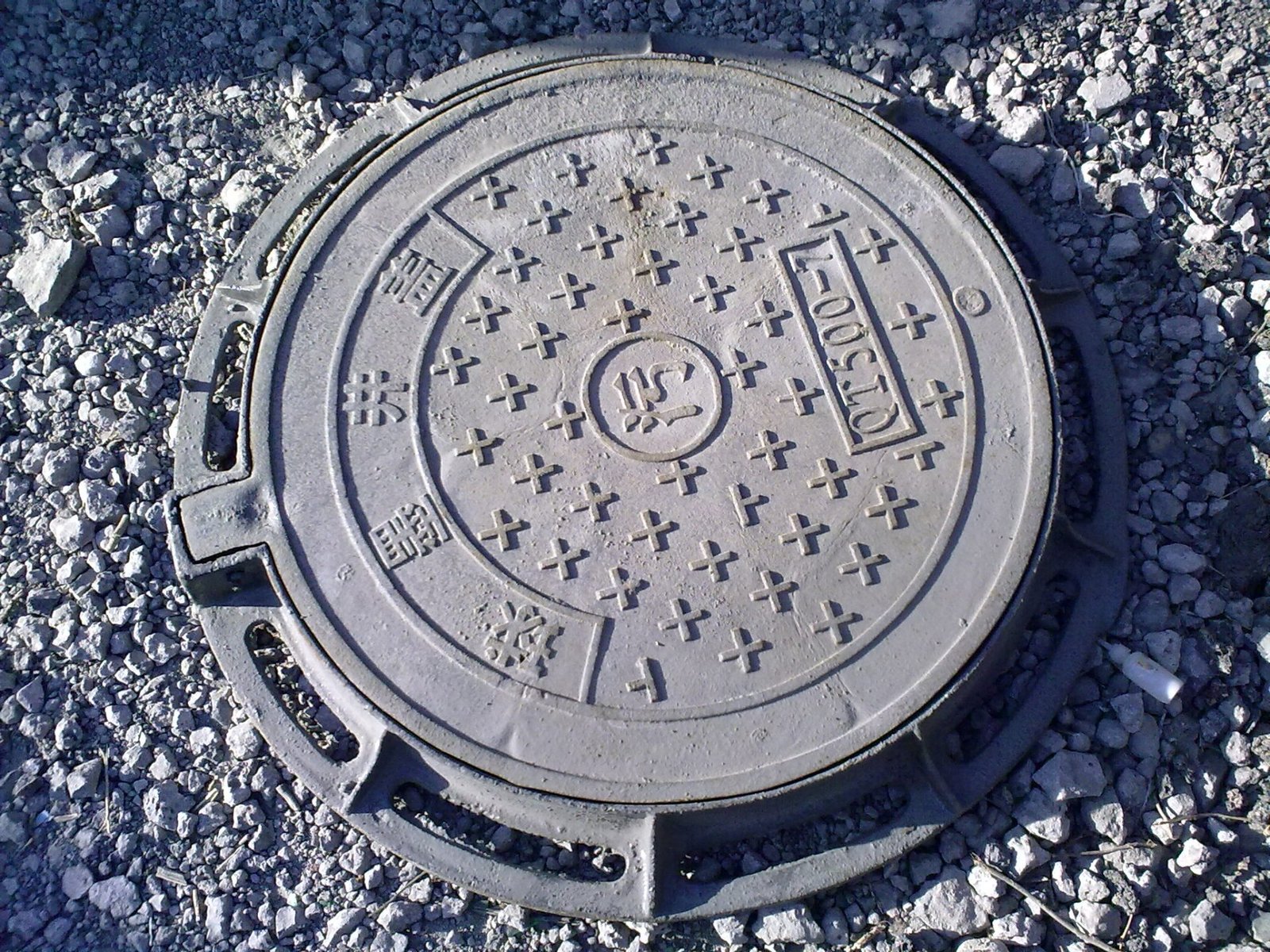
Due to its special microstructure and superior mechanical properties, it is suitable for many fields. Including but not limited to the following applications:
Automobile: crankshafts, shock absorber brackets, brake drums.
Construction machinery: excavator gears, bearing housings, buckets.
Pumps and valves: impellers, valve seats and other parts.
Aerospace: engine parts.
Energy: generator parts, pump housing.
Agricultural machinery: tractor parts, tillage tools, planting machine parts.
Machine parts: bearing housings, gears, drive shafts.
Summary
As a long-established and widely used engineering material, the core characteristic of cast iron is its high internal carbon content and presence in the form of graphite. Depending on the graphite form, cast iron can be categorized into different types, each with its unique performance advantages.
Gray cast iron is known for its good wear resistance, vibration damping and cost effectiveness. The nodular cast iron has a spherical distribution of graphite by inoculation, which significantly improves the toughness and ductility of the cast iron. Vermicular cast iron has higher strength and thermal stability due to its graphite morphology between flake and spherical…
In general, cast iron plays a vital role in many industrial fields due to its diverse categories, superior mechanical properties and cost-effectiveness. Cast iron has unique advantages in various industrial fields and provides a reliable material base for the development of manufacturing industry.
Why CYCO
CYCO, the service provider of precision casting machining, has the international leading precision casting technology and equipment. We ensure consistent quality and high precision of our cast iron products to meet the needs of our customers for complex structural parts. Our team specializes in the development and improvement of cast iron materials. Through continuous optimization, we enhance the wear resistance, tensile strength, toughness and corrosion resistance of cast iron under various working conditions.
Our products have been successfully applied in many industries, and we have accumulated rich experience and good market reputation. If you need casting machining or cast iron materials, please feel free to contact us!