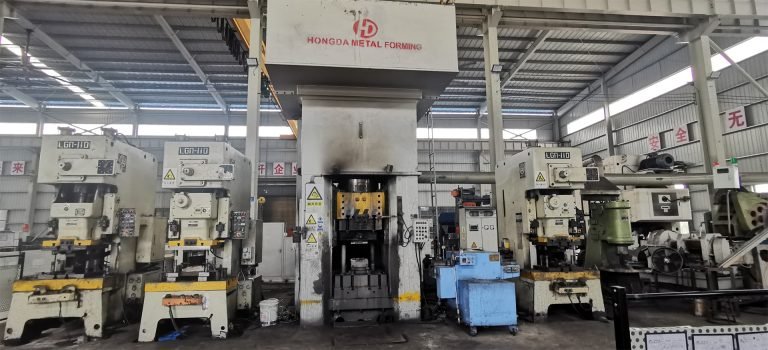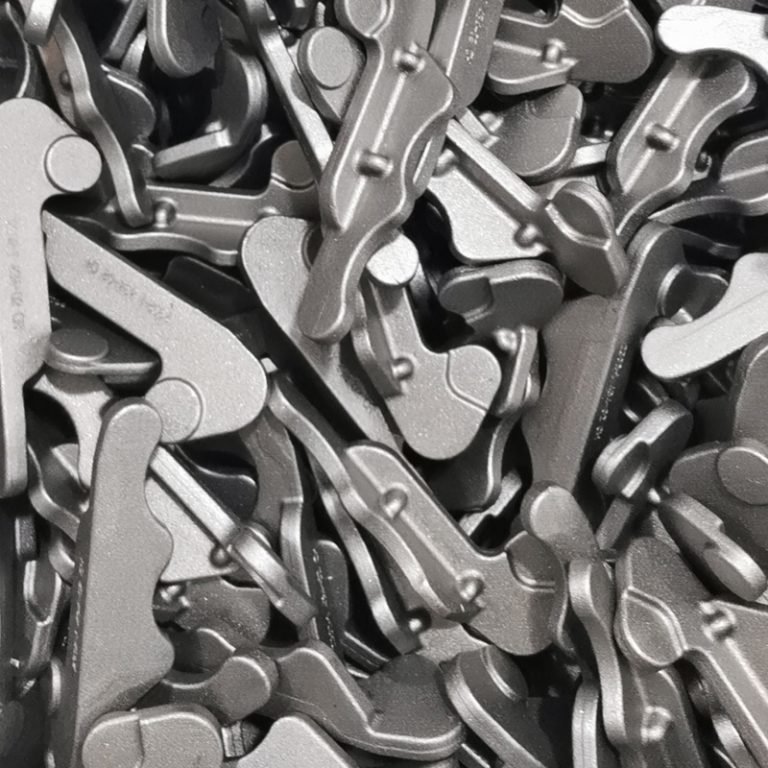
Forging machining plays a crucial role in the manufacturing of automobile components. It offers several advantages over other manufacturing methods, such as casting or machining from solid billets. Forging machining is a versatile manufacturing process that can be used to create a variety of automotive components. The strength, durability, and control provided by forging machining make it an ideal process for creating these critical components.
Here are some key applications of forging machining in automobiles:
1. Engine Components: Many critical engine components are manufactured using forging machining techniques. These include crankshafts, connecting rods, camshafts, and valve components. Forged engine components have superior strength, durability, and resistance to fatigue, which are essential for withstanding the high stresses and loads experienced in internal combustion engines.
2. Transmission Components: Various transmission parts, such as gears, shafts, and clutch components, are often produced through forging machining. Forged transmission parts exhibit excellent strength and wear resistance, enabling them to endure the demanding conditions within automotive transmissions.
3. Suspension and Steering Components: Forged parts are widely used in the suspension and steering systems of automobiles. Components like control arms, steering knuckles, and tie rods are typically forged to provide the necessary strength, stiffness, and impact resistance required to maintain vehicle stability and control.
4. Axles and Shafts: Forged axles and shafts are commonly employed in automotive drivetrains. These components need to withstand significant torque, bending, and torsional loads. Forging machining ensures the production of axles and shafts with high strength, toughness, and dimensional precision.
5. Wheel Hubs and Spindles: Wheel hubs and spindles require robust construction to endure the loads encountered during vehicle operation. Forged wheel hubs and spindles offer exceptional strength, impact resistance, and dimensional accuracy, ensuring safe and reliable wheel rotation.
6. Steering Linkages: Various steering linkages, such as pitman arms and idler arms, are manufactured using forging machining methods. These parts must be sturdy enough to provide reliable steering control and resist wear over extended periods of use.
7. Chassis and Structural Components: Certain chassis and structural components, like control arms, suspension links, and frame members, benefit from the strength and integrity offered by forging machining. Forged parts in these applications contribute to improved vehicle safety, stability, and overall structural performance.
Forging machining provides automotive manufacturers with the ability to produce high-strength components with excellent mechanical properties. By utilizing forged parts in automobiles, manufacturers can enhance performance, durability, and safety while minimizing weight and material waste.