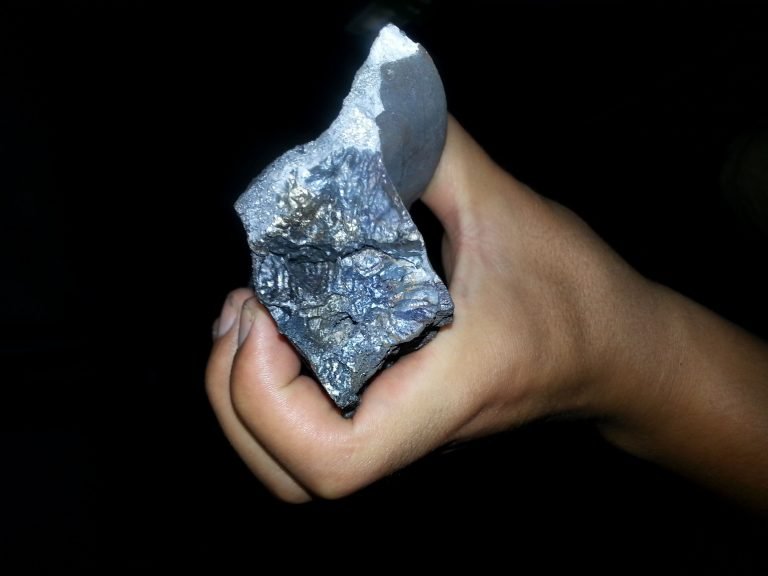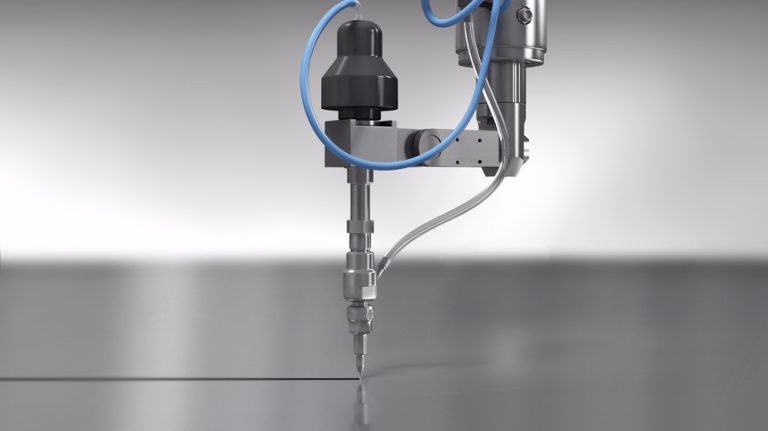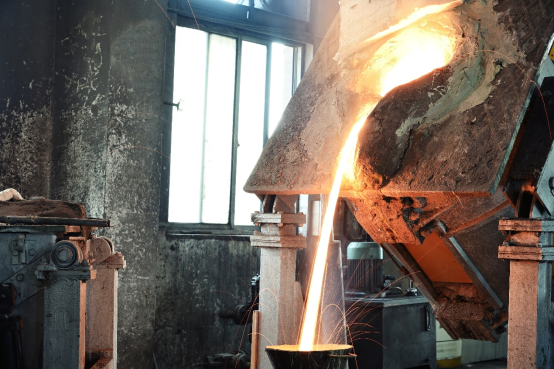
Casting coating is usually applied to the surface of mold or core sand. It aims to isolate the liquid metal from the casting mold, prolong the life of the mold, improve the surface quality of the casting and prevent thermal defects.
Introduction of Casting Coating
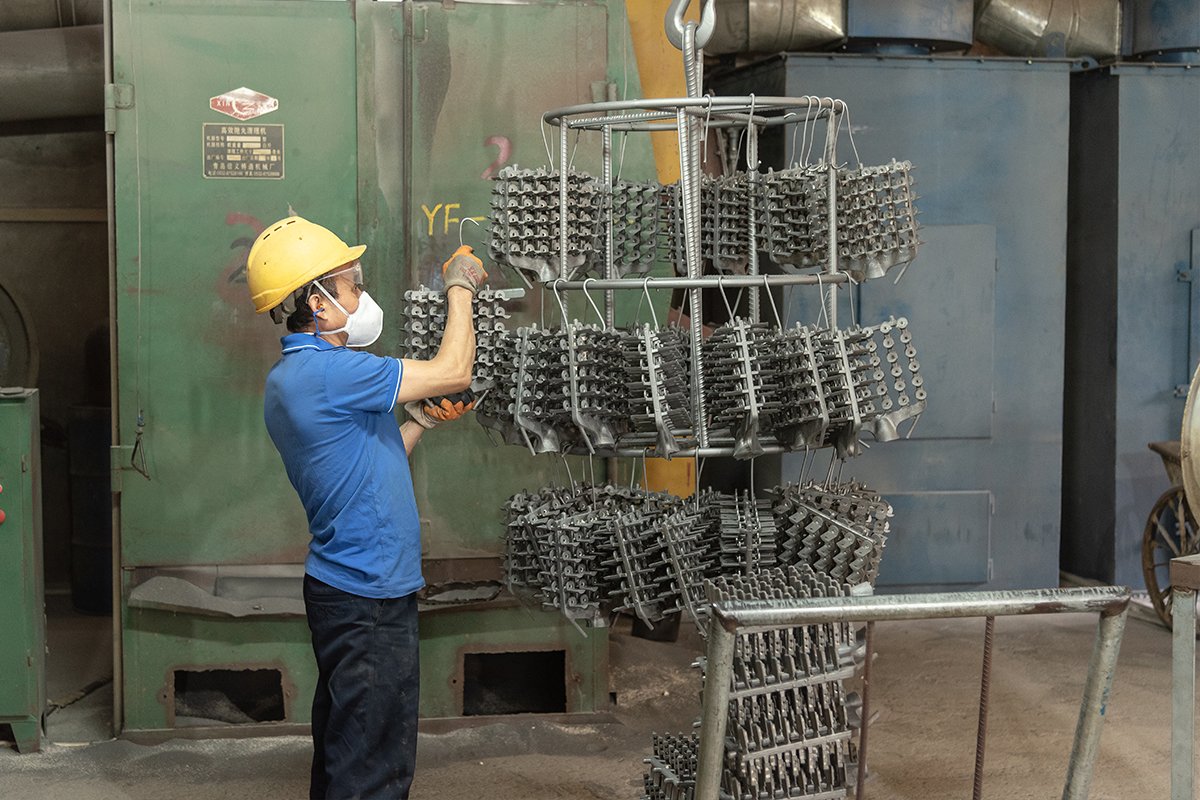
Casting coating is a functional material applied in casting process. Its main function is to form a layer of fire-resistant isolation layer on the surface of casting mold (including sand and core sand). It prevents sand adhering, improves casting surface quality and reduces thermal defects when high temperature metal liquid is contacting with the casting. Casting coatings are usually made of refractory aggregates, binding agents, suspending agents and other special additives. Uniformly covering can form a certain strength, refractory and permeability protective layer after baking. This protective layer can be adapted to the various needs of castings of different materials, shapes and sizes. What’s more, it can also improve the overall quality and productivity of the castings.
Main Properties
- Usually consists of base material, fillers, diluents and additives. The proportion and properties can be adjusted according to the application requirements.
- Good adhesion, it ensures that the coating can uniformly adhere to the mold surface and is not easy to peel off.
- Due to working under high temperature, it needs high temperature resistance to maintain the stability and performance of the coating.
- Abrasion resistance to cope with friction and pressure during the flow and curing of the liquid metal.
- Good thermal conductivity to ensure uniform cooling of the metal in the mold and prevent stress concentration.
Classification of Casting Coating
Main Ingredients
- Refractory aggregate: including bauxite, zirconium powder, corundum powder, graphite powder and more. Provide resistance to molten metal erosion at high temperatures.
- Suspending agent: such as lithium-based concave clay, organic soil, and so on. Used to stabilize solid particles in coatings, prevent precipitation, and improve the fluidity and coating performance of coatings.
- Binding agent: various resins, cellulose derivatives. Enable the coating to form a continuous and firm coating on the cast surface.
- Auxiliaries: including defoamer, anti-settling agent, leveling agent, curing agent. Used to improve the construction performance of the coating and the final effect of the coating.
Types
| Coating Types | Ingredient(s) | Purposes |
| Paraffin-based | Paraffin, pigments and fillers | Improved surface finish, reduced porosity and defects. |
| Graphite-based | Graphite | Better metal flow, reduced eddy current effects and improved surface quality. |
| Waterglass-based | Sodium silicate and granular fillers | Used for surface coating and sand core coating to improve the surface quality of castings. |
| Silicon rubber based | Silicone rubber substrate | For coating of mold surfaces to improve high temperature resistance. |
| Ceramic-based | Ceramic particles | Enhanced surface hardness and abrasion resistance. |
Role of Casting Coating
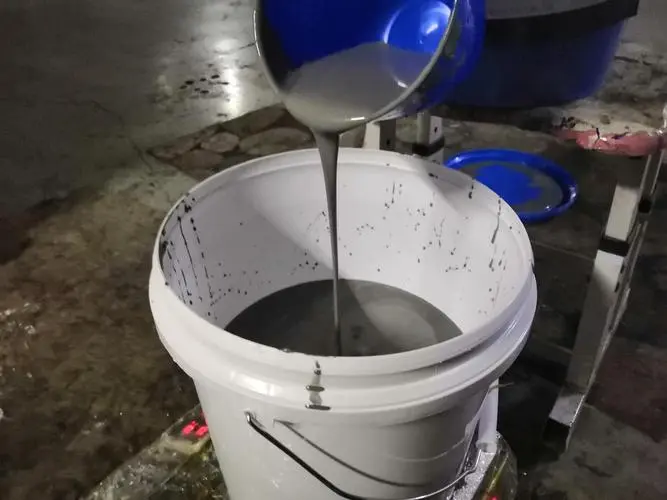
Casting coating plays a key role in the metal casting process. Its main purpose is to improve the surface quality of castings and extend mold life. At the same time, it has a positive impact on the entire casting production process.
- Prevent sand adhering: Effectively isolate the direct contact between molten metal and casting mold, which avoids the wetting and penetration of metal liquid to sand grains under high temperature.
- Temperature regulation: Different thicknesses and thermal conductivity of the coating can adjust the temperature distribution of the casting during cooling. This reduces cracks, cold segregation, shrinkage holes and other defects caused by excessive localized cooling.
- Improved casting surface quality: The coating provides a smooth interface and helps to form a uniform and smooth casting surface.
- Heat insulation and protection: Excellent heat insulation performance can reduce heat loss and ensure full solidification of castings. At the same time, it can protect the casting from high temperature erosion and prolong the service life of the casting.
- Better internal quality of castings: Some coatings, such as graphite, can release gas during the pouring process. This will promote the formation of gas film, play a metallurgical effect, improve the casting microstructure and mechanical properties.
- Lubrication and demolding: Lubricant facilitates smooth demolding of castings from the mold. It can reduce the friction between the casting and the mold, preventing the casting from deformation or strain.
- Adsorption and elimination of gases: A certain degree of permeability helps to expel gases from the mold cavity and reduce porosity.
- Extend the life of the mold: The protective film formed by the coating can reduce the friction between metal and mold surface, reduce mold wear and prolong mold life.
- Enhance the sand core quality: Improve the sand core surface quality, increase the crack resistance and compression resistance of the sand core.
- Prevent reaction between metal and mold: The special coating composition can prevent adverse reaction between metal and mold surface, reduce chemical erosion of metal in casting process.
Possible Problems
| Problems | Reasons | Solutions |
| Insufficient adhesion | 1. Uncleaned mold surface.
2. Improper selection of coating. 3. Inappropriate coating process. |
1. Make sure the mold surface is clean before coating.
2. Select the correct coating. 3. Adjust the coating process, including coating temperature and speed. |
| Coating cracking or peeling | 1. Too fast drying leads to excessive internal stress.
2. Poor crack resistance due to irrational design of coating formula. 3. Excessive baking temperature or insufficient baking time. |
1. Control the appropriate heating speed and constant temperature time.
2. Optimize the coating formula to enhance the toughness and thermal stability of the coating. 3. Reduce the baking temperature appropriately. |
| Poor air permeability | 1. Too fine aggregate powder in the coating leads to the reduction of air permeable pores.
2. Improper selection of additives, affecting the bubble escape channel. 3. Excessive coating thickness. |
1. Select aggregate with appropriate particle size distribution to improve air permeability.
2. Add appropriate amount of special air permeability additives. 3. Ensure uniform and moderate coating thickness. |
| High viscosity and difficult to flow coating | 1. High baume degree of coating and excessive viscosity.
2. High sand temperature leads to rapid drying of paint. 3. Low flow rate of flow coating equipment. |
1. Adjust the baume degree of the paint to reduce the viscosity.
2. Cool the high-temperature sand mold before coating. 3. Increase the flow coating flow, and reasonably design the flow coating pressure and speed. |
| Lack of strength | 1. Insufficient resin content or incorrect ratio of hardener in the coating.
2. High shrinkage of the coating after drying. |
1. Check and adjust the ratio of resin and hardener.
2. Control the drying process to avoid rapid and strong shrinkage. |
| Casting surface defects
(e.g. sand inclusion, sand adhering) |
1. Poor isolation of the coating from the molten metal.
2. The sintered layer fails to effectively prevent the erosion of the sands by the liquid metal. |
1. Select coating components with high refractoriness and good chemical stability.
2. Improve the adhesion between the coating and the sand mold. |
How to Choose and Use Casting Coating Correctly
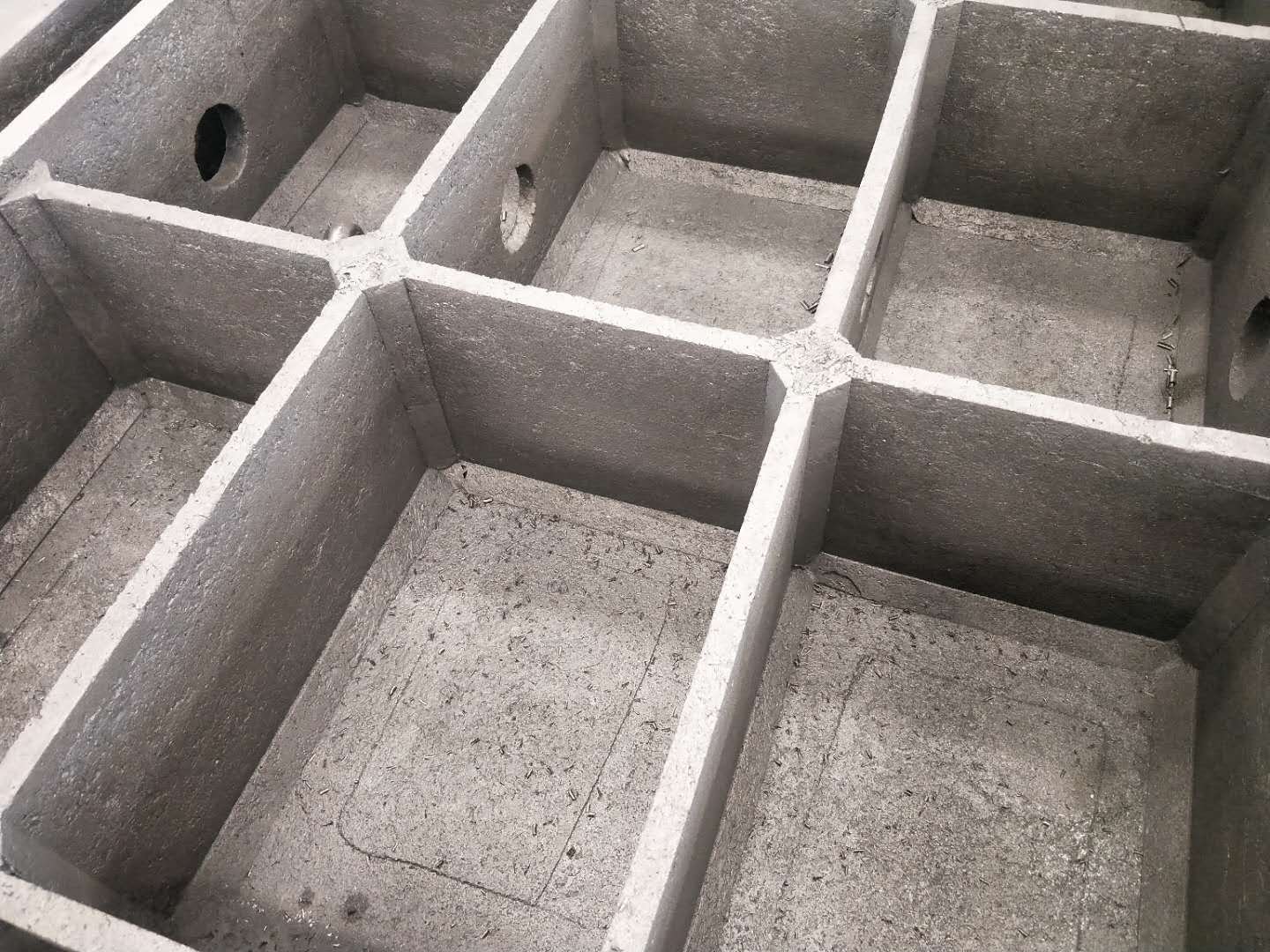
- Understand the type of casting used, such as sand or metal. Different casting materials have different requirements for the refractoriness and adhesion of coatings.
- Select the appropriate coating according to the production process and quality requirements of the casting. For some special castings, the coating also needs to have lubrication, cooling adjustment and other functions.
- Choose the appropriate coating method based on the casting structure and batch volume. Adjust the viscosity of the coating to a suitable range for uniform coating.
- Set reasonable drying time and temperature. Avoid cracking caused by too fast drying or inadequate baking to affect the performance of the coating.
- Regularly test and monitor the quality of coatings to ensure their stability and suitability.
- Pay attention to the safety measures during storage, blending and use of coatings. Avoid fire, explosion and other safety accidents.
- Provide detailed operating instructions and training to minimize problems caused by human errors.
Summary
In conclusion, the proper selection and use of casting coating is a multifaceted job. You need to start with an understanding of the process and materials used in casting and a clear definition of the main purpose of the coating. It is also necessary to consider the compatibility of the metal liquid with the coating. This can be a difficult decision, you can seek help from a precision casting machining service provider like CYCO.
Along with our more than two decades of experience in precision machining and manufacturing, you can trust us completely. We are well versed in different casting processes, including the selection of materials and coatings. We can ensure that the castings we produce meet, or even exceed your expectations. We provide perfect pre- and after-sales service with technical support, aiming to help solve all kinds of problems during use.