Free forging is a creative process. It gives the craftsman freedom in the forging process to create unique, individualized metalwork.
What is Free Forging?
A metal fabrication process with creativity and freedom.
Basic Concepts
Free Forging involves plastic deformation of a metal billet by human or mechanical force. Without the constraints of a fixed mold, the metal material is freely formed to produce forgings with specific shapes, sizes and excellent mechanical properties. Craftsmen have a high degree of design and operational freedom in the entire fabrication process. This includes creative decision-making at the design stage, freedom of material selection, as well as the use of innovative processes and techniques during the process.
This approach encourages craftsmen to use their individuality and creativity to create unique, artistic and functional metalwork. Free Forging is more than a technique, it is a form of artistic expression. It reflects the craftsman’s deep understanding and insight into metal materials.
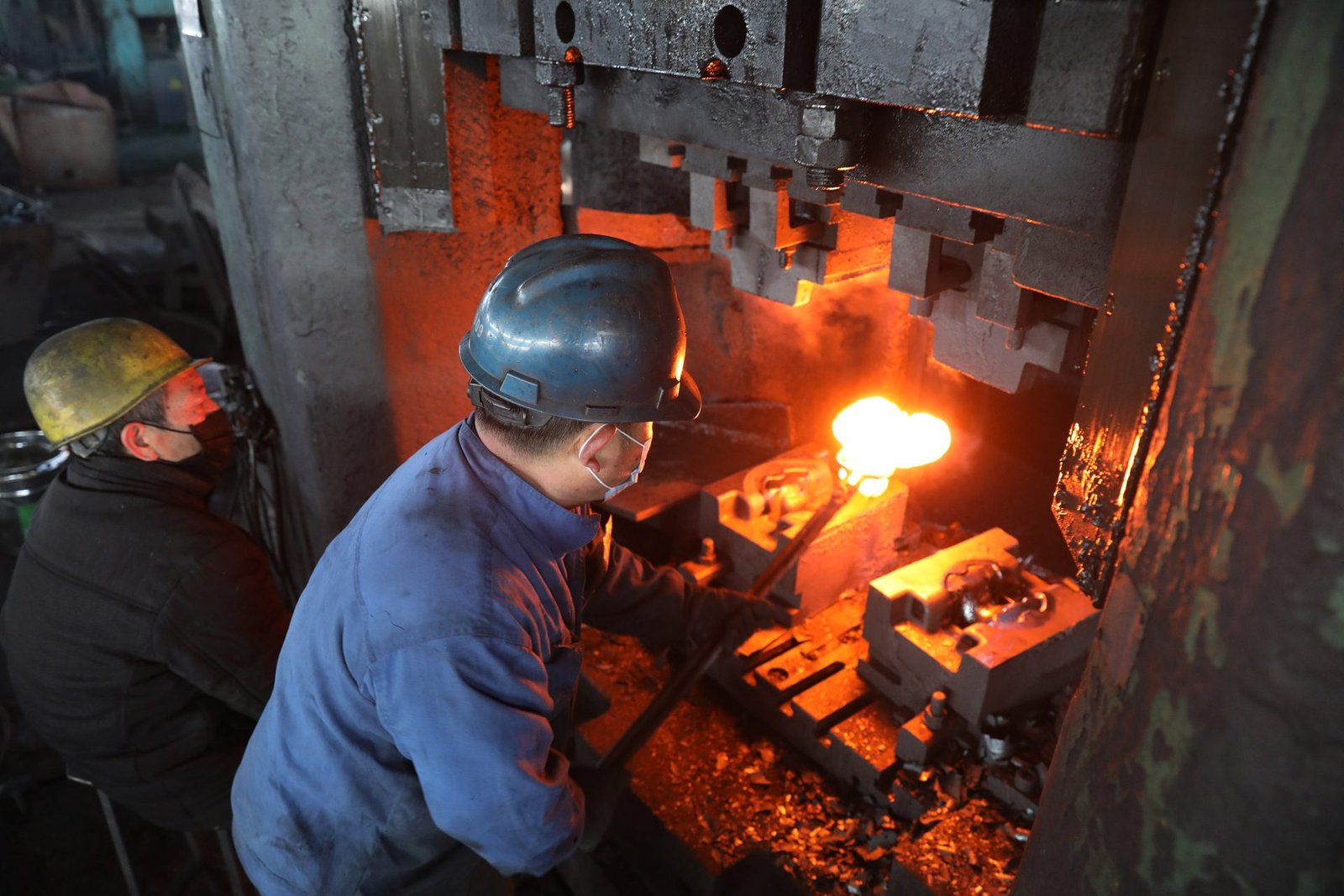
Uniqueness
- Freedom of creative design: Craftsmen are able to create unique shapes, structures and styles of metal products, highlighting individuality and creativity.
- Freedom of material selection: Different metal materials are selected according to specific needs and creativity to realize the special performance and appearance of the designed products.
- Innovation in craftsmanship: Encourage craftsmen to experiment with new crafts and techniques to continuously improve the technical level of forging.
- Expression of individuality: Emphasize the individual expression of the craftsmen in their forging works, so that each metal product has a unique artistic style and personality of the craftsmen.
- Integration of art and function: Make the metal products not only practical, but also have unique aesthetic value, which can resonate with the viewers.
How Free Forging Works
Process and Steps
The following are the basic processes and steps involved in free forging:
- Design: Ideas and designs are used to determine the shape, structure and details of the metal product to be made. This stage focuses on the personality and creative expression of the craftsman.
- Material selection: Choose the appropriate metal material according to the requirements and creativity of the design. Different metal materials have different physical and chemical properties. Determine the chemical composition and mechanical properties of the material according to the performance requirements and working conditions of the workpiece.
- Material preparation: Cut the raw material into appropriate size and shape as forging blanks.
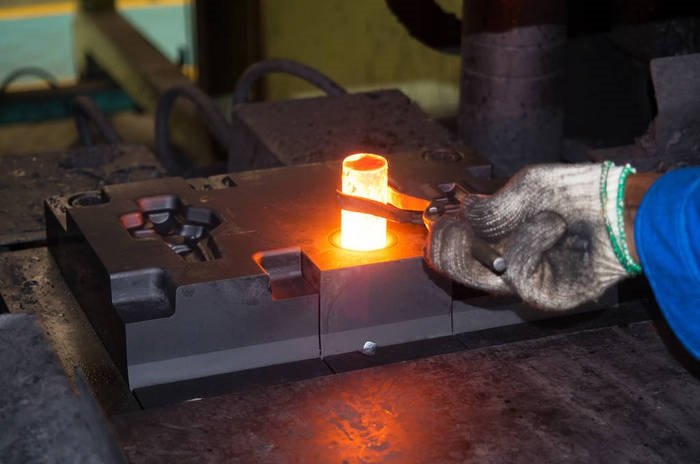
- Heating: Heat the selected metal material to the appropriate temperature range. This is usually below its melting point but above its recrystallization temperature. This step aims to make the metal soft and easy to deform plastically. The heating time and temperature are controlled to avoid degradation or distortion of the material due to overheating or uneven heating.
- Hammering: After heating, the craftsman uses a hammer, forging machine, or other tool to hammer the metal. In this step, the metal is gradually hammered and shaped to achieve the designed shape and structure. The hammering process allows the craftsman to adjust the shape, edges, and surface texture to ensure that the product conforms to the design.
- Finishing: Through further hammering and shaping, as well as finishing operations such as cutting, welding, and grinding, the billet is gradually formed into the desired final shape and size requirements.
- Cooling: After forming is complete, the metal product requires gradual cooling. During the cooling process, the metal solidifies and retains its final shape.
- Post-treatment: After cooling, the craftsman may perform polishing, painting, or other decorative steps to enhance the surface luster and appearance of the product. Sometimes, processes such as heat treatment may also be performed to adjust the mechanical properties of the product.
Basic Processes of Forming
- Upsetting: Apply pressure at the end of the billet, so that its cross-sectional area increases while the length decreases. Commonly used in the production of shafts, disks and other forgings.
- Drawing: Tension or pressure is applied along the length of the billet to increase its length and decrease its cross-sectional area. Commonly used to make bars, tubes and other forgings.
- Punching: The punch punches a hole of the required shape and size in the billet. Commonly used for making bushings, bearings and other forgings.
- Twisting: Apply torque in the opposite direction at both ends of the billet to make it spiral or ring-shaped deformation. Commonly used in the manufacture of bolts, nuts and other forgings.
- Bending: Lateral force is applied to the billet to make it deformed by bending. Commonly used to produce hooks, elbows and other forgings.
- Cutting: The billet will be divided into the required shape and size of the part. Commonly used for the production of plate, strip and other forgings.
Tools and Equipment
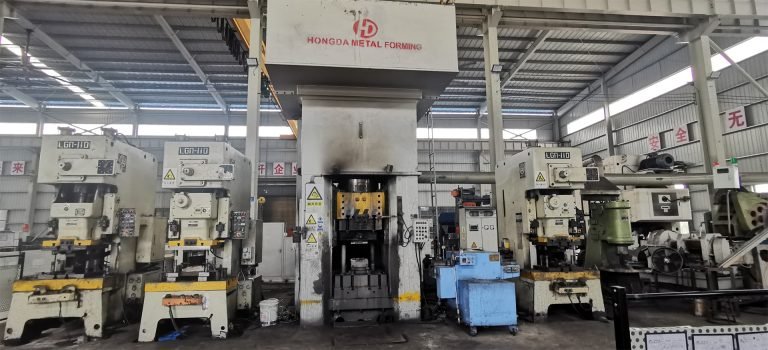
- Forging hammer: The impact force generated by the up and down movement of the hammer head causes plastic deformation of the metal billet. According to the different power sources, forging hammer can be divided into air hammer, steam hammer, hydraulic hammer.
- Hydraulic press: Through the hydraulic system to the metal billet to apply uniform pressure, making it plastic deformation. Hydraulic presses are suitable for the production of large and complex shaped forgings.
- Anvil: A hard flat surface used to support and forge metal workpieces. The anvil helps to absorb and distribute the force of the hammer blow and provides a stable work surface.
- Burins and punches: Tools used for fine machining and shaping on metal billets. A burin is a flat or pointed tool used for cutting, engraving and finishing metal surfaces. A punch is a cylindrical or tapered tool used to punch holes or grooves in metal billets.
- Cutting tools: Used to divide a metal billet into parts of the desired shape and size, including sawing, shearing, planing, and milling tools.
- Forging dies: A tool used to give a specific shape to a metal. Dies can be fixed or interchangeable to create different shapes and textures.
- Fixture: To hold and support the workpiece to ensure proper position and stability during the forging process.
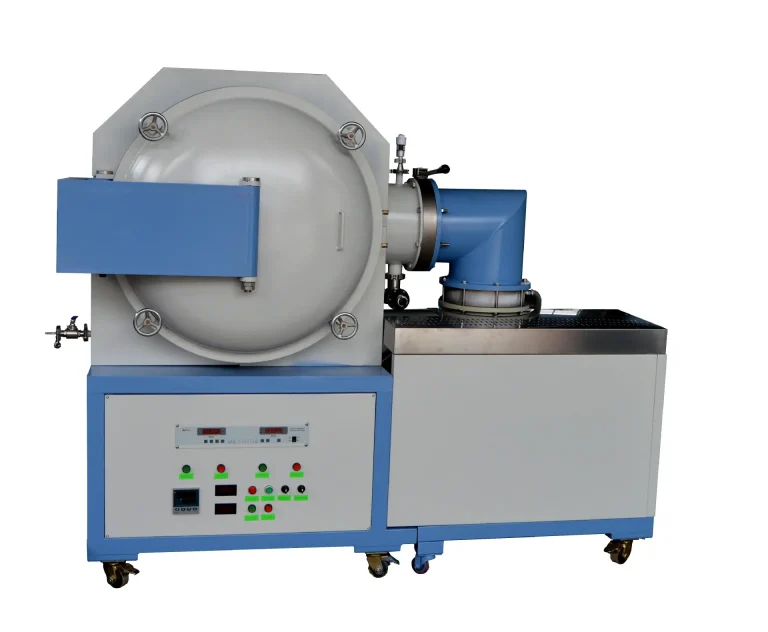
- Heating equipment: Usually a gas or electrically powered furnace used to heat metal materials to a malleable state. This can include gas forging furnaces, resistance furnaces or induction heating equipment.
- Cooling equipment: Used to rapidly cool the metal after forging is complete to solidify the shape. This can be a water bath, cooling oil or other cooling medium.
- Heat treatment equipment: For adjusting the mechanical properties and microstructure of the metal, including annealing furnaces, normalizing furnaces, quenching furnaces, and tempering furnaces.
- Temperature measurement equipment: Used to monitor and control the heating and cooling process of metal billets, including infrared thermometer, thermocouple, thermistor.
- Surface treatment equipment: To improve the surface quality and appearance of forgings, including polishing machines, sandblasting machines, painting equipment.
- Safety equipment: Protect the safety and health of operators, including protective glasses, gloves, masks, earplugs, safety shoes.
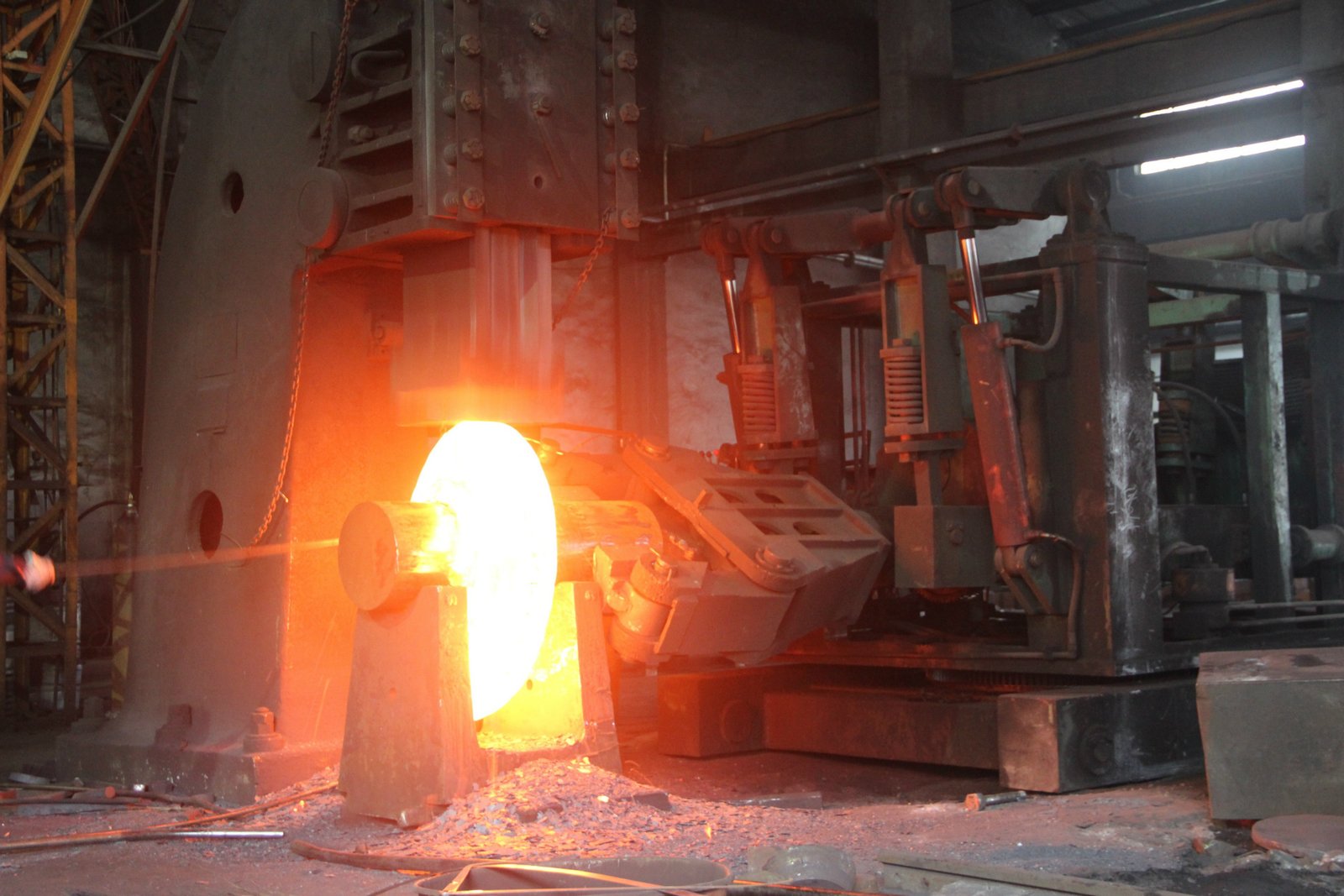
Elements of Free Forging
Freedom of Design
To give the craftsman a greater degree of creativity and autonomy in the forging process.
- Shape and structure: The craftsman determines the shape and structure of the product. This includes the outer contours, curves, and geometry of the object, enabling the creation of a unique appearance that differs from traditional forging.
- Detail and texture: Control over the details of the product. The craftsman can give the product a unique texture and surface texture by carving, scoring and forging details.
- Size and proportion: The craftsman determines the size and proportion of the product. This allows them to create unique sizes and proportions that meet artistic and functional requirements.
- Experimentation and innovation: Provide room for experimentation and innovation. Craftsmen can try out new design concepts, structures and forms that advance the art of forging.
Freedom of Material
- Types: It can be used to machine various metal materials, including carbon steel, alloy steel, stainless steel, and various alloys. These materials have different physical, chemical and mechanical properties, and the suitable material can be selected based on the working environment and performance requirements of the workpiece.
- Shapes and sizes: Metal blanks move and deform freely in 3D space and can handle materials of various shapes and sizes. Whether it is bar, plate or pipe, as long as its size and shape meet the requirements of the equipment, it can be free forged.
- Utilization: Reduce waste and costs by cutting and utilizing materials precisely. Compared to other forging processes, it eliminates the need to make and maintain expensive molds. It has high material utilization in small lot and customized production.
- Modification: Materials properties can be altered by heat treatments and surface finishes. For example, the hardness, strength and toughness of a material can be adjusted through a heat treatment process. Or improve the appearance and corrosion resistance of the material through surface treatment processes.
Process Innovation
- New equipment and technology: With the progress of science and technology, new equipment and technology keep emerging, such as electric servo hammer, laser-assisted forging and so on. These new equipments and technologies can improve efficiency, precision and quality, while reducing energy consumption and environmental pollution.
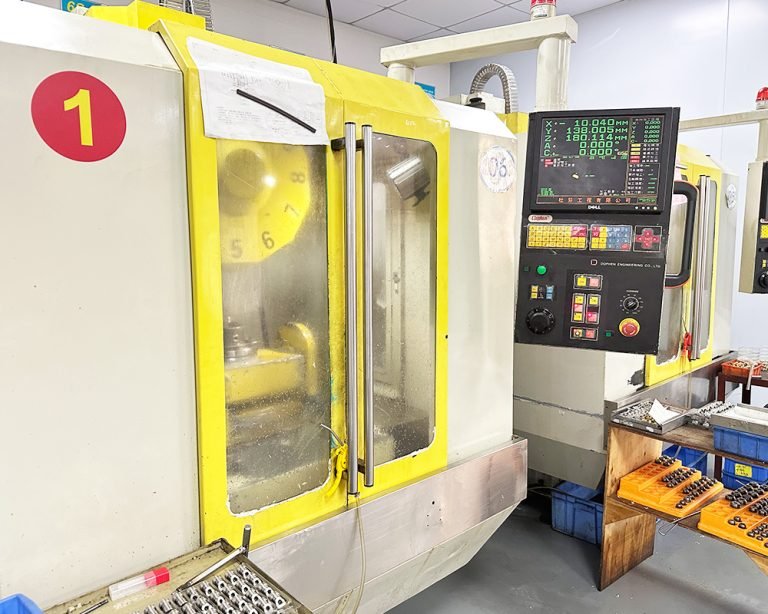
- Digital technology applications: Using CAD or CNC technology, a higher degree of precision and sophistication can be achieved in the design and manufacturing stages. Through computer simulation and optimization of the forging process, metal flow and deformation can be predicted and controlled, reducing trial and error and waste.
- Composite and dissimilar materials: With the development of new materials, the forging of composite and dissimilar materials has become a new research direction. Through free forging technology, the advantages of different materials can be combined to prepare new products with excellent performance and function.
Importance of Free Forging
- Innovation and uniqueness: Give craftsmen the space to innovate and express their individuality, enabling them to create unique and personalized metal products. This uniqueness not only enhances the artistry of the product, but also brings novel options to the market.
- Customized production: Enable products to be personalized according to the needs and design requirements of the customer. This customized production can better meet the needs of different customers and increase the diversity of products.
- High quality and precision: It requires craftsmen to possess high technical skills and strict craftsmanship requirements to ensure the high quality and precision of the products. This helps to enhance the competitiveness and credibility of the products in the market.
- Promote technological advancement: Encourage craftsmen to explore new processes, materials and manufacturing methods. This spirit of innovation promotes technological advancement and development in manufacturing.
- Enhance brand value: Unique and high quality products enhance brand value and awareness. This uniqueness and high quality help attract more customers and attention.
- Traditional craft protection and inheritance: Forging is the continuation and inheritance of traditional crafts, which requires a high degree of skill and experience. Through free forging, this traditional craft can be inherited and carried forward, training and exercising the technical level and innovation ability of the operators.
- Improvement of material utilization: It reduces waste and cost by cutting and utilizing materials precisely. In addition, it eliminates the need to make and maintain expensive molds, making it highly cost-effective in small-lot and customized production.
- Improve material properties and quality: Modify materials by heat treatment and surface treatment to improve their mechanical properties, corrosion resistance and wear resistance. It also eliminates defects and inhomogeneities within the metal, improving the quality and life of the product.
Limitations of Free Forging
- Cost and time consumption: It usually requires more manpower and time to complete, especially for complex, customized products. This can lead to increased manufacturing costs and longer production lead times.
- High skill requirements: It requires a high level of technical skill and experience from the craftsman, which requires a long period of training and practice. This skill is not easily and quickly mastered, limiting the number and skill level of craftsmen.
- Limited by shape and size: While the technique is applicable to a wide range of metal materials and workpiece shapes, certain complex and large workpieces may not be possible. In addition, free forging has limitations for thin-walled and small workpieces.
- Low repeatability: Often involves complex manufacturing processes and manual operations, which can result in a less repeatable product that is difficult to duplicate exactly the same product.
- Design constraints: Although free forging emphasizes design freedom, it is sometimes limited by material properties and manufacturing processes, which may affect the realization of certain designs.
- Environmental impact: The forging process involves high temperatures and energy consumption, which may have some impact on the environment. In addition, scrap disposal and material selection may also affect environmental sustainability.
Development Trend of Free Forging
- Integration of digital technology: With the progress of digital technology, it gradually integrates CAD, CNC machining and other digital technologies. The application of these technologies improves the accuracy of design and the efficiency of manufacturing.
- Advanced material application: With the development of material science, it is beginning to experiment with more kinds of metal alloys, composites and high-performance materials to enhance the performance and functionality of products.
- Intelligent manufacturing: Factories are increasingly moving towards intelligent production. The use of sensors, automated equipment and data analytics is expected to improve productivity, quality control and resource utilization efficiency.
- Sustainability: Increased environmental awareness has led free forging to focus on reducing resource waste, energy consumption and environmental impact. Practices such as choosing recyclable materials, optimizing production processes and adopting clean energy are expected to become trends.
- Demand for customization and personalization: As consumer demand for customized and personalized products increases, craftsmen are able to create unique products based on the specific needs of their customers.
- Integration of art and technology: With an emphasis on artistry and creativity, free forging is likely to focus more on the integration of art and technology in the future. For example, more complex and unique forms are created through digital art design and 3D printing technology.
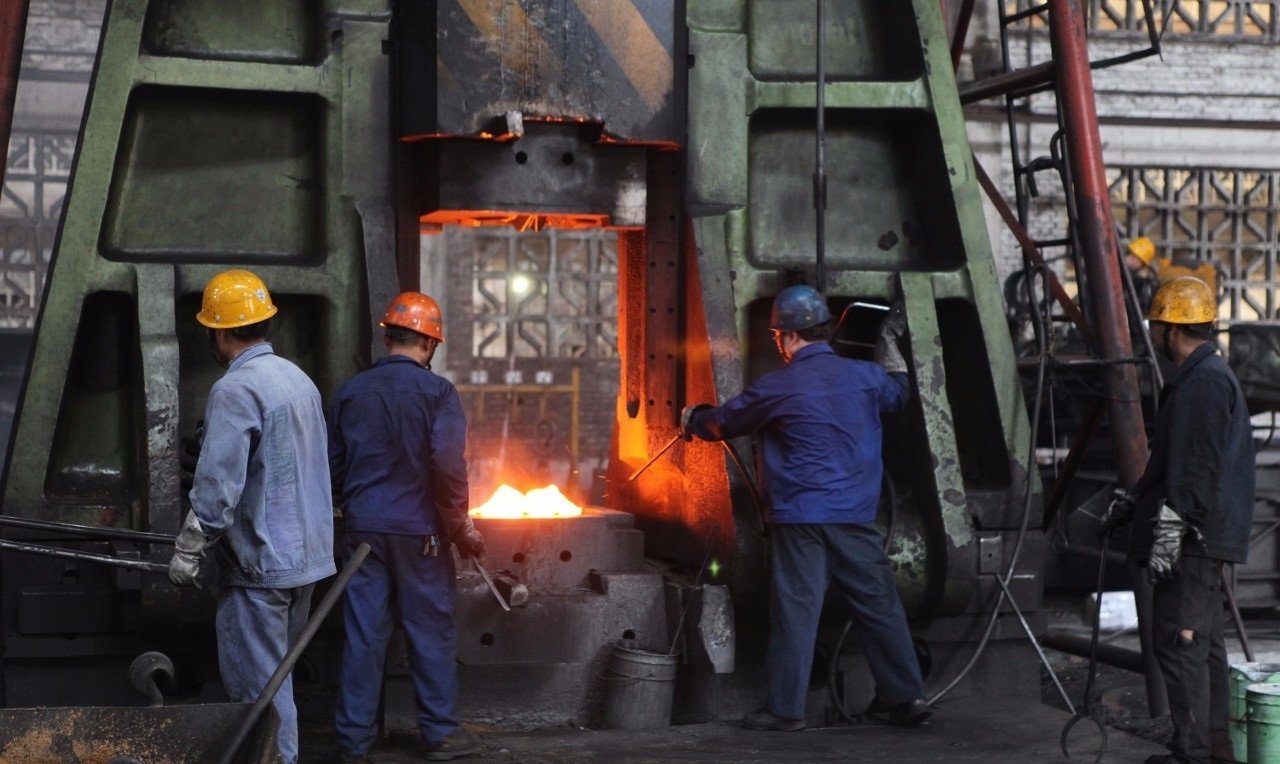
Applications of Free Forging
- Artistic sculptures: Artists use forging technology to create various unique, abstract or figurative sculptures that express the creativity and emotion of the artist through the texture and shape of the metal.
- Customized home accessories: Customized home accessories such as unique lamps, furniture and decorations. These products are not only practical, but also show personalization and artistry.
- Industrial components: For the production of various industrial components, especially those requiring high strength and special shapes. This includes airplane engine parts, automobile parts, etc.
- Swords and weapons: Traditional weapons production often utilizes free-forging techniques to create strong, durable and unique swords or weapons. These products are both functional and highly artistic in form.
- Architectural and decorative elements: Used to create decorative elements in architectural structures, such as railings, handrails, doors and windows. These elements add to the beauty of the building and demonstrate the uniqueness of the forging process.
- Customized artwork: Artists and designers use free forging techniques to create customized artwork, including sculptures, installations, furniture, and more. These artifacts often have unique shapes and artistry.
- Agricultural and gardening tools: Available for making different kinds of agricultural and gardening tools such as hoes, shovels, scissors, and so on. These tools are sturdy and durable.
Conclusion
All in all, the importance and value of free forging, as a traditional metal fabrication process, cannot be ignored. It emphasizes the creativity and individual expression of the craftsman, which makes the product diverse in form, material and design. Although free forging has many advantages, it also has some limitations. Through continuous technological innovation, it is gradually overcoming these challenges. In the future, with the advancement of technology and the inheritance of artisan skills, free forging will continue to play its unique value and influence in modern society.
Why CYCO
- Our company has over 20 years of experience and a team of specialized technicians who are well versed in diverse forging machining techniques.
- Our engineers and operators have rich practical experience and professional knowledge to provide customized solutions and high quality products.
- Our products offer high precision, great strength, excellent abrasion resistance and long service life to meet the requirements of our customers in terms of performance and reliability.
- We are equipped with advanced equipments, tools, and CNC technology, which can improve productivity, reduce cost, error and waste.
- We emphasize on communication and cooperation with our customers and provide a comprehensive pre-sale, in-sale and after-sale service.