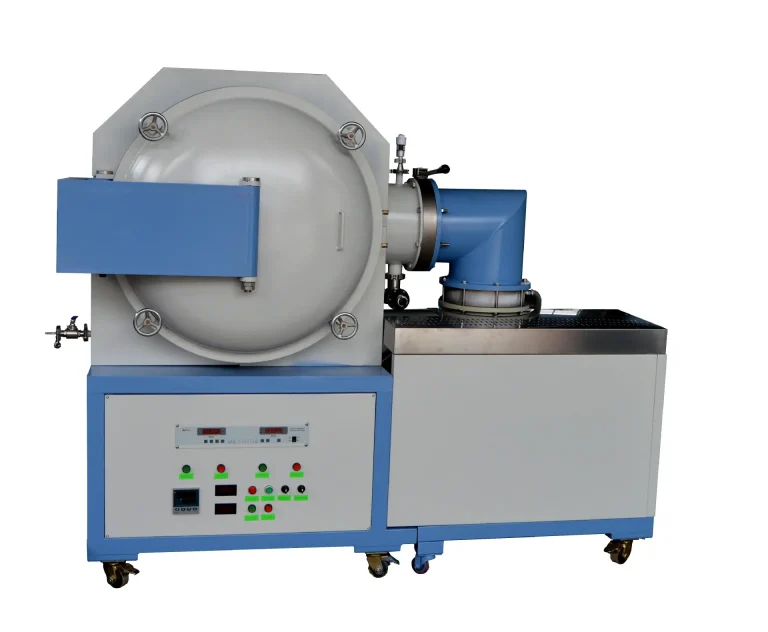
Anodic oxidation creates a layer of oxide on a metal part, which helps to improve the quality and aesthetics of the metal part. It is applicable to various materials, but one of the most important and commonly used is aluminum.
What is anodic oxidation?
A workpiece of metal or alloy is used as an anode to harden and protect the metal by forming a thin film of oxide on its surface by electrolysis.
This process creates a more durable and corrosion-resistant oxide on the surface of aluminum, which provides corrosion protection for aluminum parts.
Additionally, anodic oxidation can be used to change the color of aluminum, giving it a unique finish that is both durable and stylish.
How does anodic oxidation work?
Aluminum parts can be anodized regardless of the manufacturing method used. Anodic oxidation is a cost-effective and simple method, which is why it is widely used in diverse industries.
Before understanding how anodic oxidation works, we need to understand the selection of materials for anodic oxidation and the preparations that need to be made before anodic oxidation.
Materials suitable for anodic oxidation
Anodic oxidation is an electrochemical process that provides a durable, decorative and corrosion-protected metal surface. Aluminum is suitable for conductive materials and is one of the most suitable materials for anodic oxidation. Some other non-ferrous metals can also be anodized, such as titanium and magnesium.
The anodic oxidation is not suitable for stainless steel and steel due to the formation of rust, while aluminum contains a natural oxide layer.
Surface treatment before anodic oxidation
- Use mechanical finishing techniques if necessary. Etching is not sufficient to correct pre-existing surface defects such as scratches and dents. If these marks are evident on the surface of the part, mechanical finishing techniques such as grinding, polishing and sandblasting may be used.
- Pay attention to packaging. Before anodizing parts, make sure they are packaged well to prevent dents. In addition, avoid applying tape directly to the surface to be anodized.
- Make sure parts are properly cleaned and degreased. Look out for uncleaned chips in blind holes, fingerprints on the surface (avoid handling the part with bare hands), and residual oils from the manufacturing process.
- Remove steel inserts such as rivets and pins from parts to be anodized, as they will corrode in different processes.
How to anodize aluminum parts
The working principle is to induce oxidation of aluminum by immersing it in a conductive acidic electrolyte solution that releases oxygen ions.

4 main steps are involved:
Step 1: Pre-treatment
This includes achieving a visible finish and clean working parts.
Cleaning: Important for removing residual grease and other contaminants from previous manufacturing processes such as extrusion or CNC aluminum machining to avoid contaminants and inconsistencies in the finished part.
Etching: The surface finish of the part will determine the quality of the final result. The desired surface finish can be adjusted by etching to correct minor surface imperfections while preparing the part for anodizing.
Step 2: Anodizing Process
Once the surface is prepared, the part is immersed in an electrolyte. The electrolyte contains many positive and negative ions and is a conductive solution.
At the same time, a cathode is installed in the tank to allow current to actively flow through the system and induce the release of oxygen ions from the electrolytic solution.
This process will produce aluminum oxide, also known as a barrier layer, because it is rougher than the aluminum surface.
Step 3: Coloring
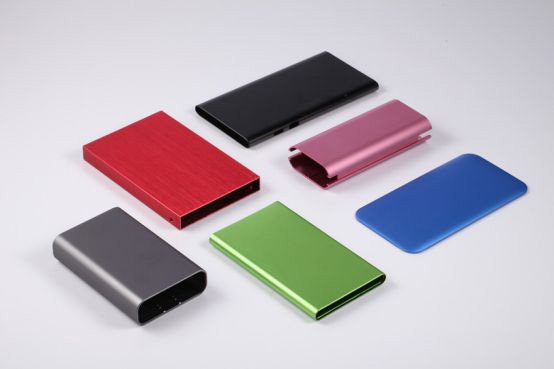
The anodic coating formed on the surface layer is a porous structure, which allows color to be added to the part. Various methods of adding color include immersion in dyes or dissolved metal salts.
Step 4: Sealing
To seal the porous surfaces created during the anodizing process and provide a uniform finish, the final step is to dip them into a nickel acetate solution.
Sealing ensures that the color lasts and prevents further corrosion of the anodized parts.
Different types of anodized aluminum processes
While most protective coatings are added to the material, in anodized aluminum, the protective coating is formed by removing positive ions from the surface of the aluminum part.
There are three main types of anodizing processes for aluminum parts that result in different finishes and appearances on products.
Chromic acid anodizing
This type uses a chromic acid solution to form a thin coating (from 0.5 to 2.5 µm) on the part.
Of the three main types, chromic acid anodizing produces the thinnest coating with the least color absorption.
Although the coating is relatively thin, it protects aluminum parts from corrosion and is an effective first coat for powder coated or painted finishes.
Sulfur acid anodizing
The most commonly used method, producing an anodized layer of 2.5 to 25 µm.
The porous quality of the process is ideal for absorbing dyes well, but is not suitable for parts with tight tolerances.
Hard anodizing
Also performed on sulfuric acid solutions. However it produces a thicker and denser layer than normal sulfuric acid anodizing, and the difference in the thickness of the hardcoat can change the surface appearance of the substrate.
Used for demanding applications requiring superior abrasion and corrosion resistance, such as medical equipment.
Benefits of anodizing
There are many advantages to anodizing parts, and here are some of the reasons why anodizing is needed:
Aesthetics
Anodized parts are more aesthetically pleasing and enhance the overall surface finish of the part.
Durability
The entire process of anodizing improves the integral corrosion and wear resistance of the part, which greatly contributes to the longevity of the working part.
Easy maintenance
The corrosion and abrasion resistance of anodized aluminum makes it very difficult to dent and wear out.
Color stability
Unlike other plating methods used in the industry, anodized parts will not peel or flake due to their construction.
Economical
Anodizing aluminum is a cost-effective way to achieve desired surface properties.
Provide improved insulating properties
The exterior anodized layer of anodized aluminum parts is insulating and has low electrical conductivity.
Design tips and considerations for anodizing
Dimensions
Compensation for anodizing thickness is required to achieve final part dimensions and specified tolerances.
Hardness
Note the application and its tensile strength requirements to understand the hardness that needs to be labeled in the part design.
Color matching
Different metals and alloys respond differently to different stains and coloring parameters.
Composite coatings
Anodized parts can also be subjected to secondary coating processes such as painting and Teflon impregnation to further enhance their corrosion resistance and structural integrity.
Electrical conductivity
Testing conductivity is an easy way to check the anodizing of aluminum parts. Anodized layers can be good insulators, and they can be coated with clear chemical conversion coatings in certain areas.
Applications of anodizing
Anodizing has completely revolutionized the aluminum manufacturing industry due to its outstanding and impressive mechanical and aesthetic properties, and it is used in a wide range of applications:

- Aerospace
- Defense industry
- Medical
- Automotive
- Electronics
- Customized parts
- Architecture
- Prototyping and product development
- Household goods
- Hydraulic parts
Conclusion
Anodizing is an important process for manufacturing products, the cost and complexity of this process varies but it ensures a better and high quality final product.
We, CYCO, have been specializing in CNC machining for over twenty years and are able to provide professional anodizing services. Our high quality workmanship, fast delivery times and competitive prices will bring you the best value.
Please feel free to contact us and work with us without hesitation.