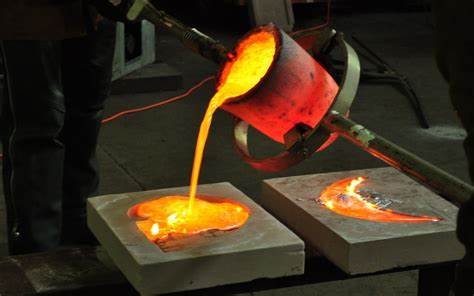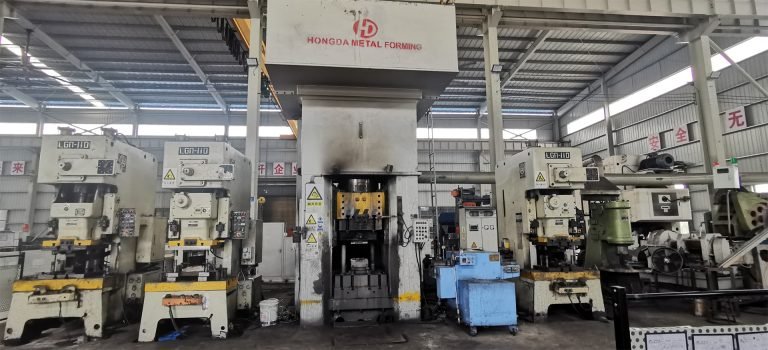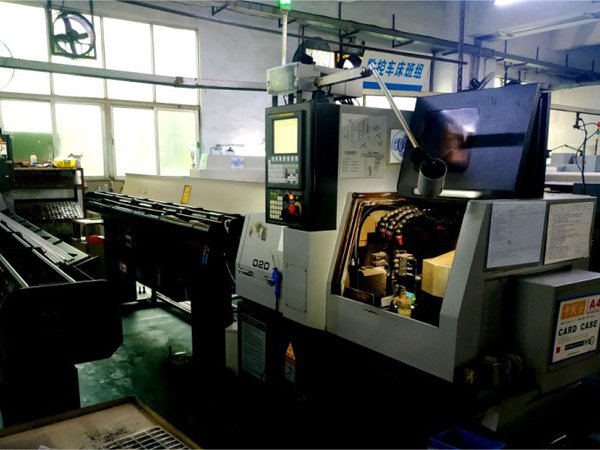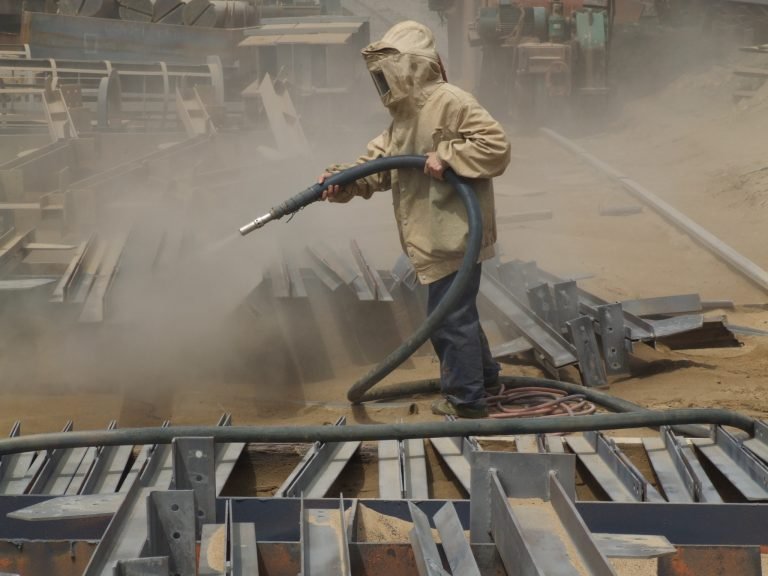
Squeeze casting, also known as liquid die forging, is an emerging metal forming process with casting characteristics and similar to die forging.
Overview of Squeeze Casting
Squeeze casting is a process combining casting and forging. A certain amount of liquid metal is poured directly into the cavity coated with lubricant, and continuously applied mechanical static pressure. The metal crystallizes and solidifies under pressure and is forced to eliminate shrinkage holes formed due to solidification contraction, i.e. the liquid metal is molded under high pressure in the machine and accompanied by a trace of plastic deformation. It combines the advantages of casting and forging to produce metal parts with high precision, high quality and excellent mechanical properties. It effectively reduces casting shrinkage defects and improves the organization density of the workpiece, as well as greatly improves the mechanical properties through heat treatment.
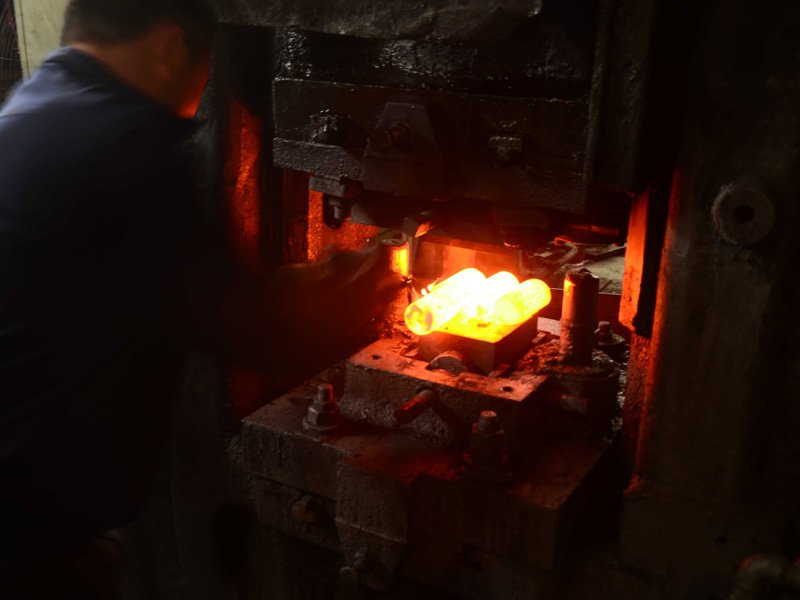
Principle of Squeeze Casting
A method of metal fabrication in which a metal billet is extruded into a desired shape through a die of an extruder. The basic principle involves plastic deformation of the material and the action of the mold.
Classification of Squeeze Casting
- Direct squeeze casting: After the liquid metal fills the mold, pressure is applied through a punch that acts directly on the liquid metal. The metal billet is directly extruded to form the desired cross-sectional shape. The process usually involves passing the metal billet through one or more extrusion molds to produce parts or components with the desired cross-section.
- Indirect squeeze casting: Unlike direct squeeze casting, its main characteristic is that the pressure is not applied directly to the metal liquid, but is transferred to it through an intermediary (e.g., a piston or plunger). The metal billet is indirectly squeezed by rollers, rods, and other auxiliary tools to eventually form the desired cross-sectional shape. Compared to direct squeezing, indirect squeezing usually involves multiple steps in which the metal billet undergoes multiple deformations during the squeezing process to achieve the final shape through successive rolling or tumbling.
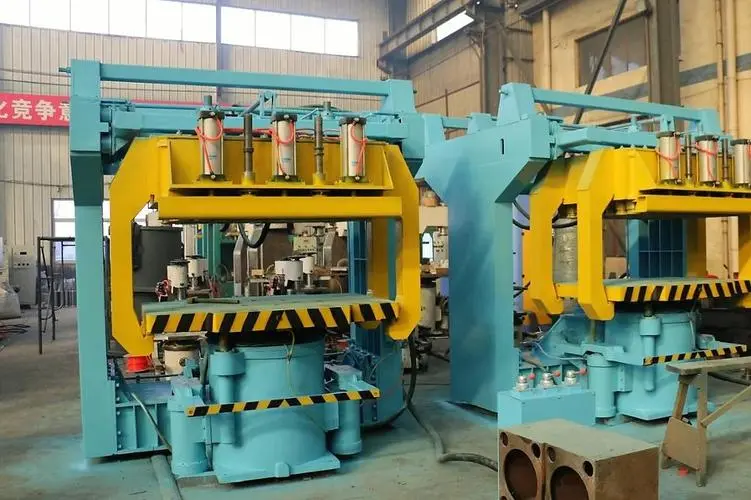
Machines for Squeeze Casting
Equipment used to perform the squeeze casting process. They are mainly used for squeezing metal billets through a mold at high pressure to form the desired cross-sectional shape. These machines are usually categorized into hydraulic extruders and mechanical extruders.
Hydraulic Extruder
- Principle of operation: The metal billet is extruded through a die by hydraulic cylinders with the use of a fluid (usually hydraulic oil) to transmit the pressure. The hydraulic system can provide high precision and adjustable pressure.
- Applications: Widely used in the production of various profiles, tubes, aluminum alloy components, especially suitable for the high requirements of extrusion pressure.
- Characteristics: Continuous squeezing can be realized with a large pressure range. Suitable for different types and sizes of metal materials.
Mechanical Extruder
- Principle of operation: High pressure is generated through a mechanical drive system to extrude the metal billet through a die. These machines are usually driven by crank mechanism and cam mechanism.
- Applications: Suitable for some products with low extrusion pressure requirements and relatively simple shapes, also commonly used in mass production.
- Characteristics: Relatively simple in operation, but usually have some limitations on the range of squeezing pressures and may require more frequent maintenance.
Components of a Squeeze Casting Machine
- Pressure system: The core system that generates and transmits the squeezing force, usually a hydraulic system or a mechanical drive system.
- Mold: The key part used to form the shape of the final product, usually made of highly wear-resistant materials.
- Feed system: The system that guides the metal billet into the extruder, ensuring that the billet is subjected to uniform pressure during the extrusion process.
- Cooling system: Used to cool and solidify the metal section after extrusion to ensure stability of the final product.
- Control system: Monitor and adjust the parameters of the extrusion process to ensure quality and consistency of the product.
Characteristics of Squeeze Casting
- Unsolidified metal liquid in the isostatic pressure under the action of crystallization and solidification. Solidified metal layer under pressure plastic deformation, with hot deformation of the organization, fine grain size and uniform organization. At the same time, the pressure makes the outer side of the workpiece close to the inner wall of the mold, so that the shape of the workpiece size is accurate.
- The crystalline solidification layer has to consume some energy to produce plastic deformation. The isostatic pressure experienced by the liquid metal is not a constant value, it decreases with the thickening of the solidification layer.
- Compared with ordinary hot die forging, the fluidity of the liquid metal is much greater than the solid metal. This fills the mold cavities very well.
- Density, mechanical properties are basically equivalent to die forging parts.
Steps of Squeeze Casting
Mold Preparation
Design and prepare molds for extrusion, usually made of high-strength, wear-resistant materials.
- Clean the mold to ensure that the inside of the mold is clean and free of residue and impurities.
- Spray special coatings on the inside of the die to reduce the friction between the metal and the die, improving the surface quality of the castings and the life of the die.
- Preheat the mold to reduce the temperature difference when metal is injected to prevent cracks and deformation of the castings.
Metal Material Preparation
- Select suitable metal or alloy materials for melting to achieve the desired liquid or semi-solid state.
- Degas and deslag the molten metal to improve its purity and fluidity.
Injection
- Rapid and accurate injection of pre-treated liquid metal into preheated mold cavities.
- Injection methods include gravity pouring, low-pressure pouring or high-pressure injection, depending on the shape and size of the casting.
Extrusion
- High pressure is applied to the metal inside the mold before the metal has fully solidified. The pressure range is usually 50 to 100 MPa.
- This can be accomplished hydraulically or mechanically by forcing the metal to flow under pressure and fill the cavity.
Solidification
- Under high pressure, the metal is not only shaped, but solidifies and deforms plastically at the same time.
- This process results in castings with a fine, uniform grain structure and good densification, which improves their mechanical properties.
Cooling
- During the cooling process of the casting, a certain high pressure is maintained to promote further metal flow and tissue refinement.
- The cooling rate and sequence of the castings are controlled through the cooling system of the mold to ensure uniform cooling and solidification.
Demolding and Cleaning
- When the casting is completely cooled and has reached sufficient strength, release the mold pressure and open the mold to remove the casting.
- Clean up any residue and paint inside the mold.
Post-treatment
- Depending on the needs, the castings may require some post-treatment operations, such as cutting, heat treatment, surface treatment, to meet the design requirements and performance standards.
Material Selection for Squeeze Casting
- Aluminum alloys: Good plasticity and thermal conductivity, light weight, strong corrosion resistance, suitable for the production of various profiles, tubes and components. Aluminum alloy has broad range of choices to meet the requirements of different strength and corrosion resistance.
- Copper alloys: Excellent electrical and thermal conductivity, as well as corrosion resistance. Typically used in applications requiring high electrical conductivity, such as electrical components and electronics.
- Magnesium alloys: Very low density and good mechanical properties for applications requiring light weight, such as automotive components.
- Zinc alloys: Better corrosion resistance, usually used in the production of small parts and decorative components.
- Stainless steel: Excellent corrosion resistance and favorable mechanical properties for applications requiring high strength and corrosion resistance, such as building structures and food processing equipment.
- Titanium alloys: High strength, low density and good corrosion resistance for applications requiring lightweight and high temperature performance, such as aerospace and medical devices.
- Ferro alloys: Typically used in applications requiring high strength and wear resistance, such as mechanical components.
- Alloy steels: good mechanical properties and wear resistance, suitable for some applications requiring high strength and wear resistance, such as automotive parts and construction machinery.
Pros and Cons of Squeeze Casting
Pros
- High productivity: can produce a large number of similarly shaped products in a short period of time, suitable for mass production.
- Superior molding accuracy: metal flows and solidifies under high pressure, which helps eliminate casting defects such as porosity, shrinkage and porosity. This usually provides highly accurate shapes and sizes, resulting in a final product with good geometric accuracy.
- Favorable material utilization: liquid metals or alloys are better able to fill mold cavities under high pressure. The absence of risers and sprues, which are extras required in conventional casting, enables more efficient use of raw materials and reduces scrap generation.
- Strong adaptability: squeeze casting can be used to process a variety of metals, such as aluminum alloys, copper alloys, magnesium alloys, making it highly versatile. In addition, the process is also suitable for manufacturing complex shapes and large parts.
- Energy saving: since squeeze casting is able to obtain parts close to the final shape in a single molding process, subsequent machining and scrap generation are reduced.
- Good surface quality: as the metal flows under high pressure, the surface finish of the casting is usually high, reducing subsequent surface treatment work.
- Even internal organization: the flow of metal under pressure makes the internal organization of the castings more uniform, which improves the consistency of the overall performance.
- Excellent mechanical properties: plastic deformation occurs as the metal flows under pressure and solidifies, refining the grain structure of the casting. This results in mechanical properties close to those of forged products, such as high strength, high hardness and high toughness.
Cons
- High cost of equipment and molds: makes the initial investment higher, especially for small-scale production.
- Difficulty with complex shapes: for products with complex internal structures, squeeze casting may not be easily realized.
- Restricted to cross-sectional shapes: usually applicable to products with uniform cross-sectional shapes. For products with highly variable cross-sectional shapes, multiple extrusions or other processes may be required.
- Subsequent heat treatment: some metals may experience high temperatures during the extrusion process, which may have some effect on their structure and properties and may require subsequent heat treatment steps.
- Unsuitable for small production runs: due to the high cost of equipment and molds for squeeze casting, it is usually more suitable for mass production and may be less economical for small production runs.
- Limited mold life: because of the high pressures and temperatures to which the molds are subjected during the casting process, the molds are subjected to high levels of wear and fatigue, which may limit the life and productivity of the molds.
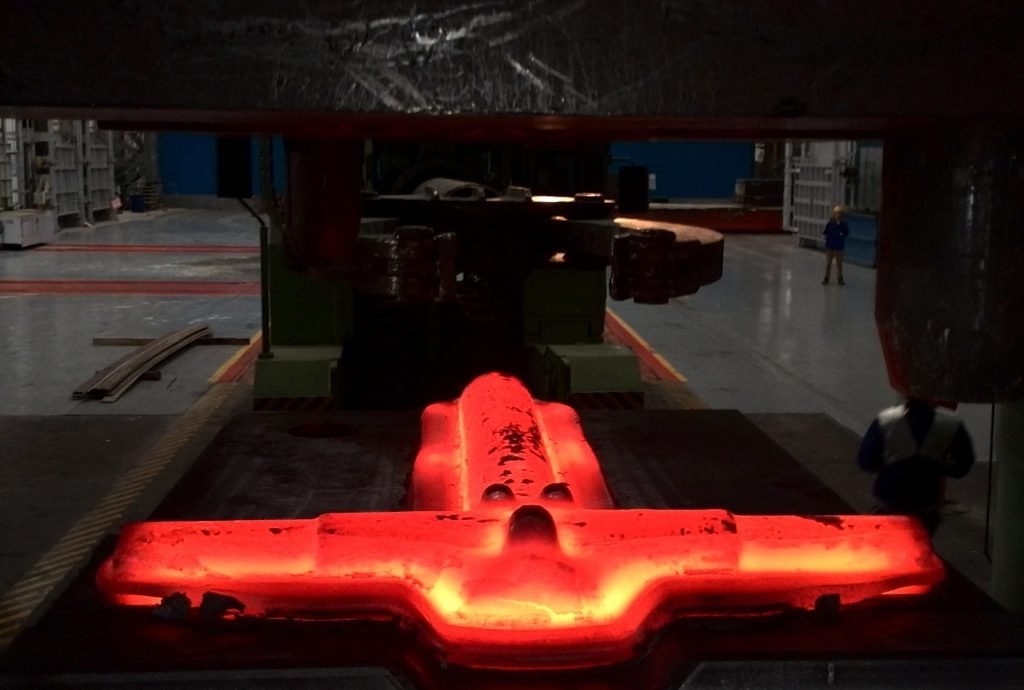
Applications of Squeeze Casting
- Automotive: produce automotive components such as body structures, doors, window frames, seat tracks. Squeeze casting can provide highly accurate shapes and lightweight solutions that help improve the fuel efficiency of automobiles.
- Building and structural engineering: for the production of various profiles such as aluminum window frames, door frames, beams, and columns. These products offer a high degree of corrosion resistance and strength, as well as low weight, making them ideal for building structures.
- Electronic and electrical: parts such as housings, heat sinks, and rails for electronic equipment and electrical components are manufactured. These components require excellent electrical conductivity and mechanical properties.
- Aerospace: used to manufacture various structural components such as airplane wings, fuselage structures, and engine parts. These components often have requirements for complex shapes, light weight and high strength.
- Rail transportation: applied to rail transportation systems, such as the manufacture of structural components, body frames, and seats for trains and subway cars. The use of lightweight materials contributes to transportation efficiency.
- Energy: manufacture of brackets for solar modules, structural components for wind power generation equipment, and heat sinks for various energy devices.
- Medical equipment: components for medical equipment and instruments, such as housings for X-ray equipment and components for surgical instruments.
- Consumer electronics: shells and structural components for electronic products such as laptops, tablets, cell phones, and others.
- Sports equipment: also used in the production of sports equipment, such as bicycle frames, skis, golf clubs. These devices require light weight, high strength and precise dimensional control.
Conclusion
As an advanced metal forming process that combines the advantages of casting and forging, squeeze casting has demonstrated its value for a wide range of applications in several industrial fields. The process produces parts with high precision, high quality and excellent mechanical properties by applying high pressure to make the liquid metal flow and solidify inside the mold.
Although squeeze casting presents challenges such as large equipment investments and difficulties in mold design and manufacturing. Its unique advantages, such as high material utilization, strong adaptability and good surface quality, have made it popular in the automotive manufacturing, aerospace, power equipment, and machinery industries.
With the advancement of science and technology along with the changes in market demand, the research and innovation of squeeze casting technology is also deepening. Future trends are likely to focus on improving mold life, developing new materials and equipment, as well as achieving more environmentally friendly and sustainable production methods.
Overall, squeeze casting, as an important metal forming process, will continue to play a key role in advancing manufacturing and meeting the demand for high-performance parts. Through continuous technological improvements, squeeze casting is expected to bring more technological innovations and industrial changes in the future.
CYCO is a service provider specializing in precision casting machining, if you need casting service in your project, please feel free to contact us!