What is Plastic Injection Molding?
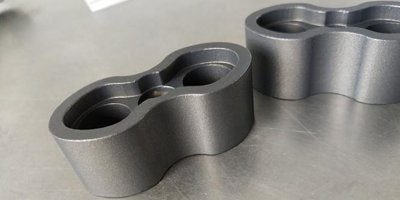
Injection molding is a molding process in which molten plastic is injected into a mold to produce parts. After cooling and hardening, the product takes on the shape of the mold. Injection molding is one of the most important processes for the mass production of thermoplastic objects and usually requires no additional finishing.
Product consistency is a major issue in the mass production of parts. Today, most injection molding machines are universal and can accept all types of molds within limits. The economy of the process is very effective for objects with complex geometries, making the process advantageous over other techniques.
How Does Plastic Injection Molding Work?
The following are the key steps in how it works:
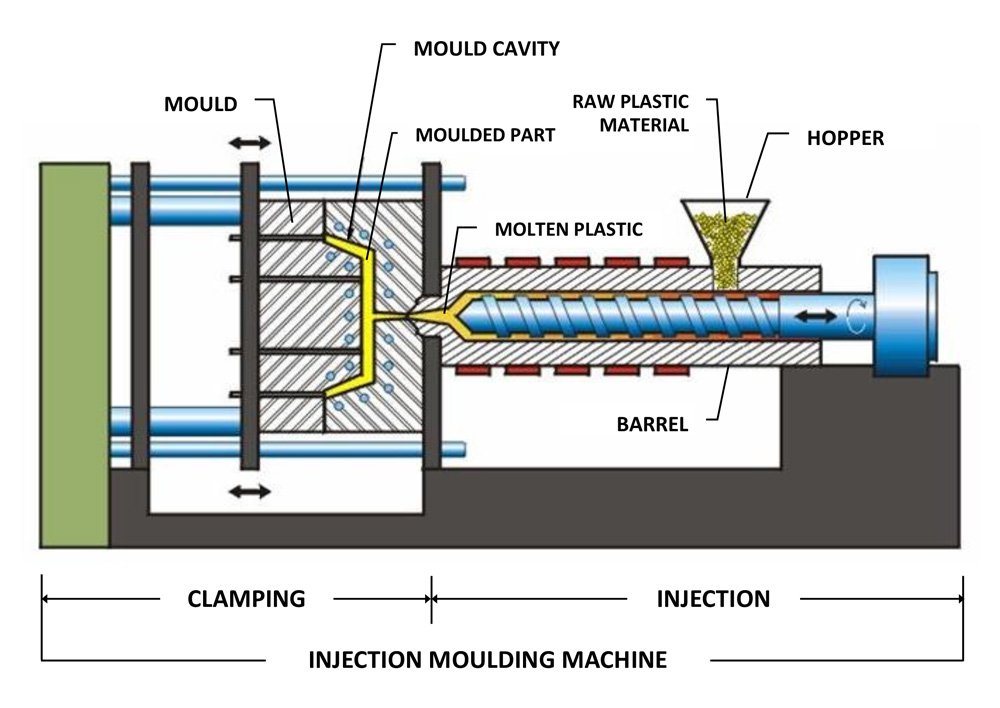
- Step 1 Clamping. The two halves of the mold are held together to prevent them from being separated due to the tremendous pressure generated by the injection of molten material.
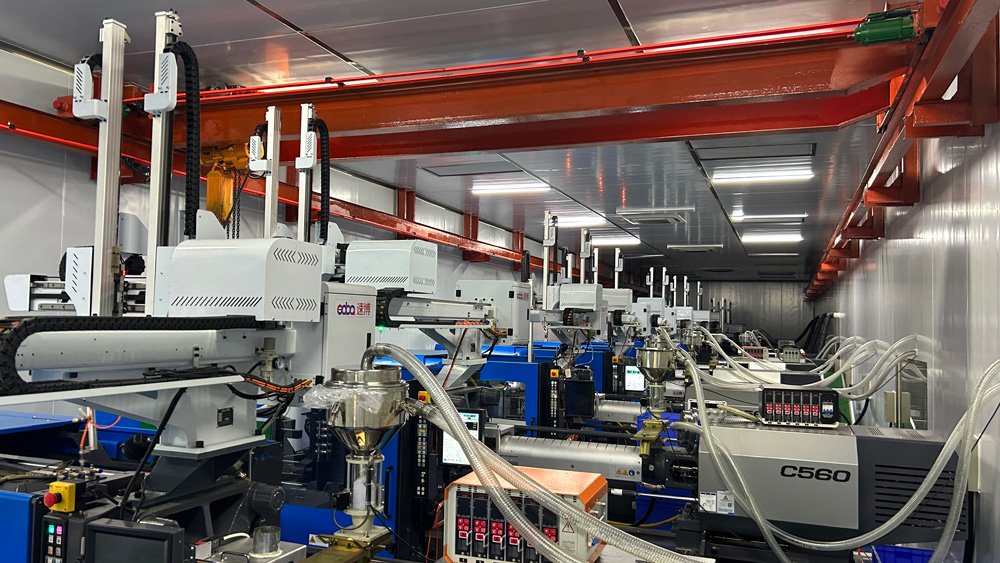
- Step 2 Melting. The melted plastic pellets are put into the hopper of the machine, after entering the barrel, the rotating screw liquefies the plastic by utilizing heat and friction.
- Step 3 Injection. The most important step. Any mistake can affect the quality of the final part. In this stage, molten plastic is injected into the mold at a uniform speed under high pressure. The pressure is applied to ensure that the plastic has filled all parts of the mold.
- Step 4 Cooling. Once in the mold, the plastic cools and solidifies to form the final plastic part. Since plastics are generally poor heat conductors, the cooling stage may be time-consuming.
- Step 5 Ejection. After cooling sufficiently, open the mold and remove the plastic part with the built-in ejector pin of the mold. Then close the mold and restart the processing of the next part.
- Step 5 Post-processing. Includes twisting or cutting any physical defects, or applying a surface finish to make the part more shiny.
In general, plastic injection molding is an automated process that involves little human labor, except for supervision.
What are Plastic Injection Molding Materials?
The top three injection molded plastics in terms of cost and toughness are polycarbonate (PC), polypropylene (PP) and nylon (PA). They have strong mechanical properties and are economical.
- Polycarbonate (PC): high impact strength, steam resistance, chemical resistance and abrasion resistance.
- Polypropylene (PP): a good electrical insulator, highly resistant to chemicals and moisture, very strong.
- Nylon (PA): high melting point and very tough, but brittle. It shrinks quickly and molds may not fill correctly.
- Polyethylene (PE): it is categorized into high-density polyethylene (HDPE) and low-density polyethylene (LDPE). HDPE is more suitable for injection molding because the heating and cooling process does not change its properties.
- Polyoxymethylene (POM): a semi-crystalline polymer with good molding properties and the molded product has excellent dimensional stability and high tensile strength.
- Acrylic (PMMA): transparent and lightweight with low mold shrinkage, an excellent alternative to glass, but can spontaneously combust at extreme temperatures.
Other commonly used plastic materials:
- Acrylonitrile Butadiene Styrene (ABS)
- Polystyrene (PS)
- Thermoplastic Elastomer (TPE)
- Thermoplastic Polyurethane (TPU)
- …
What are the Strengths and Weaknesses of Plastic Injection Molding?
Strengths
The benefits of plastic injection molding include uniformity, cost reduction, and rapid high-volume production. Additionally, injection-molded parts offer excellent stability and their scrap can be recycled, helping to eliminate waste.
- Provide uniformity: parts made from the same mold ensure that the parts remain the same size without extra cost. The tolerance of the parts can be as close as +/-0.125 mm (0.005 inch).
- Complex shapes and geometries: injection molding offers the freedom to make custom parts, which allows it to make parts with complex shapes and designs.
- Lower costs: the more parts you produce, the less it costs per part, and it can produce hundreds or thousands of parts a day. Once the equipment and materials are set up, there are virtually no labor or time costs with this manufacturing method.
- Increase production speed: injection molding requires only the injection of material and cooling time to create the part; some types of parts do require secondary processing (depending on their application).
- Material flexibility: thousands of plastics and additives can be used, making it easier to find plastics with the desired properties.
- Material recyclability: the injection molding process produces very little plastic waste, and the waste can be reused, which reduces waste and the need to buy more material. Another benefit is that recycled waste can be used to make another batch of product.
- Low labor costs: mainly run by machines, labor costs are limited to supervision, quality checks and other tasks.
- …
Weaknesses
The drawbacks of injection molding include the high price of individual prototypes or small production runs in most cases, as well as the lack of design flexibility once a mold has been created.
- High mold costs: the molds need to be tested and retested before production can begin, with expensive and time-consuming mold design and prototyping phases. However, for mass production, costs are reduced.
- Not suited for small production runs: molds, fixtures and other equipment are expensive to manufacture. Setting up the mold and purchasing the plastic also incurs costs. Small production runs mean that molds need to be designed for different parts, which increases costs and time.
- Lack of design flexibility: once a mold is created, it is difficult or impossible to make changes. Any major design changes must use a new mold, so it is important to ensure the design of the first mold.
What are the Purposes of Plastic Injection Molding?
Injection molded parts are lightweight and safe that can be used in all industries, and you can find plastic parts in all industries from light to heavy.
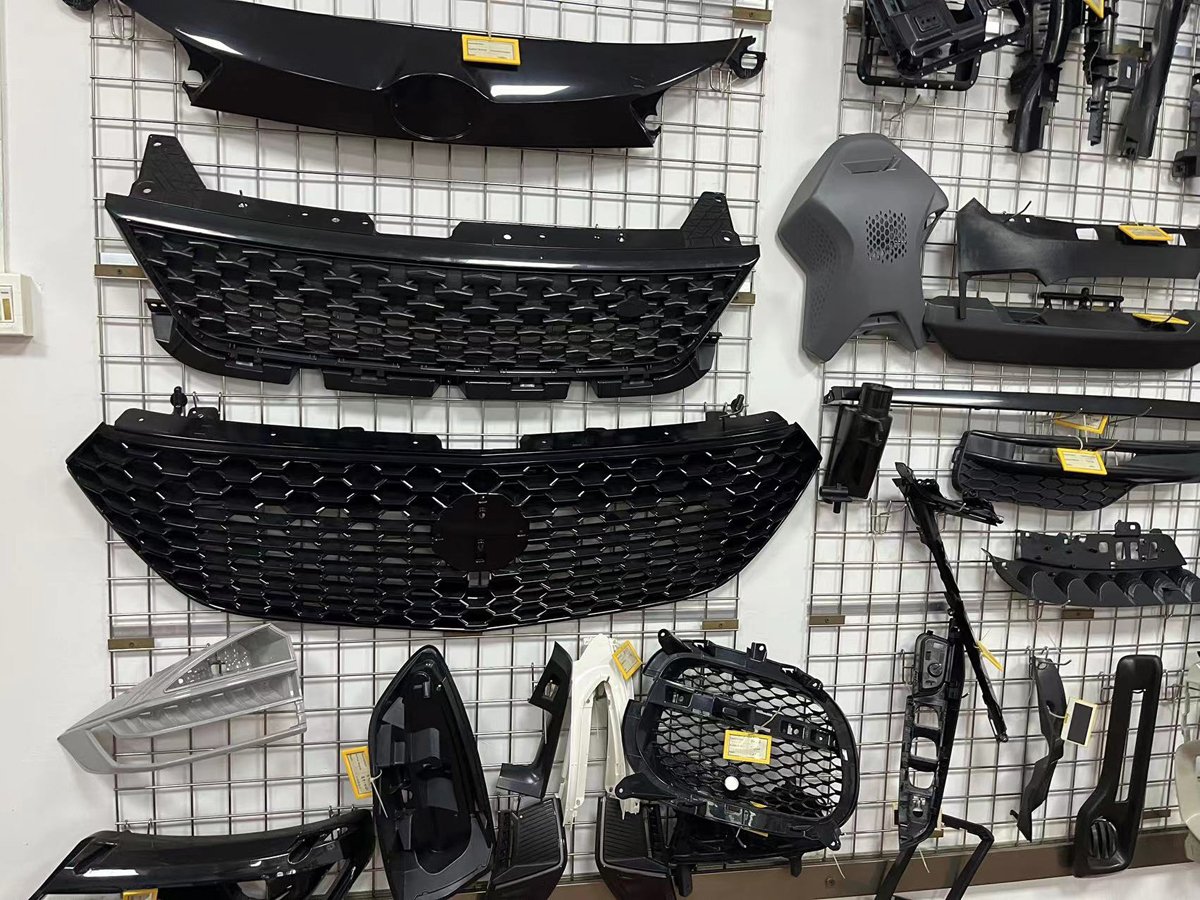
- Automotive: because vehicles may be subjected to various climates and operating conditions, automotive companies will use materials with chemical and temperature resistance. Injection-molded plastic parts can improve the safety, performance and fuel efficiency of a vehicle, so automotive parts manufacturers will primarily use injection molding for plastic fuel tanks, bumpers and door panels.
- Medical: some injection-molded parts are biocompatible and have good optical transparency. Furthermore, plastic parts allow for single-use because of low production costs and safety, and are widely used in the manufacture of sterile gloves, intravenous tubes and urine bags. Medical companies often use plastics that do not absorb moisture because they can be sterilized by steam, radiation or gas.
- Food packaging: plastics are slowly replacing traditional food packaging materials because they are cheaper, safer and lighter. Most plastics can tolerate chemicals and hot or cold environmental conditions, which protects food or drink from odors and moisture.
- Aerospace: Lightweight and requiring little maintenance, it has been used to make interior and exterior components for aerospace products.PEEK is the most commonly used plastic material by aerospace manufacturers because it can withstand ultraviolet and solar rays as well as handle the various temperatures of aircraft. It is commonly used to make products such as turbine blades and housings, pump gears and valve seats.
- Electronics and electrical: plastics are poor conductors of heat and electricity, and they also reduce the risk of burns and electrocution. Injection molding plays a vital role in the components of electronic products and is used in a wide range of applications such as household goods, fuse boxes, and telecommunication equipment.
Conclusion
Plastic injection molding is a reliable, efficient, and relatively cost-effective method of creating plastic parts for a variety of applications, and it offers several advantages to the manufacturing industry. While this technology may sound simple, there are still many things that need to be taken care of or it may result in a defective product.
Why CYCO
Working with CYCO is your best choice for superior quality. With over twenty years of experience, CYCO is capable of guiding you through the entire process from material selection to mold design and part creation.
In addition, CYCO offers DFM assistance to identify any issues with your design. You will have time to make the necessary adjustments to save money before production begins.
Regardless of production volume, CYCO offers outstanding solutions to meet your needs.
Feel free to contact us now!